💧 How Often Do I Need to Water My Cathedral Window Haworthia?
Haworthia cymbiformis
By the Greg Editorial Team
Jun 18, 2024•4 min read
This article was created with the help of AI so we can cover more plants for you. May contain errors. See one? Report it here.
Nurture your Cathedral Window Haworthia to perfection 🌵 with the ultimate watering schedule guide.
- 🌵 Look for wrinkled leaves to know when your Haworthia is thirsty.
- Soak and dry method ensures proper hydration without overwatering.
- Adjust watering with seasons, more in summer, less in winter.
When to Water: Reading Your Plant's Thirst
💧 The Telltale Signs of Thirst
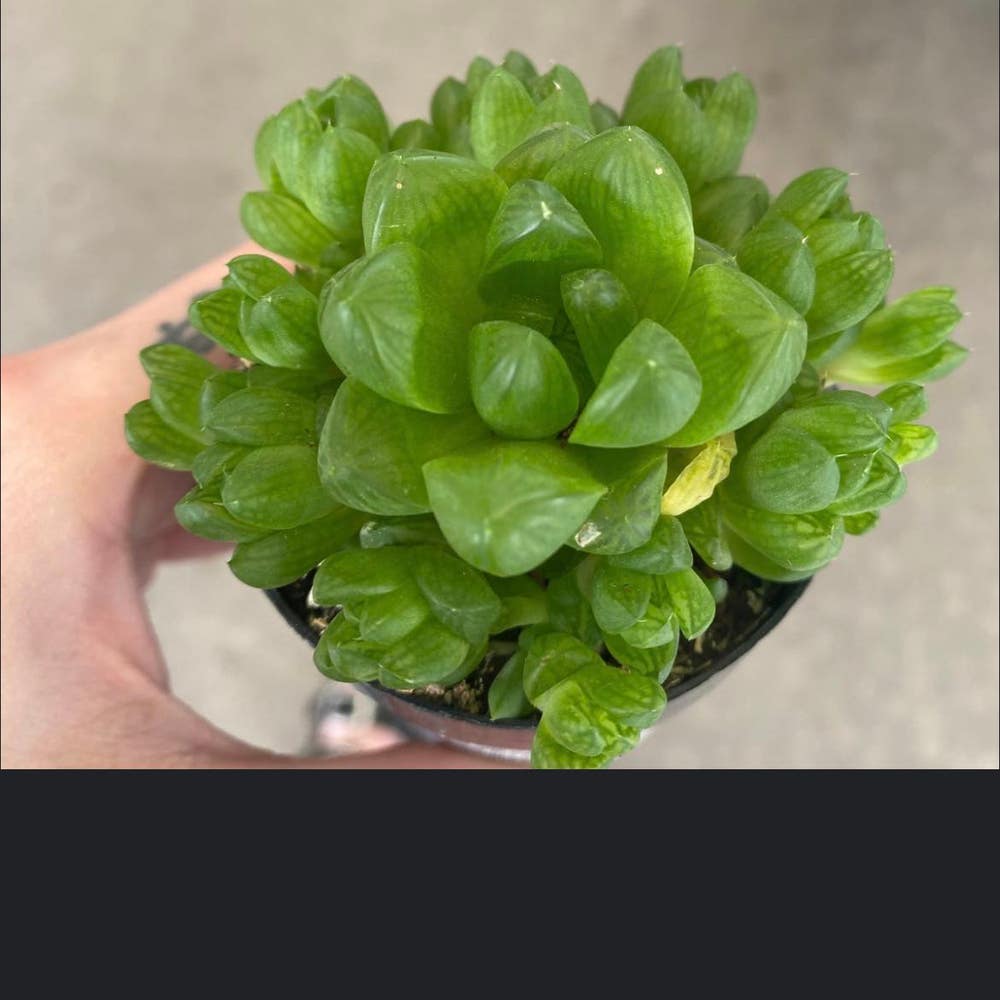
Your Cathedral Window Haworthia is a silent communicator. When its leaves start to look a little less plump and a tad wrinkled, it's discreetly asking for a drink. Leaf firmness is your cue; a thirsty Haworthia will have leaves that give in to a gentle squeeze.
💦 The Dangers of Overindulgence
Overwatering is the succulent slayer. Yellowing leaves or a stem with the consistency of an overripe peach scream that you've been too generous. Root rot and pests love a soggy environment, so if you're feeling the guilt of overwatering, it's time to ease up on the hydration.
🌊 The Perfect Balance
Striking the goldilocks zone for watering isn't rocket science, but it does require attention. The soil's top inch should feel like a dry summer day before you consider reaching for the watering can. And remember, your touch is a powerful tool—2-3 inches of dry soil is your green light to water.

Factors That Affect Your Watering Schedule
🌧️ Seasonal Shifts
Seasons dictate your Cathedral Window Haworthia's thirst. In the summer's heat, expect to water more. Winter calls for a hands-off approach, as your succulent sips slowly during its dormant phase.
🏠 Home Environment Variables
Indoor climates aren't one-size-fits-all. A warm room might mean reaching for the watering can more often, while a cooler, humid space tells you to hold back. Your plant's hydration needs are as dynamic as your indoor weather.
🌱 Pot Size and Soil Type
Pot size matters. Small pots dry out faster, demanding more frequent watering. Large pots retain moisture longer, easing your watering duties. Soil type is crucial too; sandy soils drain quickly, clay holds moisture. Choose wisely to set the stage for your watering rhythm.

Watering Techniques for the Cathedral Window Haworthia
💦 The Soak and Dry Method
Watering your Cathedral Window Haworthia isn't a daily chore—it's an event. Like a desert storm, the soak and dry method is all about drenching your plant's soil, then giving it a break to bone-dry. This isn't a light sprinkle; you're going for a full-on monsoon in a pot. Wait until the soil is completely dry before unleashing the deluge again. It's a cycle that mimics their natural habitat, and your Haworthia's roots will thank you by gripping the earth with vigor.
🌱 Pot and Soil Wisdom
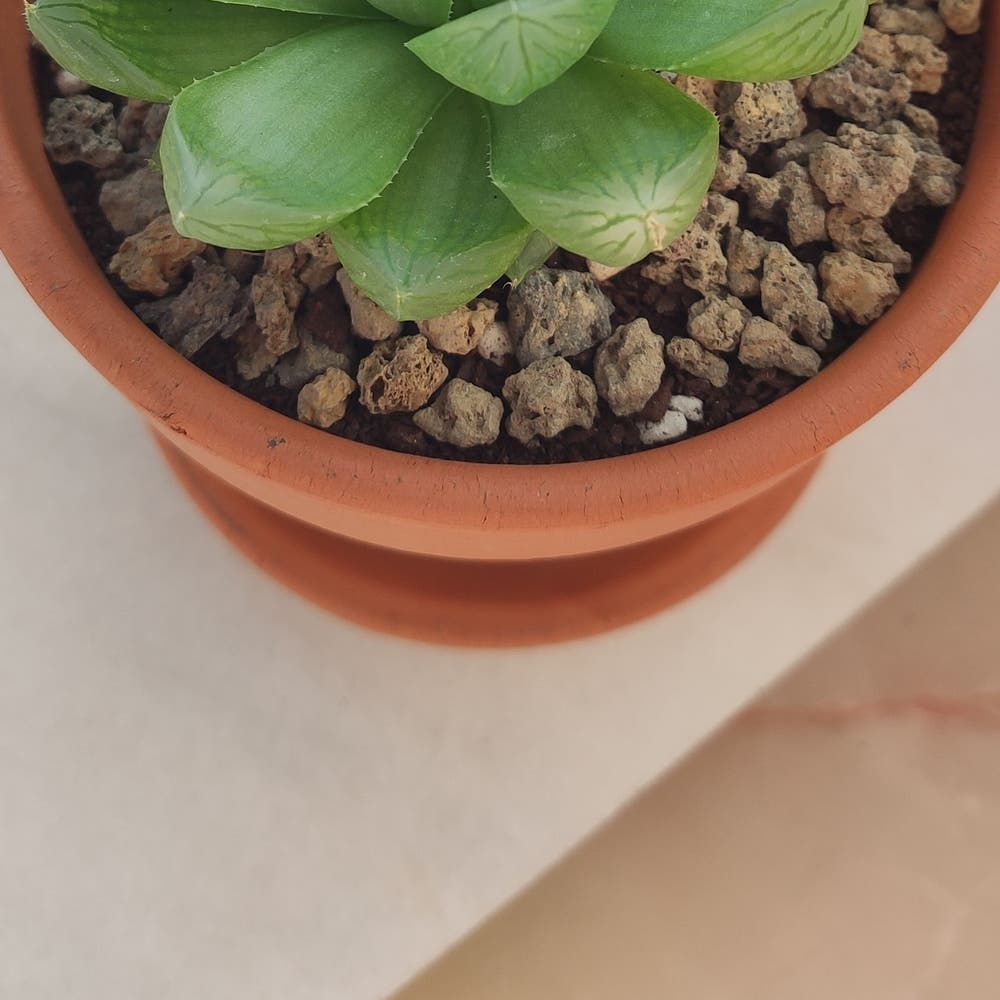
Choosing the right pot and soil for your Cathedral Window Haworthia is like picking a sidekick for a superhero—they've got to be complementary. A pot that's too big will hold excess moisture, which is kryptonite for your succulent. Go for a snug fit, and make sure there's a drainage hole to avoid waterlogged roots. As for soil, think gritty, not soggy. A mix of potting soil with added perlite or vermiculite ensures quick drainage and happy plant vibes. Remember, wet feet are for ducks, not Haworthias.

Advanced Tips for Haworthia Hydration
💧 Monitoring Moisture Levels
Moisture meters are your secret agents in the covert operation of watering. They provide intel on soil dampness, eliminating the guesswork. Hygrometers measure air moisture, another piece of the puzzle in Haworthia care. For those who prefer a more hands-on approach, the finger test—plunging a digit into the soil—remains a classic, tactile technique.
🌱 Adapting to Your Plant's Lifecycle
Your Haworthia's watering needs shift with its growth phases. During active growth, it's all systems go; your plant guzzles more water. Come dormancy, particularly in summer, it's time to ease off the hydration throttle. Temperature also plays a role—water less when it's cooler, as evaporation is slower, and more when it's warmer. Remember, Haworthia roots dislike a sauna; they prefer a dry, cozy environment.
⚠️ Safety First
This content is for general information and may contain errors, omissions, or outdated details. It is not medical, veterinary advice, or an endorsement of therapeutic claims.
Always consult a qualified healthcare professional before using any plant as food, medicine, or supplement.
Never eat any plant (or feed one to pets) without confirming its identity with at least two trusted sources.
If you suspect poisoning, call Poison Control (800) 222-1222, the Pet Poison Helpline (800) 213-6680, or your local emergency service immediately.
Spotted an error? Please report it here.
Ensure your Cathedral Window Haworthia stays hydrated without the headache 💧 by relying on Greg's custom watering plan tailored to your home's environment.