🪟 Cathedral Window Haworthia Is Not an Annual
Haworthia cymbiformis
By the Greg Editorial Team
Oct 09, 2024•5 min read
This article was created with the help of AI so we can cover more plants for you. May contain errors. See one? Report it here.
Unlock a vibrant, low-maintenance garden with the unique lifecycle of Cathedral Window Haworthia! 🌱
- 🌱 Cathedral Window Haworthia is a perennial, thriving for over five years, unlike annuals.
- 💧 Requires minimal care with infrequent watering and excellent drainage for optimal health.
- 🌼 Enjoy multiple blooms throughout its life, enhancing your garden's beauty year-round.
Genetic and Physiological Characteristics
Long-term Lifecycle 🌱
The Cathedral Window Haworthia has a fascinating lifecycle that includes germination, growth, flowering, and dormancy. This succulent often lives for more than five years, showcasing its resilience and longevity.
Growth Patterns 🌿
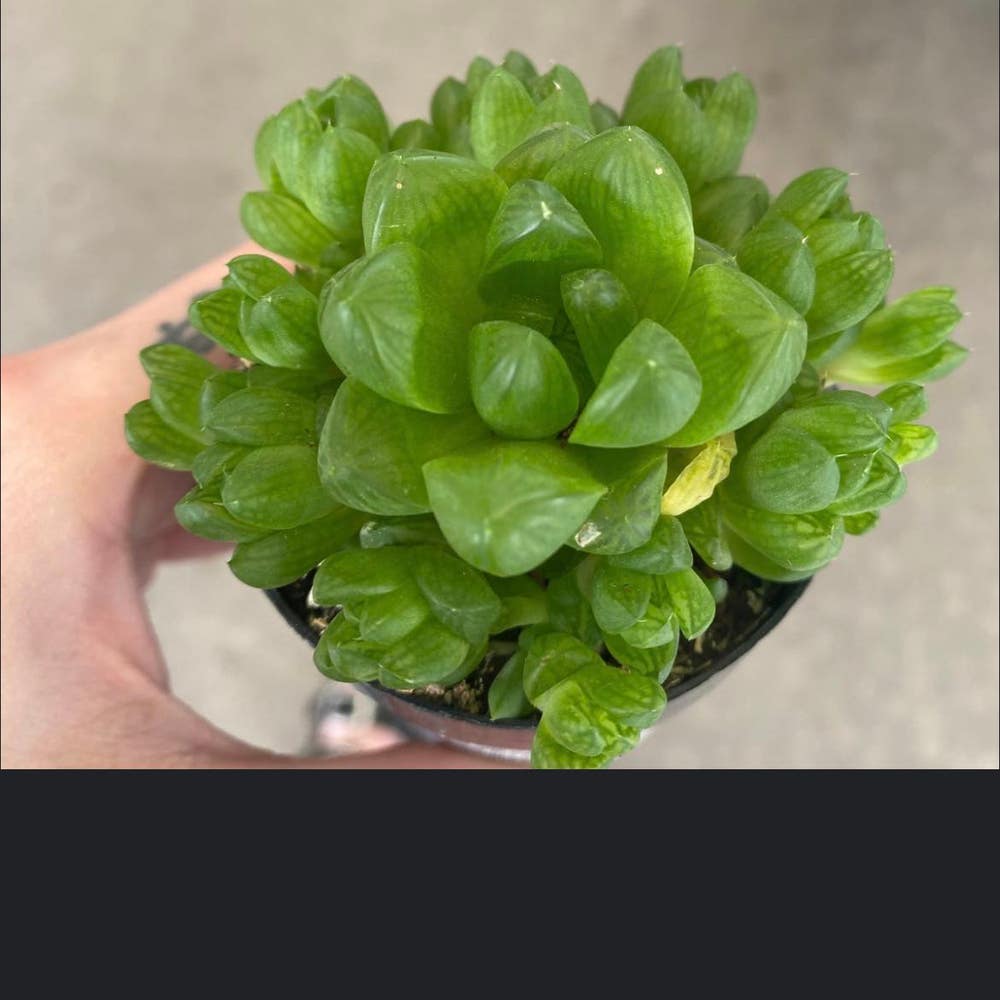
One of the standout features of this plant is its unique rosette growth pattern. This adaptation allows it to thrive in low-light conditions while efficiently retaining water.
Seasonal Growth Variations
Expect active growth during spring and summer, with dormancy kicking in during the winter months. This seasonal rhythm is crucial for maintaining its health and vitality.
Reproductive Strategies and Flowering Cycles 🌸
Flowering cycles in Cathedral Window Haworthia are infrequent but can be quite spectacular. The primary means of reproduction is through offsets, commonly known as pups, rather than relying heavily on seed production like annuals do.
Seed Production
While it does produce seeds, this occurs less frequently compared to true annuals. This strategy allows the plant to focus on developing strong offsets, ensuring its survival and propagation in various environments.
Understanding these genetic and physiological characteristics can help you appreciate the Cathedral Window Haworthia's unique place in the plant world. Next, let’s explore how its lifecycle differs from that of true annuals, shedding light on its perennial nature.
Lifecycle Differences
Lifecycle of Cathedral Window Haworthia vs. True Annuals 🌱
Understanding the lifecycle of the Cathedral Window Haworthia reveals its unique characteristics compared to true annuals. While annuals experience rapid growth, flowering, and death within a single season, Cathedral Window Haworthia enjoys a prolonged lifecycle, with extended growth and flowering phases.
This means that instead of a quick burst of life, these succulents take their time, allowing for a more gradual development. Their ability to thrive over several years sets them apart, making them a fascinating addition to any garden.
Implications of Perennial Lifecycle on Growth and Flowering 🌼
The perennial nature of Cathedral Window Haworthia leads to extended flowering periods, offering the potential for multiple blooms throughout its life. This can create a vibrant display in your garden, contrasting sharply with the seasonal changes seen in annuals.
With consistent presence, these plants can enhance the aesthetic appeal of your garden year-round. Their longevity not only adds stability but also invites a sense of continuity that annuals simply can’t provide.
As you consider incorporating Cathedral Window Haworthia into your landscape, think about how its unique lifecycle can enrich your garden design. Next, let’s explore regional variations and common misconceptions surrounding this captivating succulent.
Regional Variations and Misconceptions
Conditions Where Cathedral Window Haworthia Might Be Mistaken for an Annual 🌱
Extreme weather conditions can significantly impact the growth of Cathedral Window Haworthia. When faced with harsh climates, these plants may appear stunted, leading some to mistakenly believe they are annuals.
Dormancy can also be misinterpreted as death. During winter months, the plant's growth slows dramatically, which can confuse gardeners unfamiliar with its lifecycle.
Exceptions in Care or Treatment as an Annual 🚫
Certain care practices can lead gardeners to treat Cathedral Window Haworthia as an annual. Overwatering or poor drainage can create an environment that shortens the plant's lifespan, making it seem less perennial.
Additionally, misunderstanding its growth cycle in non-ideal conditions can result in premature conclusions about its longevity. Recognizing these factors is crucial for ensuring the plant thrives as intended.
Understanding these regional variations and misconceptions can help gardeners appreciate the true nature of Cathedral Window Haworthia. This knowledge sets the stage for effective garden design and planting strategies that highlight its unique qualities.
Garden Design and Planting Strategies
🌟 Advantages of Using Cathedral Window Haworthia in Garden Design
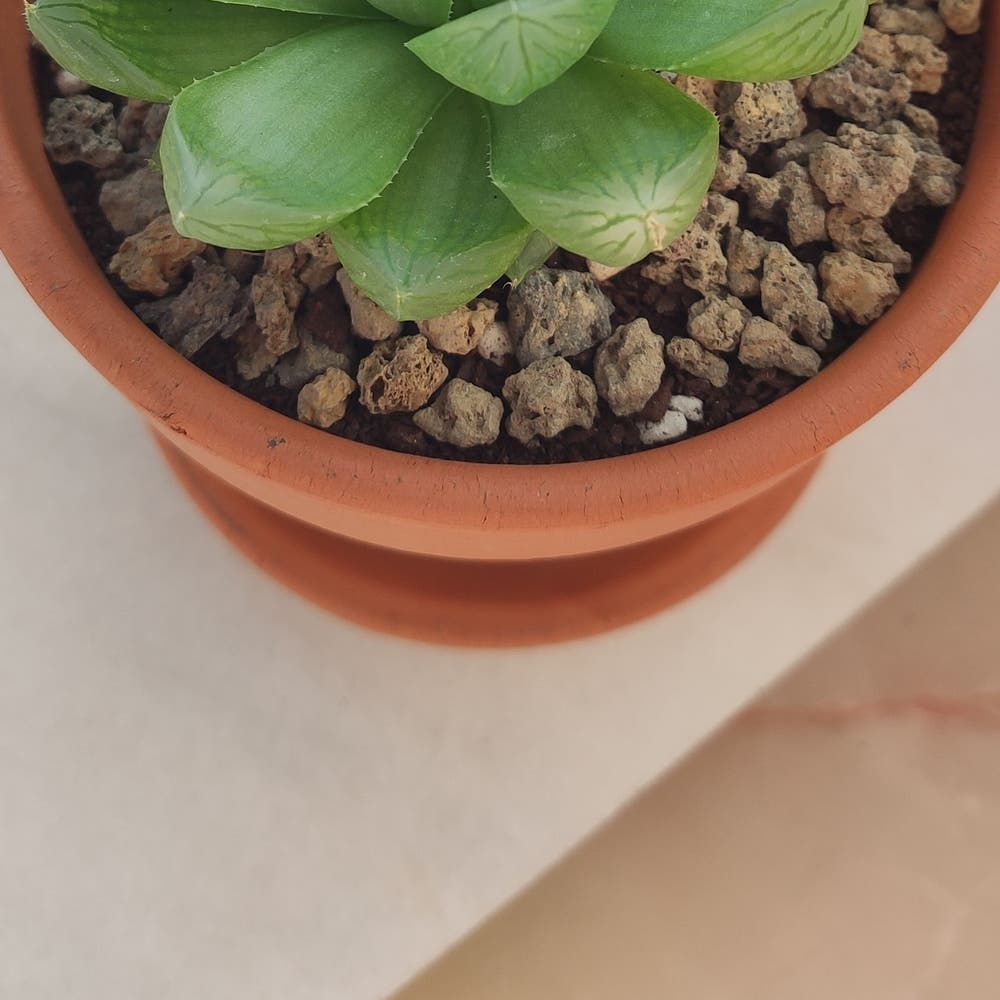
Cathedral Window Haworthia stands out with its stunning rosette shape and vibrant color variations. This unique aesthetic makes it a captivating addition to any garden.
Moreover, it requires significantly less maintenance compared to traditional annuals. Once established, it thrives with minimal intervention, allowing gardeners to enjoy its beauty without constant upkeep.
🌱 Planning for Perennials vs. Annuals in Landscaping
When planning your garden, consider the long-term benefits of using perennials like Cathedral Window Haworthia. They provide stability and continuity, ensuring your garden remains visually appealing year after year.
Incorporating companion planting strategies can enhance your garden's health and aesthetics. Pairing Haworthia with other perennials creates a harmonious landscape that thrives together, making your garden a vibrant, living tapestry.
Transitioning from annuals to perennials can transform your gardening experience, offering lasting beauty and ease of care.
Management Tips for Longevity
🌱 Best Practices for Managing Cathedral Window Haworthia as a Perennial
To keep your Cathedral Window Haworthia thriving, start with the right soil. A well-draining mix is essential to prevent root rot and ensure optimal health.
Watering is another critical factor. Aim for infrequent but thorough watering, allowing the soil to dry out completely between sessions. This mimics their natural habitat and promotes strong root development.
🌼 Tips for Maximizing Longevity and Health in the Garden
Understanding seasonal care adjustments is vital. Recognize the dormancy and active growth periods to tailor your care accordingly.
Pest management is also crucial for succulents. Regularly inspect your plants for common pests and take action promptly to keep them healthy.
Consider utilizing the Greg plant care app for reminders on watering and care schedules. This handy tool can help you stay on top of your plant's needs, ensuring a vibrant garden year-round.
With these management tips, your Cathedral Window Haworthia can flourish, adding beauty and longevity to your garden. Next, let’s explore how to effectively incorporate these stunning plants into your garden design.
⚠️ Safety First
This content is for general information and may contain errors, omissions, or outdated details. It is not medical, veterinary advice, or an endorsement of therapeutic claims.
Always consult a qualified healthcare professional before using any plant as food, medicine, or supplement.
Never eat any plant (or feed one to pets) without confirming its identity with at least two trusted sources.
If you suspect poisoning, call Poison Control (800) 222-1222, the Pet Poison Helpline (800) 213-6680, or your local emergency service immediately.
Spotted an error? Please report it here.
Transform your garden with the resilient Cathedral Window Haworthia 🌿, and let Greg guide you with tailored care reminders to keep your stunning succulent thriving for years!