Why Are My Cathedral Window Haworthia Leaves Falling Over? 🍂
Haworthia cymbiformis
By the Greg Editorial Team
Jun 18, 2024•3 min read
This article was created with the help of AI so we can cover more plants for you. May contain errors. See one? Report it here.
Stop your Haworthia's droop 🌿 and restore its perky posture with these essential care tips!
- Droopy leaves signal distress; assess soil, light, pot size, and pests.
- Overwatering and light shortage lead to weak, droopy Haworthia leaves.
- Adjust care: perfect watering, adequate light, and proper pot size for health.
Spotting the Signs: Is Your Haworthia in Trouble?
Identifying droopy leaves and other symptoms of distress can be like playing plant detective. Let's crack the case.
🚩 When Leaves Droop: A Red Flag
If your Haworthia's leaves are more limp than a wet noodle, take note. This isn't a sign of a relaxed plant; it's a cry for help.
🚨 Other Symptoms of Distress
Beyond the droop, watch for leaves that are yellow, brown, or translucent. These are the visual cues your plant is stressed.
📋 Quick Self-Assessment Checklist
- Check the soil: Is it too wet or bone dry?
- Inspect the leaves: Any yellowing, browning, or unusual softness?
- Evaluate the light: Too much sun or not enough?
- Assess the pot: Is it the right size? Does it have proper drainage?
- Look for pests: Any signs of uninvited guests?
Remember, your Haworthia isn't just being dramatic. These signs are its way of saying, "Hey, I'm not okay!"

Top Reasons Your Haworthia is Leaning Over
💧 Too Much Water: The Soggy Culprit
Overwatering is the arch-nemesis of your Haworthia's roots, leading to a condition as grim as root rot. If your plant's leaves are more limp than a wet noodle, it's time to reassess your watering habits. Soggy soil is a telltale sign you've gone overboard. Remember, these succulents prefer a drought over a flood.
☀️ Starved for Sunlight: The Light Deficiency Issue
Light is as crucial to plants as a charged battery to a smartphone. A Haworthia starved of sunlight grows weak, with leaves that can barely hold themselves up. If your plant is stretching like it's trying to nab the last cookie from the top shelf, it needs more light. Rotate your plant for even light exposure and consider a brighter spot or a grow light.
🌱 The Pot Problem: Size and Stability Matters
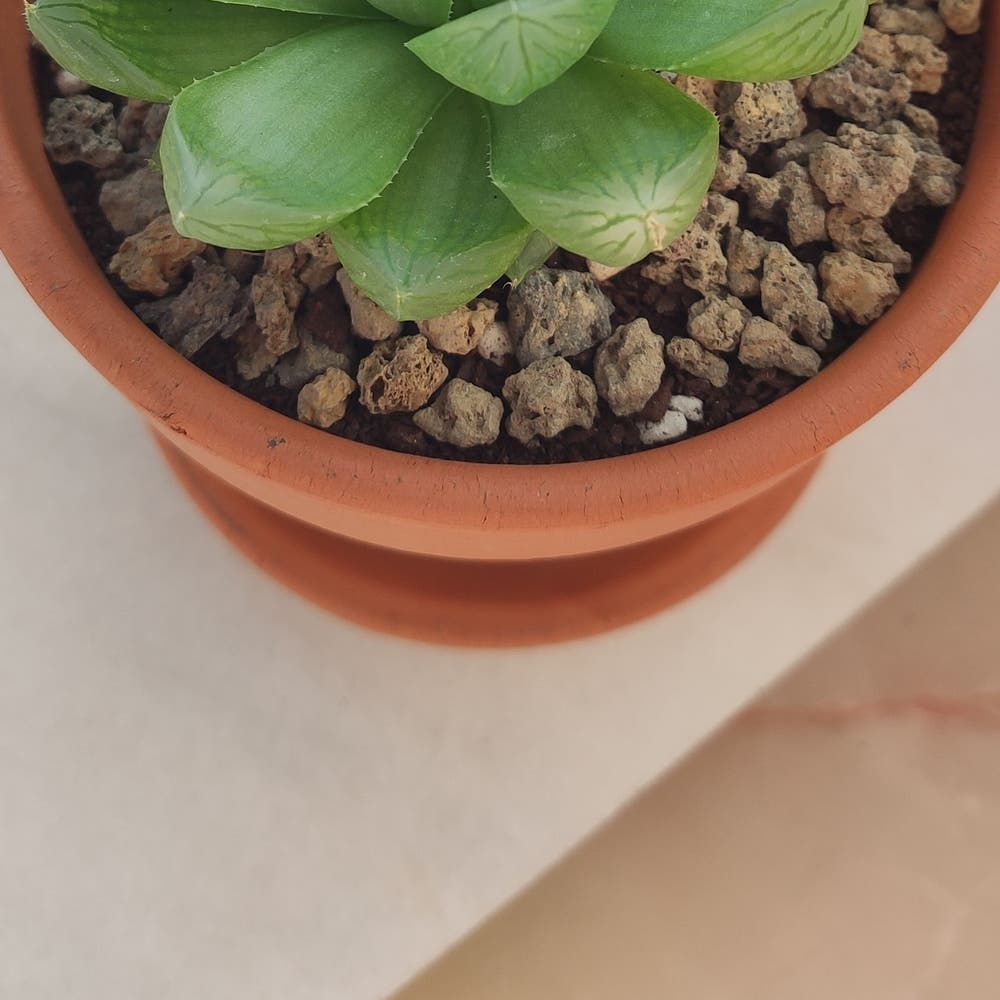
The wrong pot is like ill-fitting shoes for your plant – uncomfortable and destabilizing. A pot too big can leave your Haworthia top-heavy and prone to tipping. On the flip side, a pot too small doesn't give roots the space to anchor the plant firmly. Check if your pot is the Goldilocks fit – just right for your succulent's size and stability needs.

Turning the Tide: How to Perk Up Your Plant
💧 Fine-Tuning Your Watering Routine
Watering isn't a set-it-and-forget-it game. Check the soil's moisture with a finger-test before watering—aim for a moist, not soggy, touch. Drainage is your plant's lifeline. Ensure the pot has holes to avoid a swampy disaster. Mix in perlite or vermiculite to keep the soil's airiness on point.
☀️ Let There Be Light: Adjusting Your Plant's Sun Exposure
Your Haworthia needs that sun-kissed glow, but not a sunburn. Rotate the plant for even exposure, preventing a lopsided growth tragedy. As the sun shifts with seasons, so should your plant—think of it as a slow dance with the light.
🌱 Repotting for Success: Ensuring a Firm Foundation
When your plant's roots are playing Twister in a cramped pot, it's time to repot. Choose a pot that's the Goldilocks fit—not too big, not too small. Post-repotting, give it a thorough water, but don't throw a pool party. Keep the soil consistent to avoid shocking your plant like a cold shower on a winter morning.

⚠️ Safety First
This content is for general information and may contain errors, omissions, or outdated details. It is not medical, veterinary advice, or an endorsement of therapeutic claims.
Always consult a qualified healthcare professional before using any plant as food, medicine, or supplement.
Never eat any plant (or feed one to pets) without confirming its identity with at least two trusted sources.
If you suspect poisoning, call Poison Control (800) 222-1222, the Pet Poison Helpline (800) 213-6680, or your local emergency service immediately.
Spotted an error? Please report it here.
Revitalize your droopy Cathedral Window Haworthia by leveraging Greg's 🌱 custom care plans for optimal watering and light, ensuring your succulent stands proud and perky!