What Temperature Does My Cathedral Window Haworthia Need?
Haworthia cymbiformis
By the Greg Editorial Team
Jun 18, 2024•2 min read
This article was created with the help of AI so we can cover more plants for you. May contain errors. See one? Report it here.
Ensure your Cathedral Window Haworthia thrives by mastering its cozy temperature needs 🌡️🌿.
- Ideal range 70-95 °F, avoid below 50 °F to prevent chill damage.
- 🌡️ Watch for lethargy or color changes as signs of temperature distress.
- Summer shade and winter warmth keep your Haworthia happy year-round.
Introduction
Dive into the cozy world of Cathedral Window Haworthia and its love for just-right temperatures.
🌡️ Ideal Temperature Range for Thriving
70 to 95 °F is the sweet spot for your Haworthia, mimicking its native South African warmth. Below 50 °F, and you're pushing its comfort zone—protect it from anything chillier than 40 °F.
🥵 When Things Get Too Hot or Too Cold
Your plant's a drama queen when unhappy with the temp—look for lethargic growth or color changes. Culprits include drafty windows or that arctic AC blast.
🌬️ Keeping Your Haworthia Comfy Year-Round
In summer, think shade and airflow to dodge the heat. Come winter, shield your succulent from the cold—no frosty windowsills.
💧 A Quick Nod to Humidity
While not a humidity hog, a bit of moisture keeps your Haworthia from feeling parched. Just avoid the muggy extremes of a rainforest.

Conclusion
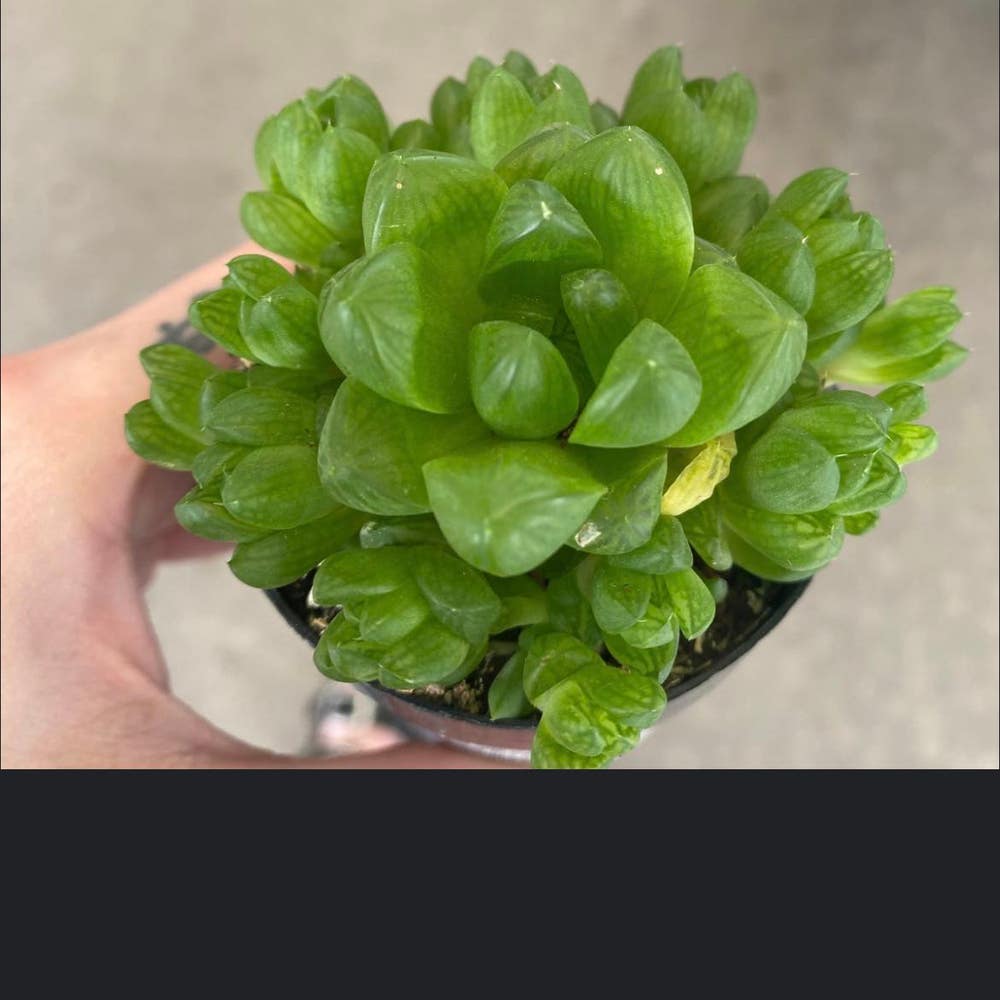
In the grand scheme of your indoor jungle, the temperature for your Cathedral Window Haworthia is less about precision and more about avoiding extremes. Think of it as the Goldilocks zone for your spiky friend – not too hot, not too cold, but just right. Keep it away from the icy kiss of a drafty window or the scorching embrace of direct sunlight behind glass. Remember, if you're comfortable lounging in your space, your Haworthia is likely feeling pretty good too. So, keep that thermostat steady, and your plant will reward you with its unique, translucent beauty. No sweater or sunscreen required for this little green trooper.


⚠️ Safety First
This content is for general information and may contain errors, omissions, or outdated details. It is not medical, veterinary advice, or an endorsement of therapeutic claims.
Always consult a qualified healthcare professional before using any plant as food, medicine, or supplement.
Never eat any plant (or feed one to pets) without confirming its identity with at least two trusted sources.
If you suspect poisoning, call Poison Control (800) 222-1222, the Pet Poison Helpline (800) 213-6680, or your local emergency service immediately.
Spotted an error? Please report it here.
Keep your Cathedral Window Haworthia in its happy zone 🌵 with Greg's environmental tracking for that just-right warmth and comfort.