5 Do's and Don'ts of Growing Cathedral Window Haworthia 🪟
Haworthia cymbiformis
By the Greg Editorial Team
Oct 09, 2024•6 min read
This article was created with the help of AI so we can cover more plants for you. May contain errors. See one? Report it here.
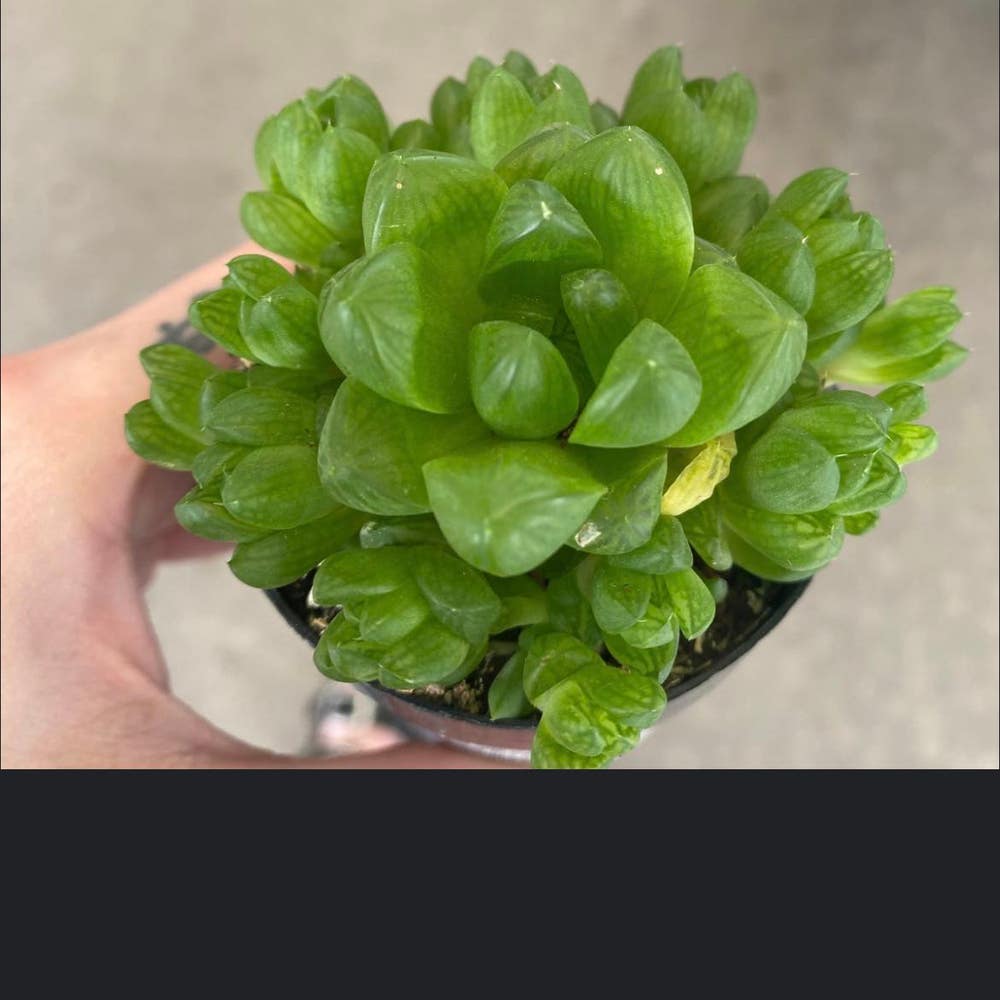
Cultivate a stunning Cathedral Window Haworthia 🌱 with essential care tips for vibrant growth and resilience!
- 🌞 Cathedral Window Haworthia thrives in bright, indirect sunlight; avoid sunburn!
- 💧 Water every 2-3 weeks, ensuring soil dries out completely to prevent root rot.
- 🪴 Use well-draining soil and pots with drainage holes for healthy roots.
Choosing the Right Location
🌞 Sunlight Requirements
Cathedral Window Haworthia thrives in bright, indirect sunlight. While it can tolerate some direct sun, keep a close eye on your plant to prevent sunburn.
🏡 Indoor vs. Outdoor Growing
When growing indoors, place your Haworthia near windows that filter light. If natural light is lacking, consider using grow lights to ensure your plant gets enough energy.
For outdoor gardening, select a sheltered spot that avoids harsh afternoon sun. Remember to adjust your plant's location with the seasons to optimize its light exposure.
Soil Preparation
Ideal Soil Mix 🌱
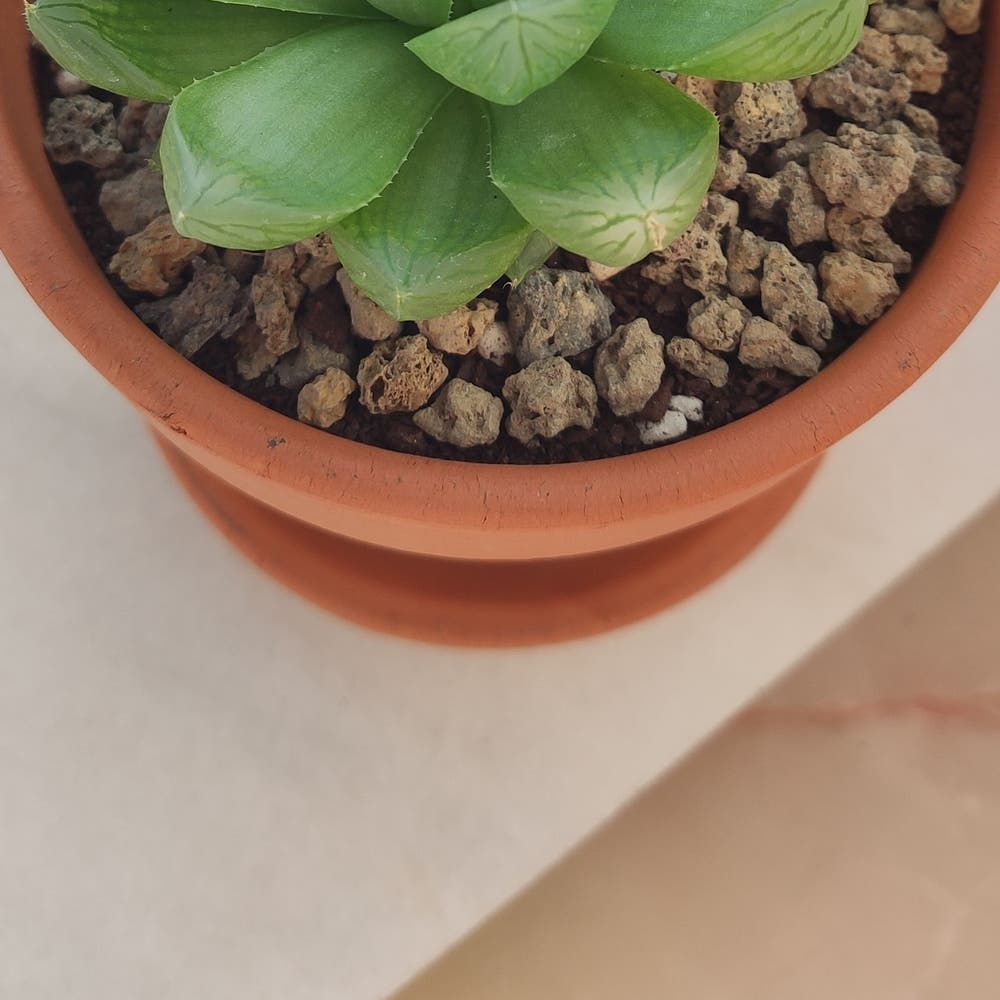
To ensure your Cathedral Window Haworthia thrives, start with the right soil mix. A cactus mix or a combination of potting soil, sand, and perlite is ideal for promoting healthy growth.
Well-draining soil is crucial. It prevents root rot, which can be a common issue for these beautiful succulents.
Drainage Considerations 🚰
When selecting a container, prioritize pots with drainage holes. This feature is essential for allowing excess water to escape, keeping your plant's roots healthy.
To further enhance drainage, consider adding gravel or coarse sand to your soil mix. This simple technique can make a significant difference in preventing waterlogging.
By focusing on proper soil preparation and drainage, you set the stage for a flourishing Cathedral Window Haworthia. Next, let’s explore effective planting techniques to ensure your succulent has the best start possible.
Planting Techniques
🌱 Container Selection
Choosing the right container is crucial for your Cathedral Window Haworthia. Terracotta pots are popular because they allow for better airflow and moisture evaporation, which helps prevent root rot.
On the other hand, plastic pots are lightweight and retain moisture longer, making them suitable for beginners. When selecting a pot, ensure it’s not too large; a snug fit encourages healthy root growth without excess soil that can retain too much moisture.
🌿 Planting Depth and Spacing
When planting, aim for a depth just below the soil line. This ensures that the roots are well-supported while allowing the leaves to bask in the light.
For multiple plants, space them 4-6 inches apart. This spacing promotes adequate airflow, reducing the risk of fungal issues and allowing each plant to thrive without competition for resources.
With these planting techniques in mind, you're well on your way to nurturing a healthy Cathedral Window Haworthia. Next, let’s explore the essential watering and fertilizing practices to keep your plant flourishing.
Watering and Fertilizing
💧 Watering Guidelines
Watering your Cathedral Window Haworthia is crucial for its health. Aim to water every 2-3 weeks, ensuring the soil dries out completely between waterings.
Watch for signs of overwatering, such as yellowing leaves or a mushy texture. Conversely, underwatering can lead to wrinkled leaves and stunted growth, so keep an eye on your plant's appearance.
📅 Fertilizing Schedule
When it comes to fertilizing, a balanced, diluted succulent fertilizer works best. Apply this during the growing season, which spans spring and summer.
To fertilize, simply dilute the fertilizer in water and apply it during your regular watering routine. This will give your Haworthia the nutrients it needs to thrive without overwhelming it.
With proper watering and fertilizing, your Cathedral Window Haworthia will flourish, setting the stage for successful growth. Next, let's explore common challenges and solutions to keep your plant in top shape.
Common Challenges and Solutions
🕵️♂️ Identifying Common Problems
Pests
Pests can be a real headache for your Cathedral Window Haworthia. The most common culprits are mealybugs and aphids, which can wreak havoc if not caught early.
Look for sticky residue on leaves or visible insects to identify an infestation. If you notice these signs, it’s time to act quickly.
Diseases
Root rot is a significant concern for Haworthia owners. Symptoms include wilting and yellowing leaves, even when you’re providing adequate care.
If your plant shows these signs, it’s crucial to assess your watering habits and soil conditions.
🛠️ Solutions and Preventive Measures
To tackle pests effectively, consider using neem oil or insecticidal soap. These treatments are gentle yet effective in eliminating unwanted guests.
Regularly cleaning the leaves can also deter pests from settling in. A simple wipe-down can go a long way in keeping your plant healthy.
For diseases like root rot, adjusting your watering practices is essential. Ensure you’re allowing the soil to dry out completely between waterings.
If root rot is suspected, repotting in fresh, well-draining soil can help save your plant. This step can rejuvenate your Haworthia and promote healthy growth.
By staying vigilant and proactive, you can overcome these common challenges and enjoy a thriving Cathedral Window Haworthia. Next, let’s explore additional tips for success in caring for your plant.
Additional Tips for Success
🌱 Propagation Methods
Leaf Cuttings vs. Offsets
When it comes to propagating your Cathedral Window Haworthia, you have two main options: leaf cuttings and offsets.
-
- Start by selecting a healthy leaf from the parent plant.
- Cut it cleanly at the base and let it dry for a day to form a callus.
- Place the leaf in well-draining soil, keeping it upright.
- Water sparingly until roots develop, which usually takes a few weeks.
-
- Look for small plants growing at the base of the parent.
- Gently separate the offsets from the main plant, ensuring some roots are attached.
- Plant them in their own pots with a suitable soil mix.
Both methods can yield beautiful new plants, so choose the one that suits your style!
🌦️ Seasonal Considerations
Adjusting your care routine according to the seasons is crucial for your Haworthia's health.
- Summer: Increase watering frequency as the plant actively grows.
- Winter: Cut back on watering since the plant enters dormancy.
Keep an eye on light exposure too; as seasons change, so should your plant's position to ensure it receives optimal light.
🧙♂️ Myths and Misconceptions
There are plenty of myths surrounding Haworthia care that can lead to confusion.
Myth: Overwatering is necessary for growth.
- Reality: Too much water can lead to root rot, which is detrimental to your plant.
Myth: Haworthia cannot thrive indoors.
- Reality: With the right care, these plants can flourish in indoor settings.
Understanding these misconceptions will help you provide the best care for your Cathedral Window Haworthia.
As you embark on your journey with these stunning succulents, remember that knowledge is your best tool. With the right techniques and a bit of patience, you'll be well on your way to a thriving collection! Next, let's explore common challenges and solutions to keep your plants healthy.
⚠️ Safety First
This content is for general information and may contain errors, omissions, or outdated details. It is not medical, veterinary advice, or an endorsement of therapeutic claims.
Always consult a qualified healthcare professional before using any plant as food, medicine, or supplement.
Never eat any plant (or feed one to pets) without confirming its identity with at least two trusted sources.
If you suspect poisoning, call Poison Control (800) 222-1222, the Pet Poison Helpline (800) 213-6680, or your local emergency service immediately.
Spotted an error? Please report it here.
Master the art of growing your Cathedral Window Haworthia with Greg's tailored care tips 🌿, ensuring your plant thrives beautifully by following the do's and don'ts from this guide!