Why Is My Cathedral Window Haworthia Not Doing Well?
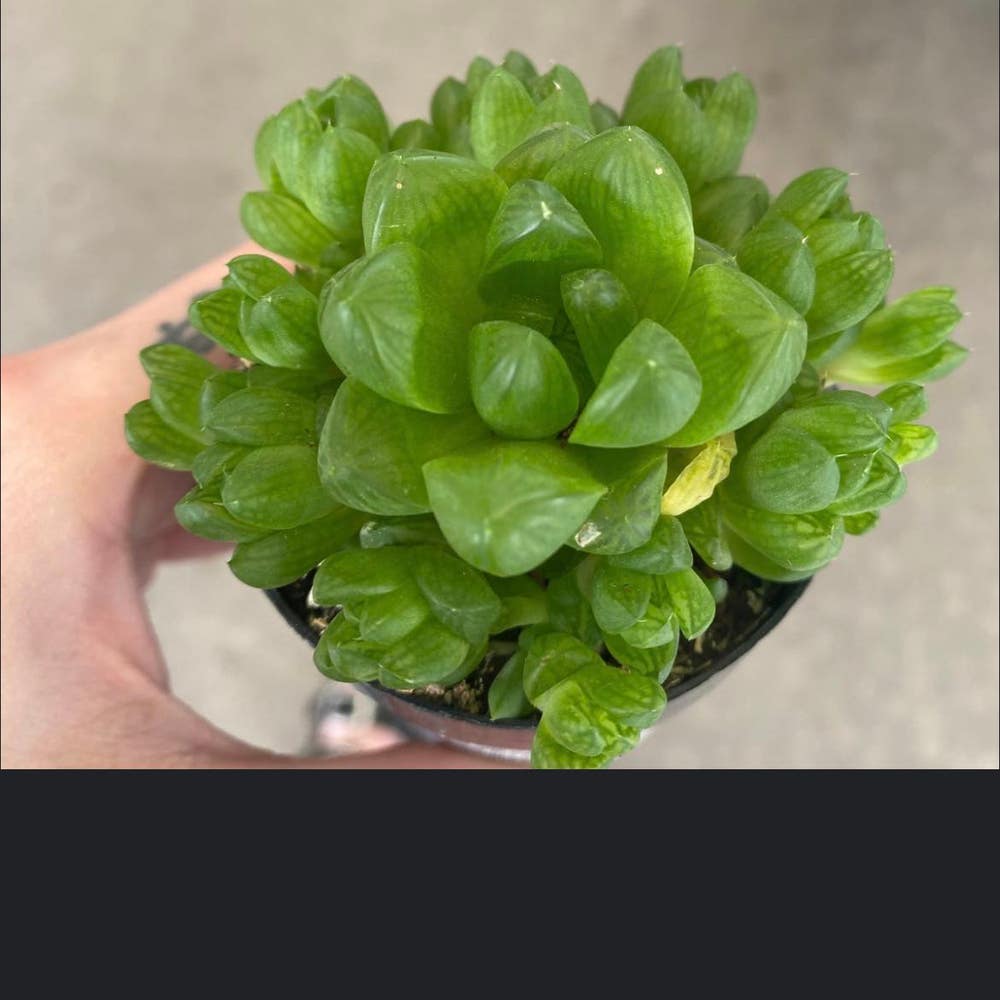
Haworthia cymbiformis
By the Greg Editorial Team
Jun 18, 2024•4 min read
This article was created with the help of AI so we can cover more plants for you. May contain errors. See one? Report it here.
Nurture your struggling Haworthia back to health 🌿 and avoid plant-parent pitfalls with these vital tips!
- 🚱 Over-watering causes root rot: Yellow leaves and foul odor are signs.
- ☀️🌡️ Balance light and temperature: Bright, indirect light and 60-85°F ideal.
- 🐛🍄 Watch for pests and mold: Use alcohol or neem oil, improve air circulation.
When Water Works Against You
🚰 Over-watering Hazards
Yellowing leaves and a foul odor from the soil are tell-tale signs that your Cathedral Window Haworthia might be getting too much love in the liquid form. Over-watering can lead to a host of issues, including root rot, which is as nasty as it sounds.
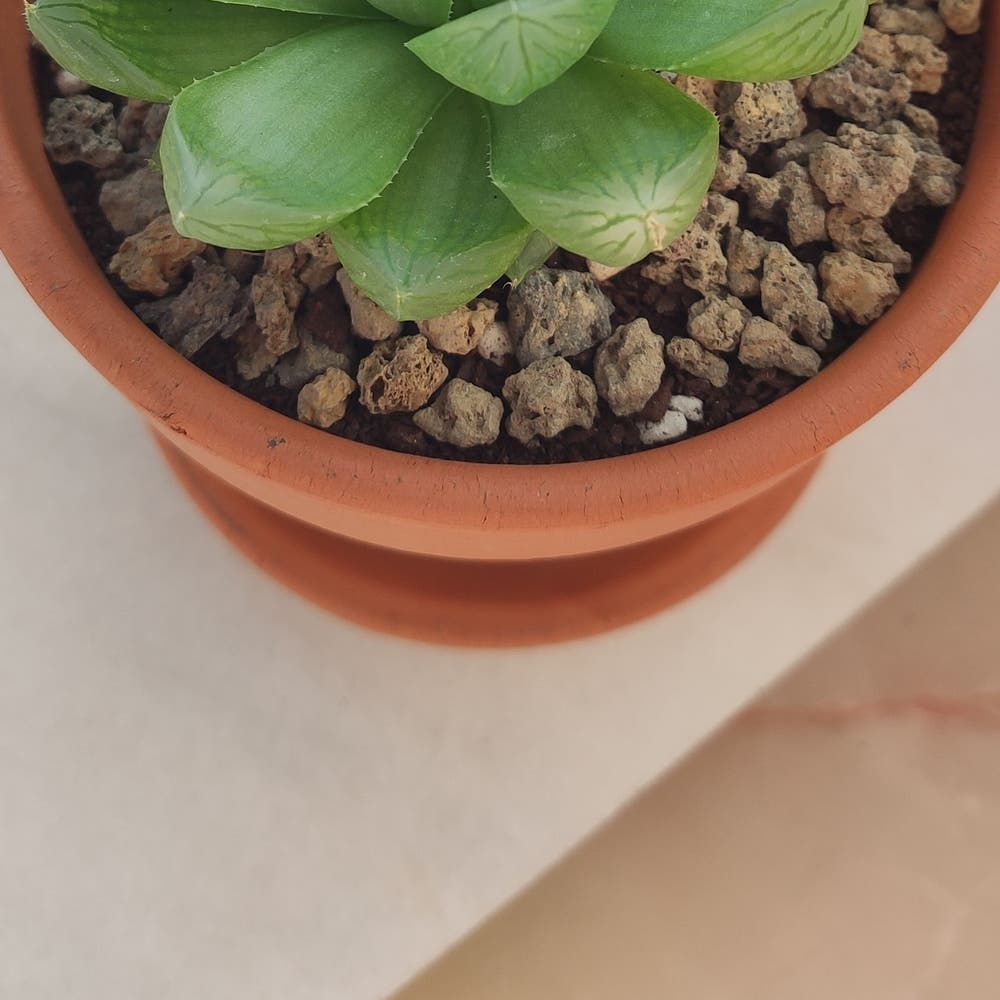
To save your waterlogged friend, cut back on watering immediately. Check if the pot has proper drainage and consider a soil mix that's more on the gritty side to prevent future water retention. If the soil feels like a swamp, it might be time for a complete soil change to give those roots a fresh start.
🏜️ Under-watering Woes
On the flip side, if your Haworthia's leaves look like they've been on a diet—shriveled and sad—it's likely screaming for a drink. Stunted growth is another red flag that your plant is parched.
The sweet spot for watering is when the top inch of the soil feels like a dry martini—bone dry. Give it a thorough soak until water drains out the bottom, then let it be until the soil dries out again. Remember, it's a desert dweller at heart, so it can handle a bit of neglect better than overindulgence.

Light and Temperature: The Balancing Act
🌞 Too Much Sun, Too Little Shade
🔥 Burn Notice
Haworthias are like the introverts of the plant world; they enjoy the sun but can get overwhelmed by too much attention. Leaf scorch is the plant's equivalent of a nasty sunburn. If your Haworthia's leaves are sporting crispy, brown patches, it's screaming for shade. To fix this, gradually shift the plant to a spot with bright, indirect light. It's like moving someone with a hangover from a sunny patio to a comfortable, dimly lit room.
Shifting Shades
The ideal light conditions for your Haworthia are as specific as a barista's coffee order: bright, but no direct sunlight. Think of a spot that's sunny enough to read a book without turning on a lamp. Indirect light is your goal, so a north-facing windowsill or a spot with filtered light will make your Haworthia feel like it's found its own personal nirvana.
🌡️ Temperature Tantrums
Weathering the Extremes
Your Haworthia can throw a temperature tantrum just like a toddler refuses to wear a jacket. Signs of temperature stress include leaves that look defeated and wilted or, conversely, puckered as if they're holding their breath. Stabilize the temperature to avoid these meltdowns, keeping your plant in a range that's more temperate than tropical.
Keeping it Comfy
To keep your Haworthia's environment as comfy as an old sweatshirt, maintain temperatures between 60-85°F (15-29°C). Avoid placing your plant near heaters, air conditioners, or drafty windows. It's not about coddling them; it's about providing a stable environment where they can kick back and relax without worrying about the next weather apocalypse.

The Unseen Enemies: Pests and Diseases
🐜 Pests: The Mini Invaders
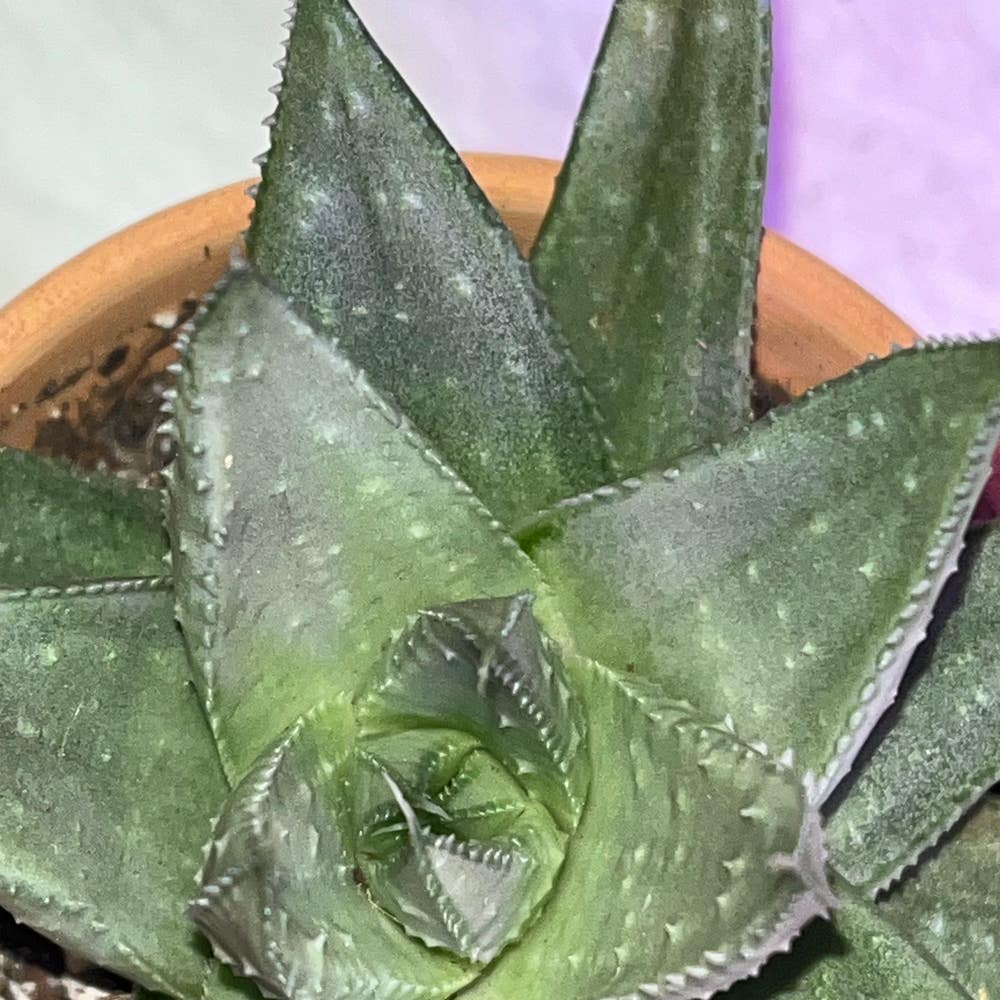
In the tussle for plant health, pests are your Haworthia's arch-nemeses. Spider mites and mealybugs love to throw secret raves on the undersides of leaves, leaving behind a mess of fine webbing or cottony deposits. Scale insects are the masters of disguise, masquerading as harmless bumps on stems and leaves. To evict these squatters, wipe them down with rubbing alcohol or introduce a neem oil-based organic pesticide. Remember, it's a full-on war, not a polite skirmish.
🍄 Fungus Among Us
Mold and mildew are the Haworthia's silent, sneaky invaders. They thrive in the shadows, so let there be light! If you spot a fungal party on the soil, scoop it out and dispose of it like last week's leftovers. Don't just play whack-a-mole with the symptoms; cut off the party supplies by improving air circulation and reducing moisture.
🦠 Root Rot: The Silent Killer
Root rot is the plant equivalent of a heart attack—silent, deadly, and often detected too late. If your Haworthia's leaves are turning into a mushy mess, it's time to play detective. Unearth the plant and inspect the roots. Healthy roots are firm and white, while rotten roots are brown and slimy. If you find the latter, it's time for some soil surgery. Trim the dead roots, repot in fresh, well-draining soil, and adjust your watering habits. It's a tough love approach, but it's the only way to save your plant from an underground demise.

⚠️ Safety First
This content is for general information and may contain errors, omissions, or outdated details. It is not medical, veterinary advice, or an endorsement of therapeutic claims.
Always consult a qualified healthcare professional before using any plant as food, medicine, or supplement.
Never eat any plant (or feed one to pets) without confirming its identity with at least two trusted sources.
If you suspect poisoning, call Poison Control (800) 222-1222, the Pet Poison Helpline (800) 213-6680, or your local emergency service immediately.
Spotted an error? Please report it here.
Revive your Cathedral Window Haworthia from the brink with Greg's 🌱 custom watering plan and environment tracking, ensuring it never drowns in too much love or withers from neglect.