3 Cathedral Window Haworthia Varieties You Didn't Know About 🪟
Haworthia cymbiformis
By the Greg Editorial Team
Oct 09, 2024•5 min read
This article was created with the help of AI so we can cover more plants for you. May contain errors. See one? Report it here.
Unlock the beauty of Haworthia cultivars 🌿 and transform your succulent collection with unique, captivating varieties!
- 🌱 Discover unique Cathedral Window Haworthia varieties like 'Haworthia cooperi' and 'Haworthia retusa.'
- 🌈 Color intensity varies with light and soil; proper care enhances vibrancy.
- 🌍 Rare hybrids and cultivars enrich biodiversity, making them prized among collectors.
Popular Cultivars
🌟 Notable Cultivars
Haworthia cultivars are celebrated for their unique characteristics, making them favorites among succulent enthusiasts. Two standout varieties are 'Haworthia cooperi' and 'Haworthia truncata.'
'Haworthia cooperi' is particularly admired for its translucent leaf tips, which create a stunning visual effect. In contrast, 'Haworthia truncata' boasts a distinctive, flattened leaf shape that sets it apart from other species.
🌈 Rare and Unique Varieties
Characteristics of Rare Varieties
Rare Haworthia varieties are defined by their limited availability and unique traits. These cultivars often possess distinct features that make them highly sought after by collectors.
Examples of rare varieties include 'Haworthia retusa,' known for its strikingly patterned leaves, and 'Haworthia pygmaea,' which is tiny yet captivating. The conservation and cultivation of these rare varieties are crucial, as they contribute to biodiversity and the overall health of the ecosystem.
🌿 Hybrid Varieties
Overview of Hybrid Haworthia Varieties
Hybridization in Haworthia involves crossing different species to create new varieties with unique characteristics. This process can yield hybrids that exhibit enhanced resilience and intriguing growth patterns.
Notable hybrids include 'Haworthia x magnifica,' which combines the best traits of its parent species. These hybrids not only add diversity to collections but also often thrive in varying conditions, making them ideal for both novice and experienced gardeners.
With a deeper understanding of these popular cultivars, you can appreciate the beauty and diversity of Haworthia. Next, we’ll explore the vibrant color variations that make these plants even more captivating.
Color Variations
🌈 Range of Colors in Cathedral Window Haworthia
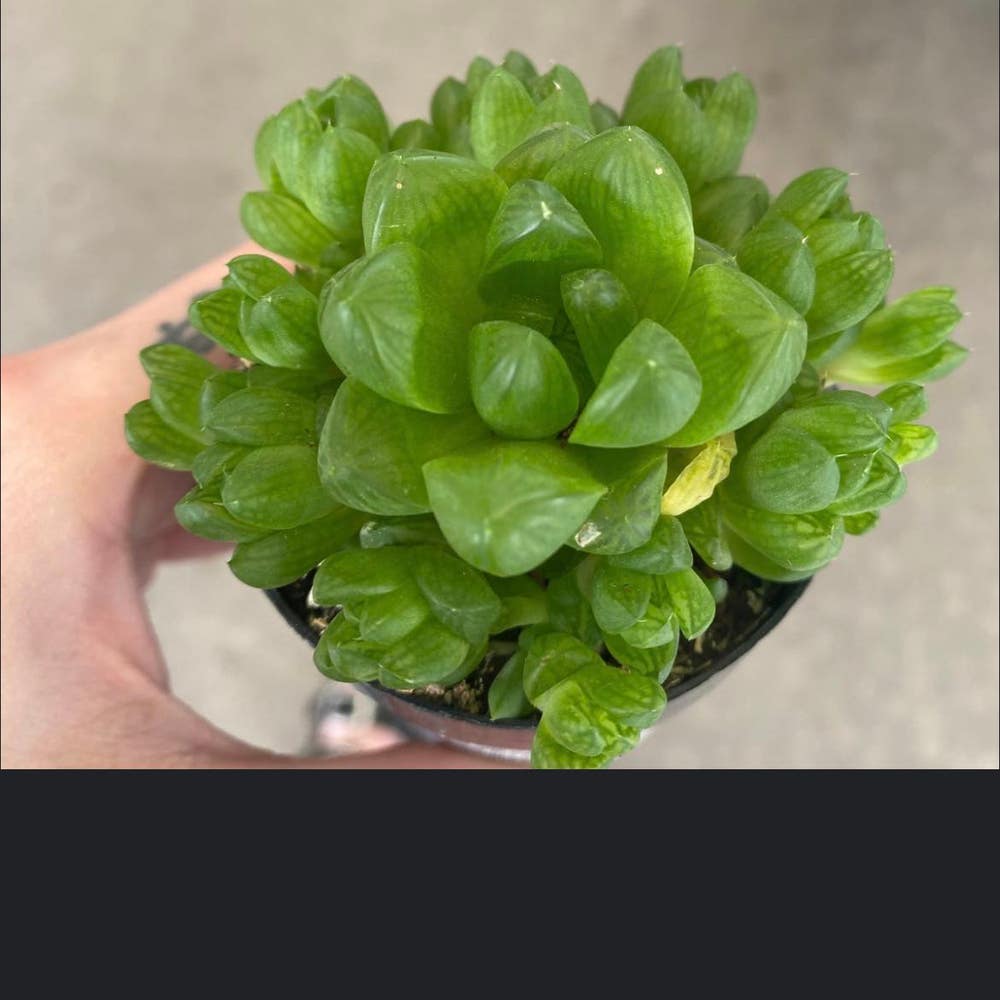
Cathedral Window Haworthia showcases a stunning array of colors, ranging from vibrant greens to deep purples. This diversity not only adds visual interest but also reflects the plant's adaptability to various environments.
🎨 Factors Influencing Color Changes
Several factors can influence the color of these succulents.
- Light Exposure: More sunlight often intensifies color, while too little can lead to dull hues.
- Soil Type: Nutrient-rich soils can enhance vibrancy, while poor soils may result in muted tones.
- Watering Practices: Overwatering can wash out colors, while proper hydration maintains their brilliance.
🌟 Examples of Specific Cultivars
Certain cultivars stand out for their unique color traits.
- Haworthia cooperi: Known for its translucent leaf tips that shimmer in the light.
- Haworthia truncata: Features a striking contrast between its green body and purple edges.
Understanding these color variations not only enriches your appreciation for Cathedral Window Haworthia but also helps you cultivate them effectively. Next, we’ll explore the size differences among these captivating cultivars.
Size Differences
Size Variations Among Cultivars 🌱
Haworthia cultivars come in a fascinating array of sizes. From compact miniatures to larger varieties, these plants offer something for every succulent enthusiast.
Standard Species vs. Popular Cultivars 📏
Standard Haworthia species typically grow to about 4 to 6 inches in height. In contrast, popular cultivars can vary significantly, with some reaching up to 12 inches or more, depending on their specific traits and growing conditions.
Miniaturized Varieties 🪴
Miniaturized Haworthia varieties are particularly appealing for indoor collections. Examples include 'Haworthia retusa,' which stays under 3 inches tall, making it perfect for small spaces or terrariums.
These tiny wonders not only save space but also add a unique charm to your collection. Their manageable size allows for creative arrangements, making them a favorite among urban gardeners.
Conclusion 📝
Understanding the size variations among Haworthia cultivars can enhance your gardening experience. Whether you're drawn to the petite or the more robust varieties, there's a perfect fit for every plant lover. Next, let's explore the vibrant color variations that these captivating plants can display.
Special Care Requirements for Specific Cultivars
Care Needs 🌱
Caring for Cathedral Window Haworthia cultivars requires attention to their unique needs. Each variety has specific preferences that can significantly impact its health and growth.
Watering Preferences 💧
Watering is crucial but varies among cultivars. Generally, allow the soil to dry out completely between waterings, but some varieties may need more frequent hydration during their active growing season.
Light Requirements ☀️
Light exposure is another key factor. Most Haworthia thrive in bright, indirect sunlight, but certain cultivars can tolerate lower light conditions. Monitor your plants closely to avoid sunburn or etiolation.
Soil Preferences 🌿
Soil type also plays a vital role in their care. A well-draining succulent mix is ideal, but some rare varieties may benefit from a more specialized blend. Ensure good drainage to prevent root rot.
Tips for Optimal Health 🥗
To maintain optimal health in unique varieties, consider these tips:
- Rotate Your Plants: Regularly rotate your pots to ensure even light exposure.
- Monitor Humidity: Keep humidity levels low, as excessive moisture can lead to fungal issues.
- Fertilize Sparingly: Use a diluted succulent fertilizer during the growing season, but avoid over-fertilizing.
By understanding and catering to these specific care requirements, you can help your Cathedral Window Haworthia thrive. This attention to detail not only enhances their beauty but also contributes to their longevity.
Transition to Next Section 🔄
With the right care, your Haworthia can flourish, showcasing their stunning characteristics. Next, let’s explore the fascinating color variations found in these unique plants.
⚠️ Safety First
This content is for general information and may contain errors, omissions, or outdated details. It is not medical, veterinary advice, or an endorsement of therapeutic claims.
Always consult a qualified healthcare professional before using any plant as food, medicine, or supplement.
Never eat any plant (or feed one to pets) without confirming its identity with at least two trusted sources.
If you suspect poisoning, call Poison Control (800) 222-1222, the Pet Poison Helpline (800) 213-6680, or your local emergency service immediately.
Spotted an error? Please report it here.
Discover the stunning diversity of Cathedral Window Haworthia and ensure their vibrant growth 🌿 with Greg's tailored care tips that keep your collection thriving!