When and Where Should I Trim My Cathedral Window Haworthia?
Haworthia cymbiformis
By the Greg Editorial Team
Jun 18, 2024•4 min read
This article was created with the help of AI so we can cover more plants for you. May contain errors. See one? Report it here.
Achieve a thriving, sculpted Haworthia 🌵 with our foolproof timing and trimming guide.
- 🍂 Trim in spring/fall for plant health and aesthetics.
- 🌵 Yellow leaves and leggy growth signal it's trimming time.
- ✂️ Use clean, sharp tools for precise cuts and disease prevention.
Timing Your Trimming: When to Snip for Success
⏰ Seasonal Smarts: Best Times of Year for Trimming
Spring and fall are your go-to seasons for giving your Cathedral Window Haworthia a trim. These periods offer subtropical bliss with warm days and cool nights, creating the perfect growth spurt conditions. It's like hitting the gym for your Haworthia, except you're the one doing the heavy lifting with the shears.
🌱 Plant Cues: Signs Your Haworthia is Ready for a Trim
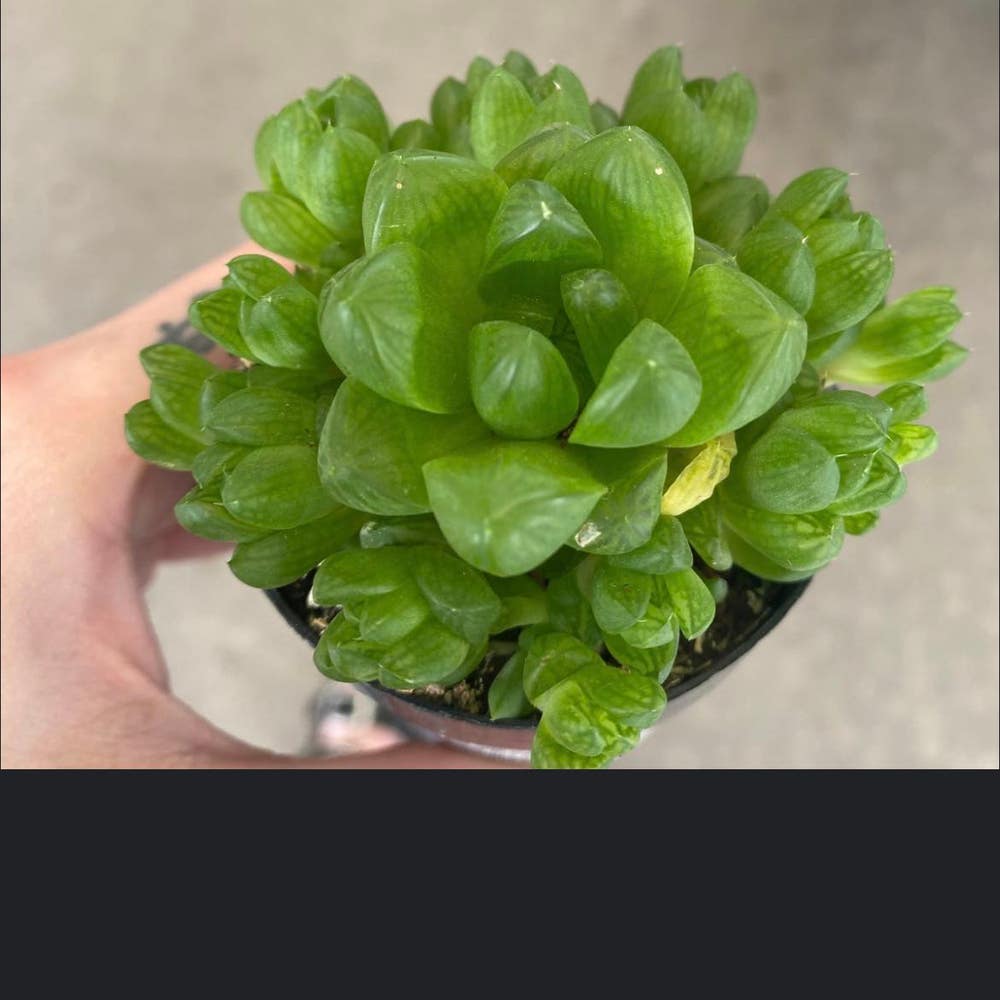
Keep your eyes peeled for the Haworthia's silent signals. Yellowing leaves are the plant's white flag, a subtle SOS for help. They're ready to part ways, so grant them their final wish with a snip. Leggy growth? That's your cue to step in and play plant stylist, ensuring your succulent buddy doesn't get too out of shape.

Targeted Trimming: Where to Make the Cut
🌿 Focusing on Foliage: Identifying Leaves to Trim
Spotting damaged or withered leaves on your Cathedral Window Haworthia is like finding typos in your favorite novel—annoying but fixable. Brown leaves or those that look like they've seen better days are prime candidates for a trim. Remember, it's a haircut, not a hack job; never remove more than 20% of the foliage at once.
🌱 Shape and Symmetry: Trimming for Aesthetic Balance
Your Haworthia isn't trying to win a beauty pageant, but let's not let it go full caveman either. Trimming for shape means playing the role of a plant stylist—snip here, snip there, all to maintain that pleasing rosette form. Techniques include cutting back overgrown leaves and balancing out any lopsided growth. Keep it symmetrical, but don't stress about perfection; plants, like people, are beautifully imperfect.

The Right Stuff: Tools of the Trade
🔪 Selecting Your Snipping Gear
Precision is key when trimming your Cathedral Window Haworthia. Choose tools that are comfortable in your hand for those accurate snips. Forget the overkill of hacksaws; this is a job for the finesse of pointed secateurs or sharp scissors. The right tool not only makes the job easier but also ensures a clean cut, which is crucial for the plant's health.
🧼 Clean Cuts: Keeping Your Tools Pristine
Tool cleanliness is as non-negotiable as the sharpness of the blade. Before you make the first cut, give your tools a spa day with a rubdown of rubbing alcohol. This isn't just about aesthetics; it's about preventing the spread of disease. Think of it as the hand sanitizer of the gardening world. And remember, after each trimming session, repeat the cleaning ritual to keep your tools in pristine condition for the next round.

Trimming Techniques: A Step-by-Step Guide
🌱 Gentle Handling: How to Hold Your Haworthia During Trimming
Haworthia, with its fleshy leaves and delicate structure, demands gentle handling. Cradle the base with one hand while you wield your pruning tool with the other. This minimizes stress on the plant and prevents accidental breakage.
🎯 Precision Pruning: Techniques for Effective Trimming
Sharp tools are your best friends here. Sterilize your precision pruners or micro snips with alcohol to prevent disease transmission. Now, let's get down to business:
- Inspect your Haworthia for any leaves that are yellowing or dead. These are the ones you'll want to bid farewell.
- Position your tool at the base of the unwanted leaf, leaving a smidgen of space from the main stem to avoid collateral damage.
- Snip with confidence, but don't get snip-happy; removing more than 25% of the plant is overkill.
- Discard the trimmings, unless you're in the propagation game.
- Step back occasionally to check the plant's shape, ensuring you're not giving it the botanical equivalent of a mullet.
Remember, it's a trim, not a topiary contest. Your goal is to maintain the Haworthia's natural rosette form, not to sculpt it into the next avant-garde centerpiece.
⚠️ Safety First
This content is for general information and may contain errors, omissions, or outdated details. It is not medical, veterinary advice, or an endorsement of therapeutic claims.
Always consult a qualified healthcare professional before using any plant as food, medicine, or supplement.
Never eat any plant (or feed one to pets) without confirming its identity with at least two trusted sources.
If you suspect poisoning, call Poison Control (800) 222-1222, the Pet Poison Helpline (800) 213-6680, or your local emergency service immediately.
Spotted an error? Please report it here.
Trim your Cathedral Window Haworthia to perfection ✂️ during the ideal seasons, with Greg's timely reminders to keep your succulent's shape as stunning as a stained glass masterpiece.