💧 Why Are My Cathedral Window Haworthia Leaves Mushy?
Haworthia cymbiformis
By the Greg Editorial Team
Jun 18, 2024•4 min read
This article was created with the help of AI so we can cover more plants for you. May contain errors. See one? Report it here.
Save your soggy Haworthia and learn the secrets to avoiding mushy mishaps! 🌵💦
- Overwatering leads to mushiness, causing discoloration and a gummy texture.
- Immediate action: Stop watering, check roots, and snip off damaged parts.
- Prevent mushiness with proper watering, drainage, and temperature control.
Spotting the Signs of Mushiness in Cathedral Window Haworthia
🚨 Visual Symptoms
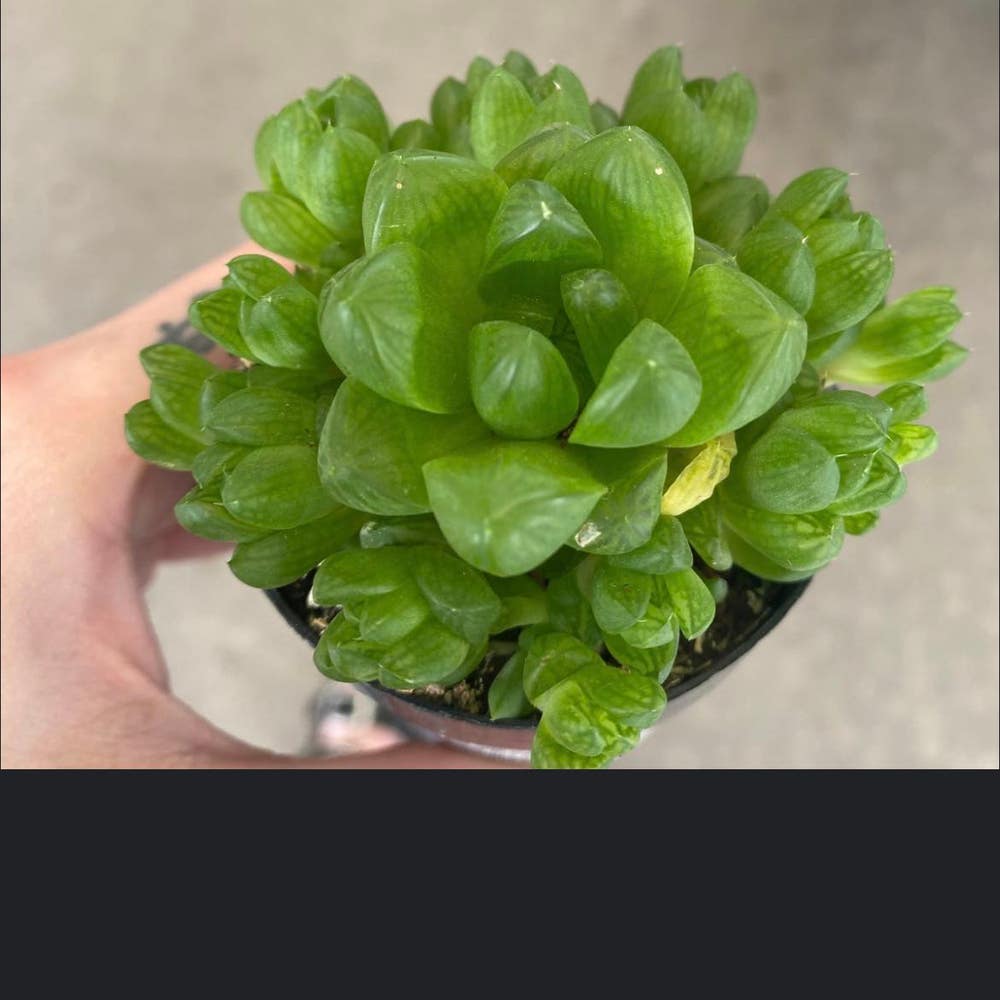
Discoloration is your first visual clue. Healthy Cathedral Window Haworthia leaves boast a vibrant green with translucent tips, resembling stained glass. Mushy leaves, however, may sport unwelcome shades of yellow or brown. If the leaves' edges start to look like they've been dipped in soy sauce, it's a sign of potential rot.
🖐️ Tactile Clues
Get tactile. A healthy leaf will have a firm texture, snapping back when you give it a gentle pinch. If it feels like you're pressing a gummy bear instead of a succulent leaf, that's a mushiness red flag. Leaves should not squish under gentle pressure.
🌱 Plant Behavior
Watch for odd plant posture. A Cathedral Window Haworthia standing tall and proud is a happy one. If it starts to slump or the growth seems stunted, it's signaling distress. Leaves drooping like they've just heard bad news? Time to investigate further.

The Real Culprits Behind Mushy Leaves
💦 Overwatering and Its Effects
Overzealous watering turns Cathedral Window Haworthia leaves into soggy disasters. It's a classic case of too much love; these succulents prefer a drought to a flood. Root rot is the grim reaper here, sneaking in when the roots are more submerged than the city of Atlantis.
🕵️ Recognizing the Aftermath of Overwatering
Post-overwatering, you'll spot leaves that resemble sad, deflated balloons. If the soil is still wet days later, it's a clear sign you've been heavy-handed with the H2O. Mold or fungus on the soil's surface? That's the plant's white flag of surrender to excessive moisture.
🚰 Poor Drainage and Compacted Soil
Well-draining soil isn't a luxury; it's a necessity. Soil that clings to water like a koala to a tree is a no-go. The pot's size and drainage holes matter too—a pot too large is a waterlogged pitfall, and without drainage, you're hosting a root-level pool party.
🌡️ Temperature Stress and Humidity
Humidity and temperature swings can turn leaves to mush faster than a popsicle in the sun. Too much humidity and your plant's leaves give up the ghost. Conversely, low humidity can leave leaves dry and curled, a silent plea for a tropical vibe. Keep the environment as stable as a rock to avoid these issues.

First Aid for Mushy Leaves
🚑 Immediate Steps to Take
When your Cathedral Window Haworthia starts feeling like a squishy mess, pause all watering immediately. Gently take the plant out of its pot to inspect the roots. If they're brown and mushy, it's time to channel your inner surgeon and remove the rot.
🩺 Assessing the Damage
Check the leaves and stems. If they're soft and discolored, they're likely beyond saving. Snip off the damaged parts with sterilized scissors, ensuring you don't spread any potential infection. It's a delicate operation, so keep your hands steady.
🧼 Salvaging the Plant
After the amputation, let your plant dry out. Think of it as a plant ICU, where rest and a dry environment are key to recovery. If a fungus is partying at your plant's expense, introduce a fungicide—but don't overdo it. Follow the label directions like they're a treasure map to plant health. Keep a watchful eye for signs of improvement or further decline, and be ready to adjust your care strategy on the fly.

Keeping Your Haworthia Happy and Healthy
💧 Watering Wisdom
Dry soil is the Cathedral Window Haworthia's best friend. Overwatering is the fast track to mushy leaves, so let the soil completely dry out before you give it another drink. Think of it like a camel—stocking up on water and then thriving in the drought. Indoors, these succulents may only need watering every three weeks; outdoors, a bi-weekly schedule should suffice. Keep the water off the leaves to avoid rot and never let the pot sit in water.
🏡 The Right Home for Your Plant
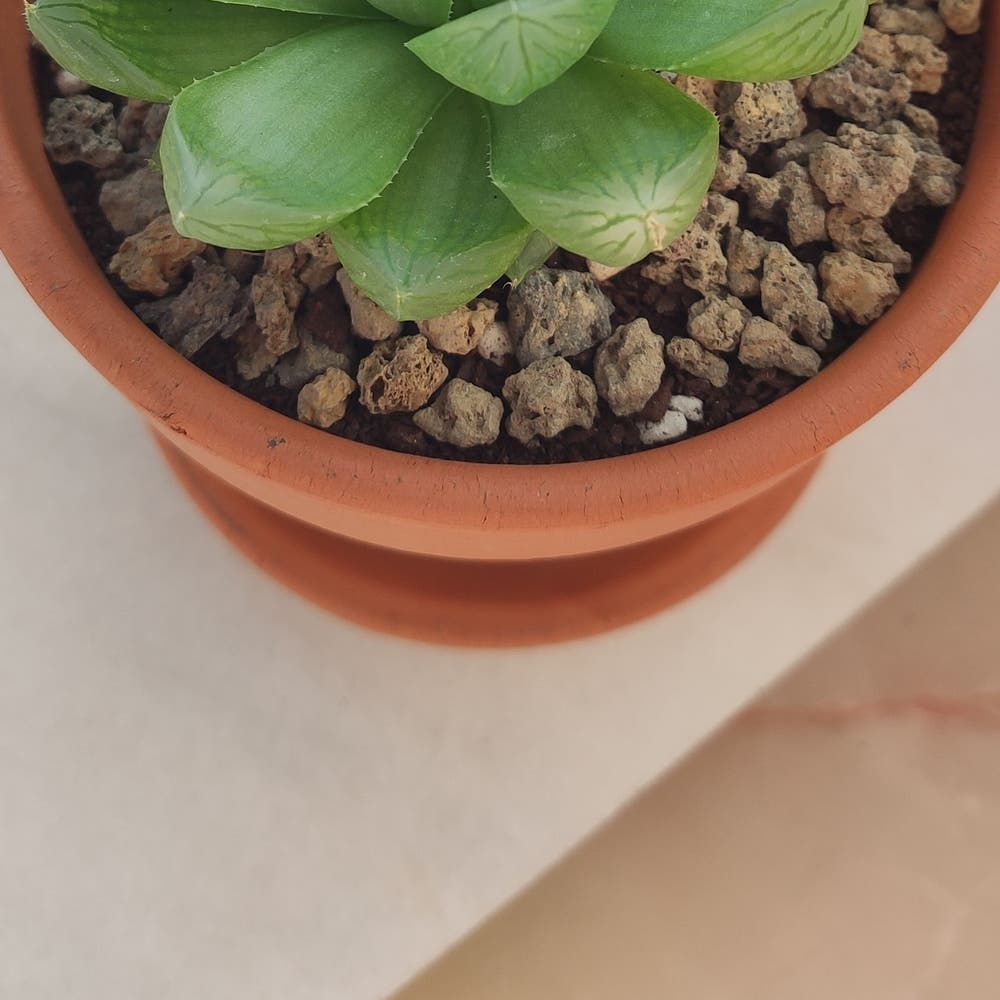
Your Haworthia's pot is its castle—make it a good one. Well-draining soil is non-negotiable. Mix in perlite with cactus soil to create a fluffy, airy bed for your plant's roots. When it comes to the pot, think breathability. Terracotta pots are a classic choice, allowing soil to dry out faster than plastic or glazed ceramic. Remember, no drainage hole is a deal-breaker.
🌿 Environmental Harmony
Craft a microclimate that mimics a Haworthia's natural habitat. These plants are sun worshippers, so bright, indirect light is the holy grail. However, don't let them sunbathe too long; direct afternoon rays can be harsh. Aim for a south-facing window or a spot with morning sun and afternoon shade. Keep the air as dry as the humor here—humidity is the enemy. And temperature? They like it warm, between 70 to 95 °F, but they'll tolerate a chill down to 50 °F. Just don't let them freeze; they're tough but not that tough.
⚠️ Safety First
This content is for general information and may contain errors, omissions, or outdated details. It is not medical, veterinary advice, or an endorsement of therapeutic claims.
Always consult a qualified healthcare professional before using any plant as food, medicine, or supplement.
Never eat any plant (or feed one to pets) without confirming its identity with at least two trusted sources.
If you suspect poisoning, call Poison Control (800) 222-1222, the Pet Poison Helpline (800) 213-6680, or your local emergency service immediately.
Spotted an error? Please report it here.
Keep your Cathedral Window Haworthia thriving, not diving 🌵, with Greg's tailored care reminders that ensure just the right touch of moisture and care.