Why Are My Cathedral Window Haworthia Leaves Droopy?
Haworthia cymbiformis
By the Greg Editorial Team
Jun 18, 2024•5 min read
This article was created with the help of AI so we can cover more plants for you. May contain errors. See one? Report it here.
Say goodbye to droopy Haworthia leaves 🍃 by mastering the art of perfect plant care balance! 🌡️
- Under/overwatering and light issues cause droopy Haworthia leaves.
- Check soil moisture to diagnose and fix droopiness.
- Consistent watering and light keep leaves perky and healthy.
Spotting the Signs: When Your Haworthia Goes Limp
🍂 Identifying Droopy Leaves
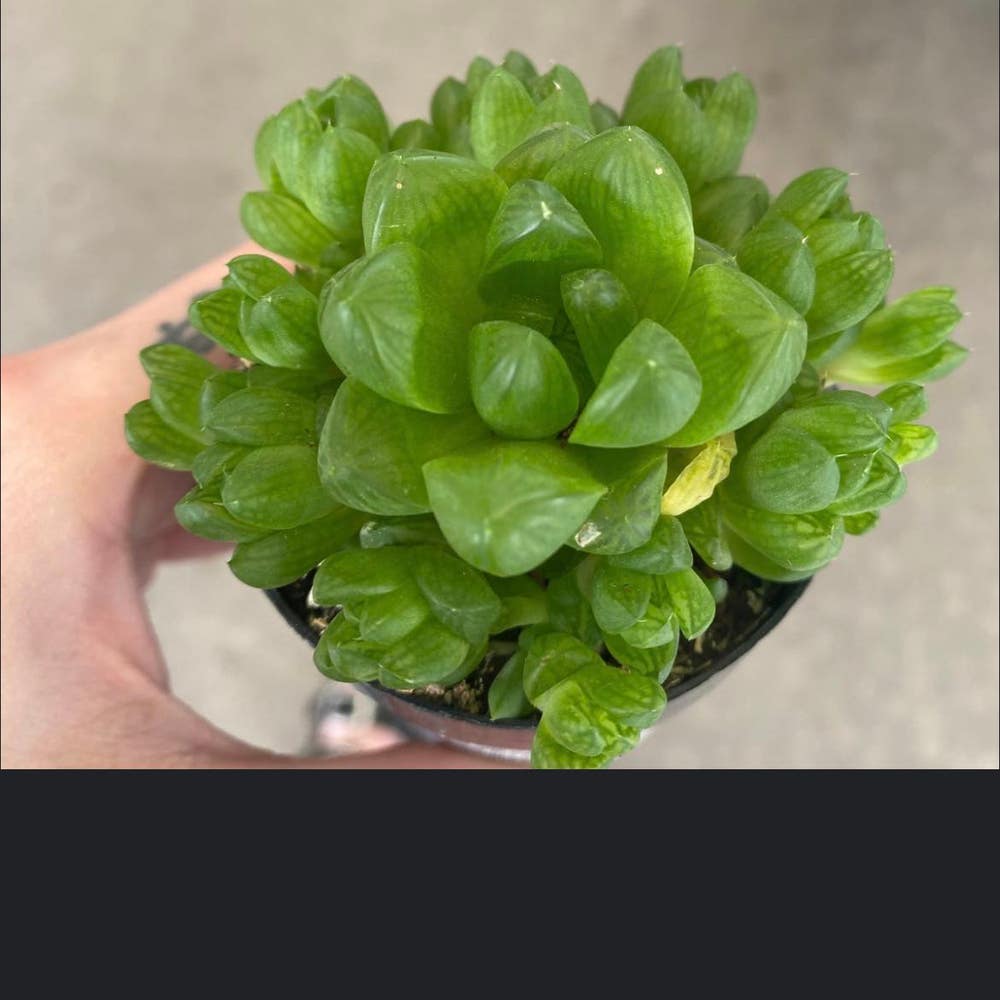
Droopy leaves on a Haworthia are unmistakable: they lack the usual vigor and may appear deflated. It's a stark contrast to the plant's typical firm and upright posture. To differentiate between natural growth and actual droopiness, observe whether the leaves are uniformly limp or if it's just the older, lower leaves bending naturally.
🕵️♂️ Immediate Checks
First, poke the soil. If it's dry, you've likely found the culprit. On the flip side, if it's soggy, you're dealing with overwatering. Next, examine the plant for signs of sunburn, such as discolored or crispy leaves, which suggest too much light. Conversely, a pale color might indicate a lack of sunlight.

The Usual Suspects: Common Culprits of Droopiness
💧 Water Woes: Too Much or Too Little
Underwatering turns your Haworthia into a sad, shriveled shadow of its former self. Leaves may curl inward, become crispy, and take on a grayish hue. On the flip side, overwatering leads to a bloated, mushy plant with yellowing leaves. It's a delicate dance between too dry and waterlogged, and your plant's not shy about showing which step you've missed.
How Improper Watering Affects Leaf Rigidity
When your watering game is off, your Haworthia's leaves lose their firmness. Underwatered leaves droop from dehydration, while overwatered ones become too soft to hold themselves up. It's like trying to stand up in a hammock – without the right tension, you're just going to flop.
🌞 Light and Temperature: Finding the Sweet Spot
Light is the secret sauce for keeping your Haworthia's leaves perky. Too little, and they'll stretch out, reaching for any ray they can find. Too much, and they'll get scorched, like a vampire in daylight. Aim for bright, indirect light – think of it as the plant equivalent of a perfect beach day, sunny but not scorching.
Temperature Fluctuations and Their Impact on Leaf Firmness
Haworthias don't appreciate surprises, especially in temperature. Sudden changes can make leaves go limp faster than a deflated balloon at a birthday party. Keep the environment as stable as a tortoise – not too hot, not too cold, just right.

First Aid for Your Floppy Friend
💧 Adjusting Your Watering Technique
Underwatered Haworthias are like a neglected Tamagotchi—they're silently begging for more attention. If the soil feels like a dry handshake, it's time to show some love. Water deeply until it runs free from the drainage holes, but don't let your plant sit in a puddle. For the overwatered, it's triage time. Stop the deluge, let the soil dry out, and if you're seeing more mush than roots, consider propagation. Remember, the 'soak and dry' method isn't just a catchy phrase—it's your plant's lifeline.
🌞 Balancing Light and Temperature
Finding the ideal spot for your Haworthia is like picking the perfect seat in a movie theater—too close and you're overwhelmed, too far and you miss out. Aim for bright, indirect light; direct sunlight is a no-go. If your plant's leaves are throwing shade by drooping, it might be time to move it away from that scorching window. As for temperature, keep it steady. Dramatic fluctuations are your Haworthia's nemesis, so keep it away from drafty windows and hot radiators.

Keeping Your Haworthia Perky: Prevention Strategies
💧 Watering Wisdom: Creating a Routine
Consistency is key when it comes to watering your Haworthia. To avoid the guesswork, check the soil before watering; it should be completely dry. Depending on your environment, this could mean watering every couple of weeks, or more frequently in warmer climates. In winter, scale back to once a month. Use distilled water, or tap water that's been left to sit, to avoid harmful chemicals. Remember, overwatering is the fast track to a mushy, unhappy plant.
🛠 Tools and Tricks for Consistent Watering
Invest in a moisture meter if you're not confident in the finger-test. It's like a lie detector for your plant's thirst. For a more hands-off approach, consider a self-watering system that can provide moisture at a steady rate. And don't forget, a good drainage system is not just a luxury; it's a necessity for preventing root rot.
🌿 Mastering the Environment
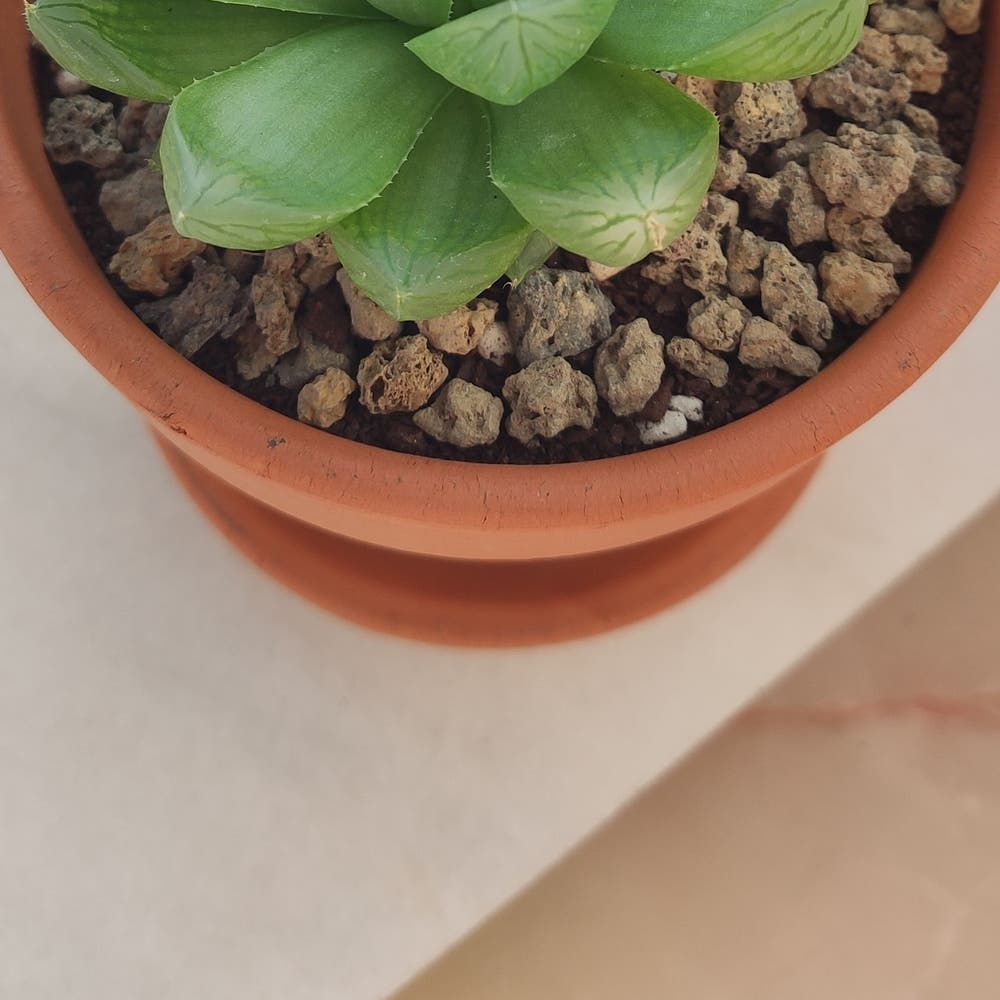
Drainage is your Haworthia's best friend. Ensure your pot has drainage holes and consider a top dressing of stones to keep the leaves dry. Keep your plant in a spot with bright, indirect light—think of it as their personal spa. Too much direct sunlight can lead to a sunburned succulent.
🌡 Monitoring and Adjusting Light and Temperature Conditions
Use a thermometer to keep tabs on the temperature; your Haworthia dislikes extremes as much as you do. If the temperature spikes or dips, move your plant to a more suitable spot. A hygrometer can help you monitor humidity levels, which should be kept on the lower side to prevent fungal issues. Remember, your Haworthia's comfort zone is similar to yours, so if you're comfortable, they likely are too.
⚠️ Safety First
This content is for general information and may contain errors, omissions, or outdated details. It is not medical, veterinary advice, or an endorsement of therapeutic claims.
Always consult a qualified healthcare professional before using any plant as food, medicine, or supplement.
Never eat any plant (or feed one to pets) without confirming its identity with at least two trusted sources.
If you suspect poisoning, call Poison Control (800) 222-1222, the Pet Poison Helpline (800) 213-6680, or your local emergency service immediately.
Spotted an error? Please report it here.
Revive your Haworthia's droopy leaves by letting Greg customize your watering schedule 📅, ensuring the perfect balance of moisture and light for your succulent's health.