Diagnosing Cathedral Window Haworthia Root Rot
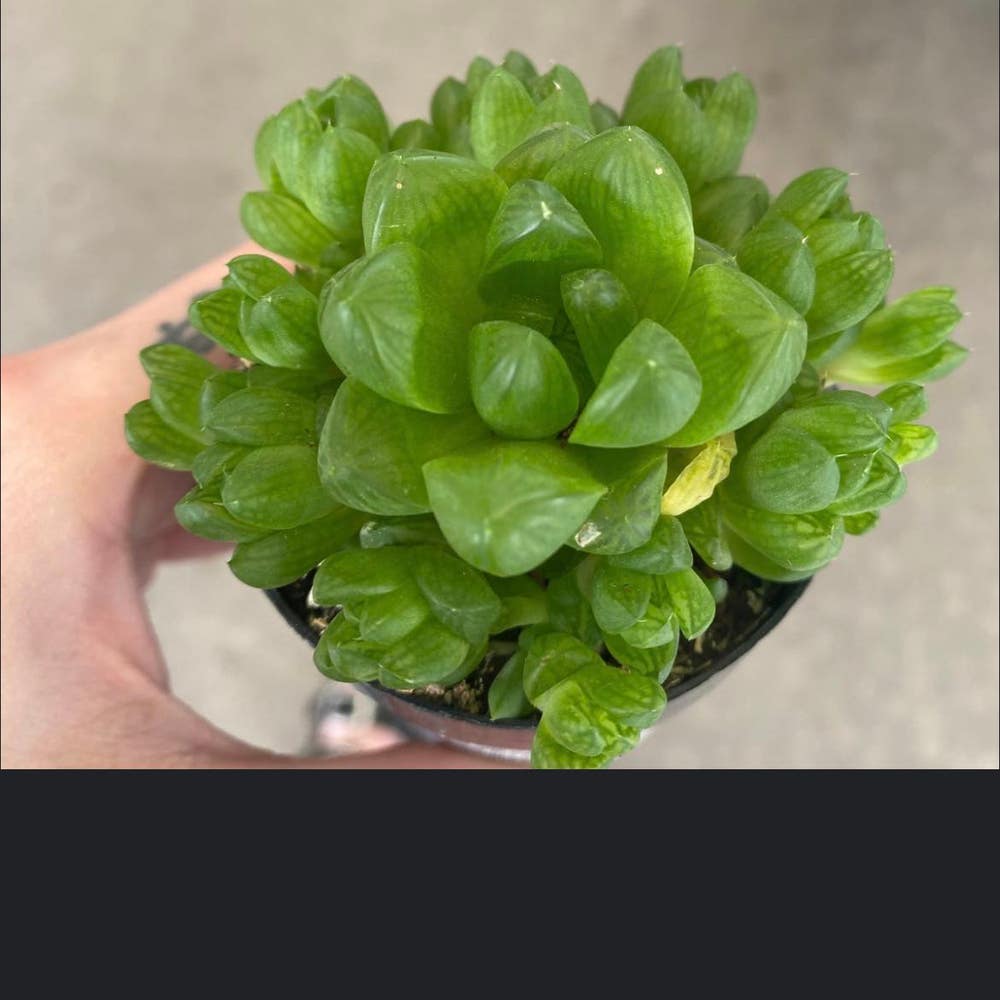
Haworthia cymbiformis
By the Greg Editorial Team
Jun 18, 2024•3 min read
This article was created with the help of AI so we can cover more plants for you. May contain errors. See one? Report it here.
Stop root rot in its tracks 🛑 and keep your Haworthia healthy with this must-know diagnosis and rescue guide. 🌿
- Yellow leaves and mushy roots signal root rot in Cathedral Window Haworthia.
- Overwatering and poor drainage are prime culprits for the condition.
- Prune and repot with well-draining soil to treat and prevent recurrence.
Spotting the Red Flags: Symptoms of Root Rot
💛 Yellowing or Wilting Leaves
When leaves yellow or wilt, it's not just a bad leaf day—it's a distress signal. This discoloration and droopiness can be the early warnings of root rot, so take note.
🍄 Mushy and Discolored Roots
Below the soil, a horror story unfolds with mushy, discolored roots. They're the telltale signs of decay, and they're not to be ignored. Healthy roots don’t squish; they stand their ground.
🌱 Stunted Growth and Foul Smell
If your plant’s growth has hit a wall and there's a foul smell in the air, it's not just a case of bad plant breath. These are potential root issues calling for your attention.

Getting to the Root of the Problem: Causes of Root Rot
💦 Overzealous Watering
Overwatering is like a helicopter parent for plants; it smothers with too much attention. Cathedral Window Haworthia, despite your best intentions, can't handle the helicopter treatment. They need a drink only when their soil feels like a dry handshake—not before.
🕳️ The Drainage Dilemma
Inadequate drainage is the silent partner in crime to overwatering. If your pot's as watertight as a submarine, you're setting up a swimming pool for roots, not a home. Ensure your pot has more holes than a plot in a bad mystery novel to keep those roots breathing easy.

The Root Rot Detective: How to Diagnose
🔍 Soil Sleuthing
Dive into the soil's secrets. A finger test should reveal a firm, not soggy, truth. A swampy smell? Bad news. It's time for a root intervention.
🌱 Root Review
Gently lift your plant and shake off excess dirt. Healthy roots boast a white, sturdy appearance. Brown, mushy, or smelly? Snip the rot with sterilized precision.

Turning the Tide: Treating and Preventing Root Rot
🏥 Surgical Root Rescue
Prune the rot, don't mourn it. Snip away dark, mushy roots with sterilized shears. It's like giving your plant a haircut, only this time it's a matter of life and death.
🌬️ Drying Out and Starting Over
After the amputation, let the plant's wounds air out. Repot in fresh, well-draining soil to give it a new lease on life. Think of it as moving day for your plant's roots.
💧 Watering Wisely
Water is life, but too much is a death sentence. Let the top inch of soil dry out before watering again. Overwatering is the express lane to root rot city.
🏡 Choosing the Right Home
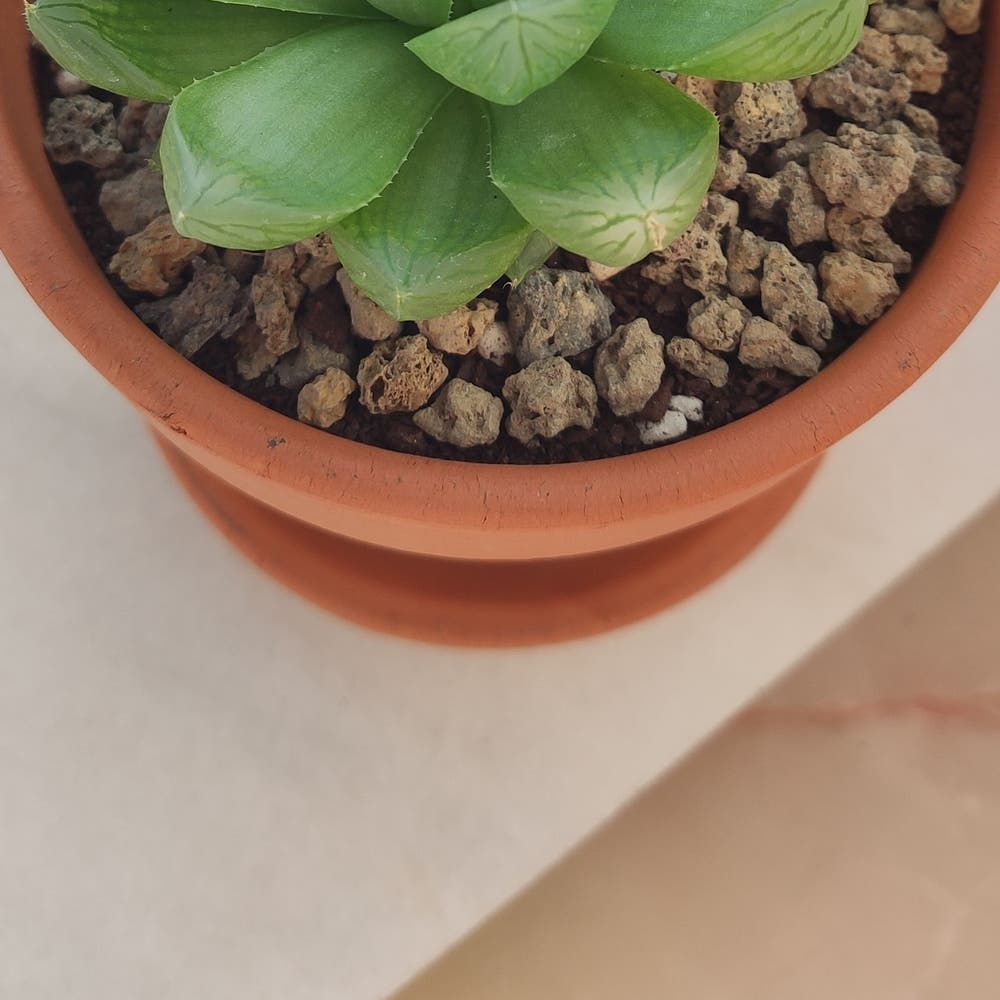
Pots with drainage holes are non-negotiable. Terracotta breathes better than most, helping to keep roots dry. Double potting is a clever trick for those decorative pot lovers out there.
⚠️ Safety First
This content is for general information and may contain errors, omissions, or outdated details. It is not medical, veterinary advice, or an endorsement of therapeutic claims.
Always consult a qualified healthcare professional before using any plant as food, medicine, or supplement.
Never eat any plant (or feed one to pets) without confirming its identity with at least two trusted sources.
If you suspect poisoning, call Poison Control (800) 222-1222, the Pet Poison Helpline (800) 213-6680, or your local emergency service immediately.
Spotted an error? Please report it here.
Keep your Cathedral Window Haworthia thriving 🌟 with Greg's soil moisture monitoring and custom watering reminders, ensuring you never overwater again.