🚤 What is a Boat-Leaf Haworthia? Complete Guide
Haworthia cymbiformis
By the Greg Editorial Team
Feb 02, 2025•10 min read
This article was created with the help of AI so we can cover more plants for you. May contain errors. See one? Report it here.
Discover the beauty of Boat-Leaf Haworthia 🌿, a low-maintenance succulent that thrives with simple care and brightens any space!
- 🌞 Bright, indirect light is essential for optimal growth of Boat-Leaf Haworthia.
- 🌱 Well-draining soil prevents root rot; aim for pH 6.0 to 7.0.
- 🐾 Non-toxic to pets, making it a safe choice for homes with animals.
How to Grow
Choosing the Right Location 🌞
To thrive, Boat-Leaf Haworthia needs bright, indirect light. This lighting condition mimics its natural habitat, promoting optimal growth without the risk of sunburn.
Temperature also plays a crucial role. Aim for a comfortable range of 20°C to 30°C (68°F to 86°F) to keep your plant happy and healthy.
Soil Preparation 🪴
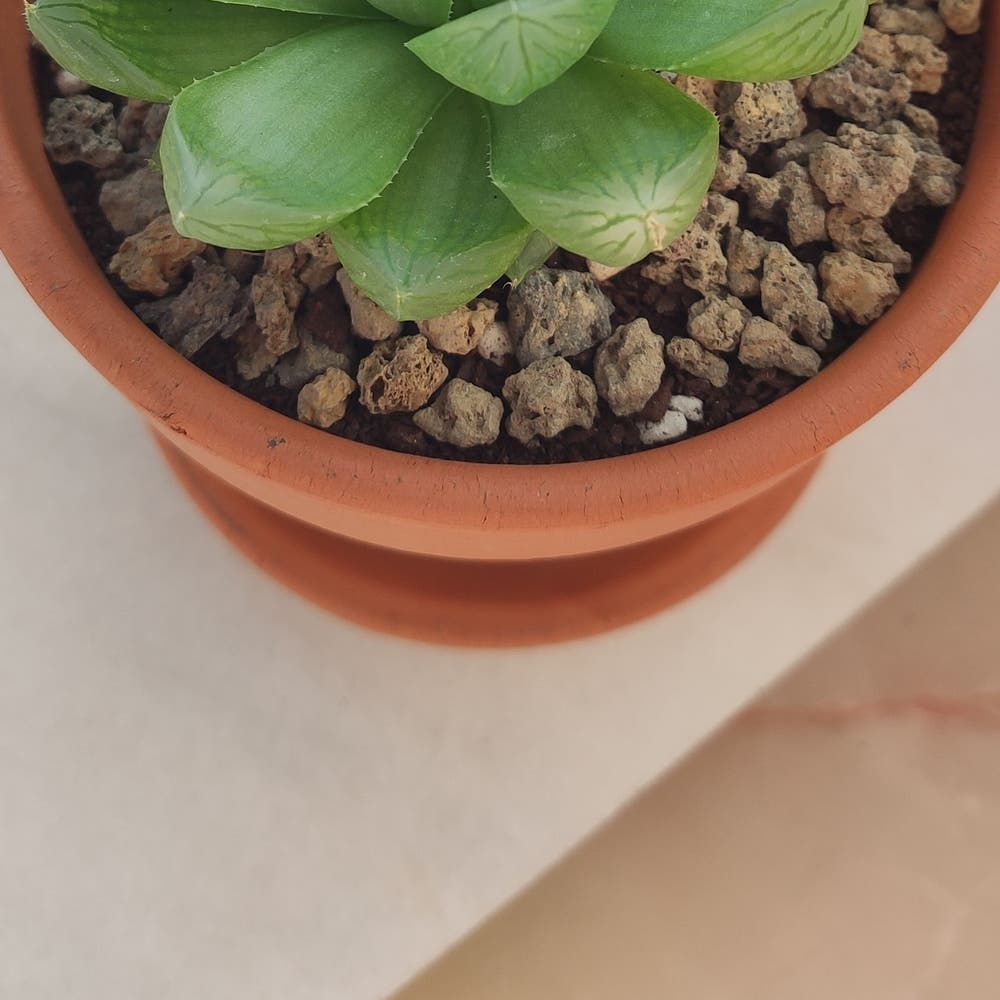
Selecting the right soil is essential for your Haworthia's success. A well-draining succulent mix is recommended to prevent water retention that can lead to root rot.
Additionally, pay attention to soil pH. A slightly acidic to neutral pH level (6.0 to 7.0) is ideal for promoting healthy growth.
Planting Techniques 🌱
When planting, spacing is key. Position your plants 6-12 inches apart to ensure adequate airflow, which helps prevent fungal diseases.
Also, be mindful of planting depth. The base of the leaves should sit above the soil level to avoid rot and encourage healthy growth.
Watering Guidelines 🚰
Watering is one of the most critical aspects of care. Allow the soil to dry out completely between waterings to prevent overwatering.
When you do water, do so thoroughly until it drains from the bottom. This ensures that the roots receive adequate moisture without sitting in water.
Fertilizing Schedule 🍽️
For a thriving Boat-Leaf Haworthia, use a balanced, diluted succulent fertilizer. This type of fertilizer provides essential nutrients without overwhelming the plant.
Timing is also important; fertilize every 4-6 weeks during the growing season, which typically spans spring and summer.
Pruning and Ongoing Care ✂️
Regular maintenance is vital for your plant's health. Remove any dead or damaged leaves promptly to encourage new growth and prevent disease.
Keep an eye out for signs of stress or disease. Early detection can make a significant difference in your plant's recovery and overall health.
With these guidelines, you’re well on your way to cultivating a flourishing Boat-Leaf Haworthia. Next, let’s explore how to propagate this resilient succulent for even more greenery!
Propagation
🌿 Leaf Cuttings Method (Difficulty: Moderate)
Propagation through leaf cuttings is a rewarding way to expand your Boat-Leaf Haworthia collection. Start by selecting healthy, mature leaves that are plump and vibrant.
Next, use a sterile knife to make a clean cut. This helps prevent infection and ensures the best chance for rooting. After cutting, allow the leaves to dry out for 1-2 days. This drying period, or callousing, is crucial as it helps prevent rot when you plant them.
✂️ Offsets Division Method (Difficulty: Easy)
Offsets division is one of the simplest methods to propagate your Haworthia. Begin by identifying offsets, which are small plants that grow at the base of the parent plant.
Gently twist or cut the offsets away from the main plant. Be careful not to damage the roots. Once separated, replant them in well-draining soil and water lightly to encourage growth.
🌱 Seed Propagation (Difficulty: Hard)
For those looking for a challenge, seed propagation can be an exciting option. Start by obtaining seeds from mature flowers of your Boat-Leaf Haworthia.
Create a warm, moist environment with indirect light for germination. Typically, you can expect germination to occur within 2-4 weeks, but patience is key as this method requires more time and care.
With these propagation methods, you can easily multiply your Haworthia and enjoy the beauty of these unique plants in various locations. Next, let’s explore the size characteristics of the Boat-Leaf Haworthia and what to expect as it matures.
Size
Mature Height and Spread 🌱
The Boat-Leaf Haworthia typically reaches a mature height of 6 to 12 inches. Its spread also falls within the same range, depending on the growing conditions it experiences.
Growth Rate and Size Variability 📈
This succulent takes about 2 to 3 years to reach its full size. Factors such as light, water, and soil quality can significantly influence its growth rate and overall size.
Understanding these aspects will help you create the ideal environment for your Boat-Leaf Haworthia, ensuring it thrives beautifully in your space. Next, let’s explore the roots of this fascinating plant and their characteristics.
Roots
Characteristics of the Root System 🌱
The Boat-Leaf Haworthia features a fibrous root system that is both shallow and widespread. This structure allows the plant to efficiently absorb moisture and nutrients from the soil while preventing it from becoming too deep-rooted.
Common Root-Related Issues ⚠️
Root rot is a significant concern for this succulent, primarily caused by overwatering. When the roots become mushy, it indicates that the plant is suffering from excess moisture, which can lead to its demise.
Another common issue is being rootbound, which occurs when the roots fill the container. This restriction can stunt growth and lead to stress for the plant.
Visual Cues for Healthy vs. Unhealthy Roots 👀
Healthy roots are typically firm and exhibit a white or light tan color. In contrast, unhealthy roots may appear dark, mushy, or even emit a foul smell, signaling that immediate action is needed.
By keeping an eye on these root characteristics, you can ensure your Boat-Leaf Haworthia remains healthy and thriving. If you notice any signs of distress, addressing the root issues promptly will help maintain its vitality.
Next, let's explore the benefits of growing this unique succulent.
Benefits
Aesthetic Appeal and Decorative Use 🌿
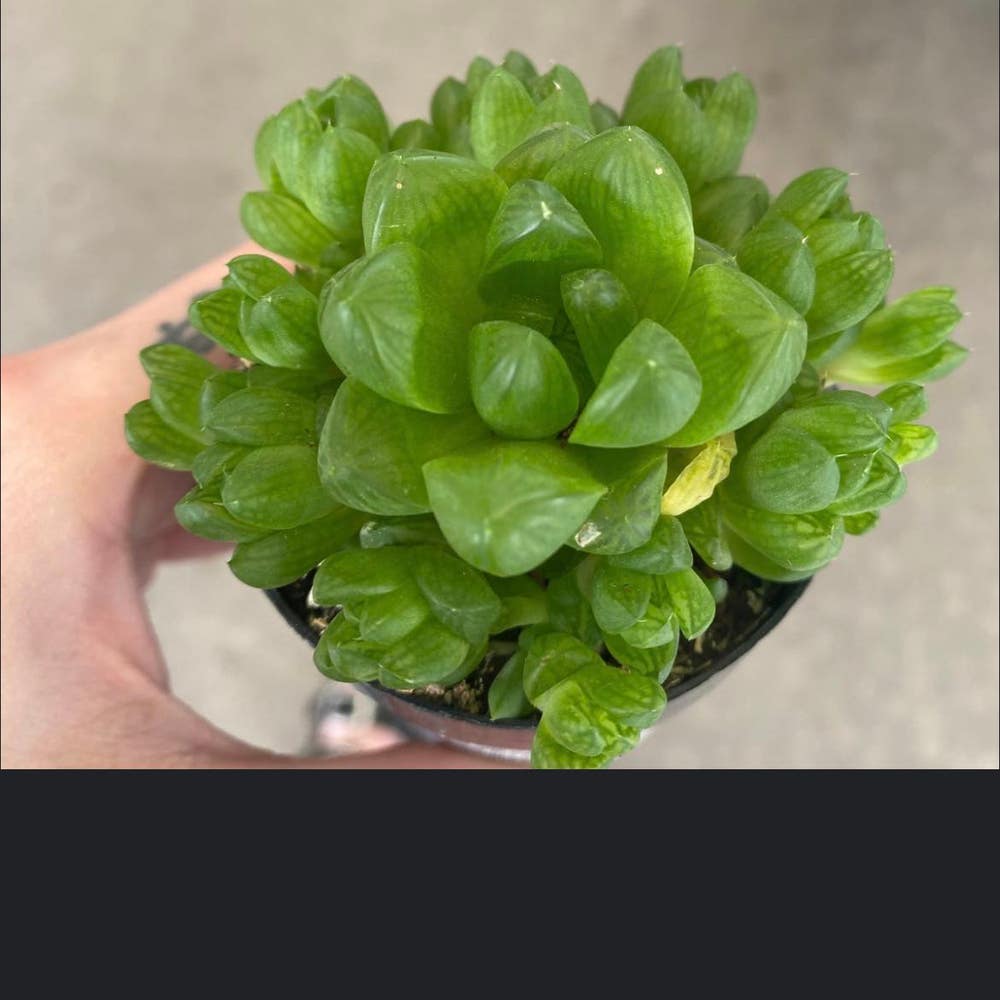
Boat-Leaf Haworthia is a stunning addition to any home or garden. Its unique shape and vibrant green color make it a versatile design element, enhancing both modern and traditional spaces.
Air Purification Properties 🌬️
This succulent not only beautifies your surroundings but also contributes to improved indoor air quality. By absorbing toxins and releasing oxygen, it creates a healthier living environment.
Low Maintenance Requirements 🧘♀️
For those with busy lifestyles or novice gardening skills, Boat-Leaf Haworthia is an ideal choice. Its low maintenance needs mean you can enjoy its beauty without the stress of constant care.
Symbolism in Various Cultures 🌍
In many cultures, this plant symbolizes resilience and adaptability. Its ability to thrive in harsh conditions reflects a spirit of perseverance, making it a meaningful addition to your plant collection.
Therapeutic Benefits of Gardening with Succulents 🌱
Caring for succulents like Boat-Leaf Haworthia can provide significant stress relief. Engaging with plants fosters mental well-being, offering a calming escape from daily pressures.
As you explore the benefits of this remarkable plant, consider how it can enhance your space and well-being. Next, let’s dive into the world of companion plants that thrive alongside Boat-Leaf Haworthia.
Companion Plants
🌱 Explanation of Companion Planting Benefits
Companion planting is a fantastic way to enhance your garden's diversity. It not only promotes healthier plants but also helps manage pests naturally.
🌼 Best Companion Plants
When it comes to Boat-Leaf Haworthia, consider pairing it with other succulents, cacti, and drought-tolerant plants. These companions thrive in similar conditions, ensuring a harmonious garden environment.
🚫 Plants to Avoid
Steer clear of plants that require high moisture or heavy feeding. These can compete for resources and create an unhealthy growing environment for your Haworthia.
By choosing the right companions, you can create a thriving ecosystem that benefits all your plants. This thoughtful approach not only beautifies your space but also simplifies care routines.
Toxicity to Humans
When it comes to the Boat-Leaf Haworthia, you can breathe easy. This plant is not listed as toxic by major poison control centers, making it a safe choice for your home.
However, it's worth noting that consuming large quantities may lead to mild skin irritation or digestive discomfort. Always exercise caution with any plant, and if you experience unusual symptoms, seek medical advice promptly.
By keeping these considerations in mind, you can enjoy the beauty of your Boat-Leaf Haworthia without worry. Now, let's explore how this plant interacts with our furry friends!
Toxicity to Dogs
When it comes to the Boat-Leaf Haworthia, you can breathe easy. This plant is not listed as toxic by major pet poison control centers, making it a safe choice for dog owners.
However, it's important to note that if your furry friend munches on a large quantity, they might experience mild gastrointestinal upset. To keep your curious pets safe, consider placing the plant out of their reach.
By taking these simple precautions, you can enjoy the beauty of your Boat-Leaf Haworthia without worrying about your dog's health. Now that you know it's safe, let’s explore how to keep your plant thriving!
Toxicity to Cats
Boat-Leaf Haworthia is not considered toxic by major pet poison control centers. This makes it a safe choice for cat owners who want to add some greenery to their homes.
However, if your cat decides to nibble on this succulent, there could be minor issues. Eating large quantities may lead to mild gastrointestinal upset, so it's best to monitor their behavior.
To keep your feline friends safe, consider placing your Haworthia in elevated or otherwise inaccessible areas. This simple step can help prevent any unwanted snacking while still allowing you to enjoy the beauty of your plant.
By ensuring proper placement, you can cultivate a thriving indoor garden without worrying about your cat's health. With a little care, both your plants and pets can coexist happily!
Problems
🌱 Common Problems with Boat-Leaf Haworthia
Growing Boat-Leaf Haworthia can be rewarding, but it’s not without its challenges. Understanding common problems can help you keep your plant thriving.
🚰 Incorrect Watering
Watering is a crucial aspect of care. Overwatering can lead to mushy leaves and root rot, while underwatering may cause the leaves to shrivel and become crispy.
💡 Incorrect Light Conditions
Light plays a vital role in the health of your plant. Insufficient light can result in leggy growth, while too much direct sunlight can scorch the leaves, leading to unsightly brown patches.
🦠 Diseases
Fungal diseases can pose a threat to your Haworthia. Watch for signs of powdery mildew or black rot, which can spread quickly if not addressed.
🌿 Root Problems
Root health is essential for overall plant vitality. Root rot often occurs due to overwatering, while a rootbound plant may struggle to grow if its roots fill the container.
By keeping an eye on these common issues, you can ensure your Boat-Leaf Haworthia remains healthy and vibrant. Next, let’s explore the pests that might invade your plant and how to manage them effectively.
Bugs
Common Pests 🐜
Boat-Leaf Haworthia can attract a few unwelcome guests.
Spider Mites are tiny, often invisible to the naked eye. They create fine webbing and cause leaves to appear stippled or discolored.
Scale Insects look like small, brownish bumps on the leaves. They suck sap from the plant, leading to yellowing and stunted growth.
Mealybugs are cottony white pests that cluster in leaf joints. They can weaken the plant by draining its nutrients and may lead to sooty mold.
Effective Treatment Options 🧴
Dealing with pests doesn't have to be daunting.
Neem oil is a natural option that disrupts the life cycle of these pests. Just mix it with water and spray it on affected areas.
Insecticidal soap is another effective treatment. It suffocates pests on contact and is safe for your plant.
Regularly inspecting your Boat-Leaf Haworthia can help catch these issues early. With prompt action, you can keep your plant thriving and pest-free.
Next, let’s explore what eats Boat-Leaf Haworthia and how to deter these garden intruders.
What Eats Boat-Leaf Haworthia
🦌 Common Garden Animals
Boat-Leaf Haworthia can attract a few garden critters that might find them tasty.
Deer are known to nibble on these plants, leaving behind telltale signs like chewed leaves and broken stems. If you notice these signs, it’s a clear indication that deer are visiting your garden.
Rabbits also enjoy munching on Haworthia. Look for clean cuts on the leaves and droppings nearby, which are signs of their presence.
Squirrels can be a bit more mischievous, often digging around the base of the plants. Their activity can lead to uprooted plants and disturbed soil.
🚫 Deterrent Methods
To protect your Boat-Leaf Haworthia from these hungry visitors, consider using both chemical and organic deterrent methods.
Chemical repellents can be effective, but always follow the instructions carefully to avoid harming your plants.
On the other hand, organic methods like sprinkling cayenne pepper or using garlic spray can deter animals without introducing harsh chemicals into your garden.
By employing these strategies, you can keep your Haworthia safe and thriving. Now, let’s explore how to ensure your plant remains healthy and vibrant!
⚠️ Safety First
This content is for general information and may contain errors, omissions, or outdated details. It is not medical, veterinary advice, or an endorsement of therapeutic claims.
Always consult a qualified healthcare professional before using any plant as food, medicine, or supplement.
Never eat any plant (or feed one to pets) without confirming its identity with at least two trusted sources.
If you suspect poisoning, call Poison Control (800) 222-1222, the Pet Poison Helpline (800) 213-6680, or your local emergency service immediately.
Spotted an error? Please report it here.
Nurture your Boat-Leaf Haworthia to thriving heights 🌱 with Greg's tailored care reminders and expert tips that keep your succulent happy and healthy!