⚠️ Why Does My Cathedral Window Haworthia Have Yellow Leaves?
Haworthia cymbiformis
By the Greg Editorial Team
Jun 18, 2024•4 min read
This article was created with the help of AI so we can cover more plants for you. May contain errors. See one? Report it here.
Unveil the secrets to reviving your Haworthia's yellow leaves back to lush green 🌿—a sign of true plant prowess!
- Yellow leaves signal aging or stress, with patchy yellowing often indicating stress.
- Balance watering and light to prevent yellowing from over/underwatering and improper sun exposure.
- Act swiftly against pests using insecticidal soap or neem oil to prevent yellow leaves.
Spotting the Signs: Yellow Leaves on Your Haworthia
🚨 Identifying Yellow Leaves
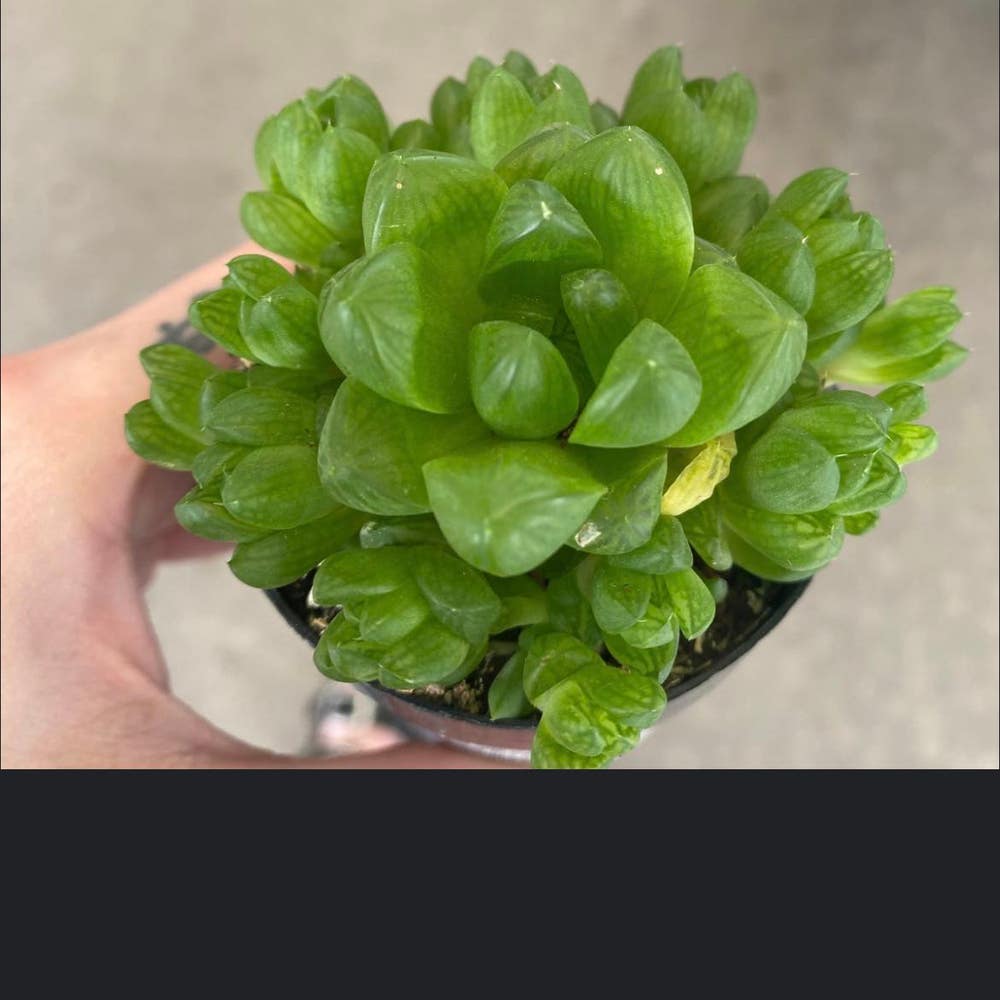
Yellow leaves on your Haworthia can be a red flag. Look for leaves that have lost their vibrant green hue, showing signs of yellowing. Patterns matter; uniform yellowing could signal aging, while patchy discoloration often points to stress.
🔄 Differentiating Aging from Stress
Older leaves naturally yellow as they age. If it's just the lower leaves turning yellow and they're shedding naturally, it's likely not a cause for alarm. However, if multiple leaves or young leaves are yellowing, your plant may be crying out for help.
🌡 Assessing Plant Health
Check for other distress signals: are the leaves dry or mushy? Is there any growth stunting? These symptoms, coupled with yellow leaves, can indicate more serious issues.
⚠️ When to Worry
Concern kicks in when yellowing is accompanied by other symptoms like leaf drop, stunted growth, or a general lack of vitality. If your Haworthia's leaves are more yellow than a school bus, it's time to play plant detective.

Digging into the Causes: Why Are the Leaves Turning Yellow?
💧 Too Much Water: The Dangers of Overwatering
Overwatering is a common misstep that can lead to your Haworthia's leaves turning a sickly yellow. The plant's roots need a chance to breathe, and too much water drowns them, leading to root rot. Soggy soil is a telltale sign you're loving your plant a little too hard with the watering can.
🏜️ Not Enough Water: The Underwatering Balance
Conversely, underwatering can stress your Haworthia, causing leaves to yellow as a cry for help. If the soil feels like the Sahara and leaves are wilting, it's time to quench your plant's thirst. Remember, a balance is key; Haworthia likes to dry out between waterings, but not turn into a desert.
🌞 Sun Exposure: Finding the Sweet Spot
Cathedral Window Haworthia enjoys a good sunbath but in moderation. Direct, scorching sunlight can bleach leaves yellow, while too little light leaves them craving that solar-powered chlorophyll. Aim for a Goldilocks zone of bright, indirect light where your Haworthia can bask without baking.
🛡️ Fighting Off Invaders: Disease and Pests
Yellow leaves can also signal an invasion by pests or disease. Mealybugs and spider mites are the usual suspects, turning leaves yellow as they drain the life out of them. Keep an eye out for these tiny terrors and act swiftly with insecticidal soap or neem oil to show them the door.

Turning Over a New Leaf: Solutions for Yellowing
💧 Fine-Tuning Your Watering Technique
Watering is more art than science. If you're dealing with overwatering, it's time to let the soil dry out. Stick your finger in the soil; if the top inch feels like a wrung-out sponge, hold off on the H2O. For underwatered Haworthias, give them a thorough drink, ensuring the water reaches the roots. Remember, these succulents like a drought between showers.
Tools like moisture meters can take the guesswork out of watering. Use them to check the soil's moisture level before you decide to water or wait.
🌅 Creating the Ideal Light Environment
Haworthias don't need a sunbath. They prefer a gentle glow. If your plant's leaves are screaming yellow, they might be getting too much direct sunlight. Move them to a spot with bright, indirect light. Think of it as putting on sunglasses; they still see the sun but without the glare.
Shades or light-diffusing curtains can help protect your plant from harsh rays. If you're tech-savvy, a grow light with a timer can give your Haworthia the perfect amount of faux sun.
🐜 Tackling Disease and Pest Problems
Pests and diseases are like uninvited guests at a party. If you spot any, it's time to show them the door. Use insecticidal soaps or a dab of rubbing alcohol to evict pests. For diseases, remove affected areas and adjust your care routine to prevent future outbreaks.
Preventative measures include regular inspections and keeping your Haworthia away from plant pals that might harbor pests. Quarantine new plants before introducing them to your collection to avoid any unwelcome hitchhikers.

⚠️ Safety First
This content is for general information and may contain errors, omissions, or outdated details. It is not medical, veterinary advice, or an endorsement of therapeutic claims.
Always consult a qualified healthcare professional before using any plant as food, medicine, or supplement.
Never eat any plant (or feed one to pets) without confirming its identity with at least two trusted sources.
If you suspect poisoning, call Poison Control (800) 222-1222, the Pet Poison Helpline (800) 213-6680, or your local emergency service immediately.
Spotted an error? Please report it here.
Revive your Haworthia's vibrancy by letting Greg pinpoint stress signs and tailor a watering schedule 🌱 that prevents yellow leaves and promotes health.