⛵ All About Boat-formed Haworthia: Essential Facts
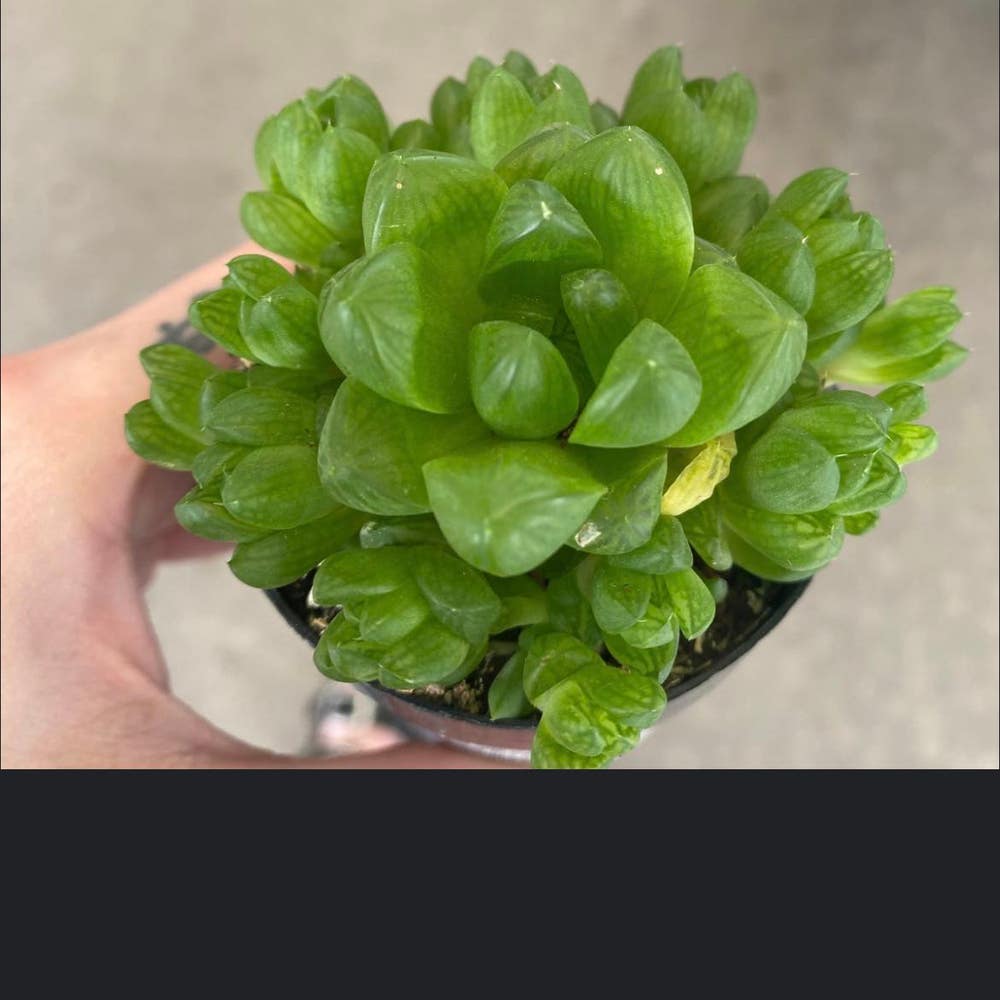
Haworthia cymbiformis
By the Greg Editorial Team
Feb 02, 2025•11 min read
This article was created with the help of AI so we can cover more plants for you. May contain errors. See one? Report it here.
Elevate your home with the resilient Boat-formed Haworthia, a stunning plant that thrives on neglect! 🌿
- 🌞 Boat-formed Haworthia thrives in bright, indirect sunlight and prefers 15°C to 30°C temperatures.
- 🌱 Use well-draining soil with a pH of 6.0 to 7.0 for optimal growth.
- 💧 Water only when soil is dry to prevent root rot and ensure healthy growth.
How to Grow
Choosing a Location 🌞
To thrive, Boat-formed Haworthia needs bright, indirect sunlight. Aim for a temperature range of 15°C to 30°C (59°F to 86°F) to keep your plant happy and healthy.
Soil Preparation 🏜️
Opt for a well-draining cactus mix or sandy loam to provide the right environment. The ideal pH level for the soil should be between 6.0 and 7.0 to promote optimal growth.
Planting Techniques 🌱
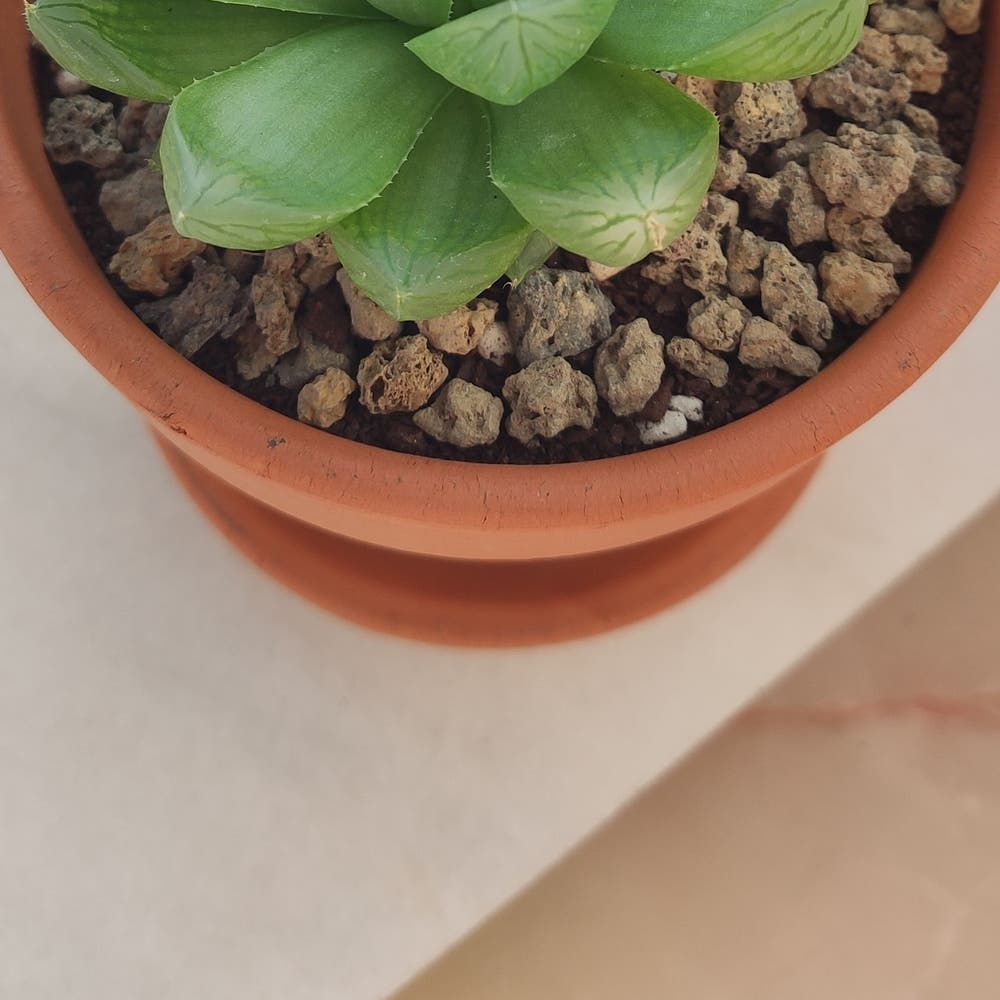
When planting, ensure the base of the leaves sits above soil level. Always use pots with drainage holes to prevent water accumulation and root rot.
Watering Requirements 🚰
Water your Haworthia only when the soil has completely dried out. Watch for signs of overwatering, such as yellowing leaves or a mushy texture, which indicate that adjustments are needed.
Fertilizing Schedule 🍽️
During the growing season, fertilize every 4-6 weeks. A diluted cactus fertilizer works best to provide essential nutrients without overwhelming the plant.
Pruning and Ongoing Care ✂️
Regularly prune by removing any dead or damaged leaves to encourage new growth. Dusting the leaves is also crucial for photosynthesis, helping your plant absorb sunlight efficiently.
Outdoor vs. Container Growing 🌍
Container growing offers mobility and better control over conditions, making it easier to manage your plant's needs. If you choose outdoor growing, ensure your Haworthia is protected from extreme weather to thrive.
With these tips, you can create the perfect environment for your Boat-formed Haworthia, ensuring it flourishes beautifully. Next, let’s explore how to propagate this resilient plant for even more greenery in your space!
Propagation
Leaf Cuttings (Difficulty: Moderate) 🌿
To propagate Boat-formed Haworthia through leaf cuttings, start by selecting healthy, mature leaves. Look for plump leaves that show no signs of damage.
After cutting, allow the leaves to dry and callous for 1-2 days. This step is crucial as it helps prevent rot when you plant them.
Offsets Division (Difficulty: Easy) 🌱
Offsets are small plants that grow at the base of the main plant. Identifying these offsets is straightforward; they typically appear as little rosettes.
To propagate using offsets, gently separate them from the main plant. Replant them in their own pots, ensuring they have enough space to grow.
Seed Propagation (Difficulty: Hard) 🌾
For those looking for a challenge, seed propagation is an option. Start by sourcing seeds from reputable suppliers to ensure quality.
Germination requires a warm, moist environment with indirect light. Be patient, as this method can take longer than others, but the results are rewarding.
With these propagation techniques, you can expand your collection of Boat-formed Haworthia and share the joy of these unique plants with others. Next, let’s explore the lifecycle of this fascinating succulent.
Lifecycle
🚀 Lifecycle Stages
Boat-formed Haworthia is a perennial plant, meaning it lives for several years, unlike annuals that complete their life cycle in one season. Seeds typically germinate within 2-4 weeks, marking the beginning of their lifecycle.
🌱 Seedling Development
Once germinated, seedlings exhibit small, fleshy leaves that develop as they grow. This stage is crucial for establishing a strong foundation for future growth.
📈 Growth Patterns
Growth is generally slow and steady, requiring patience from the gardener. Over time, the plant will gradually increase in size, showcasing its unique form.
🌼 Flowering Time
Flowering usually occurs in late summer, adding a delightful touch to your plant collection. The blooms can be a rewarding sight after nurturing the plant through its growth stages.
⏳ Lifespan and Maturity
Boat-formed Haworthia has an average lifespan of 5-10 years, reaching maturity in about 2-3 years. This longevity makes it a reliable companion for plant enthusiasts.
As you cultivate your Boat-formed Haworthia, understanding its lifecycle will help you provide the best care. Next, let’s explore how to effectively propagate this resilient plant.
Size
Mature Dimensions 🌱
Boat-formed Haworthia typically reaches a mature height of 10-15 cm (4-6 inches) and spreads out to about 15-20 cm (6-8 inches). This compact size makes it an excellent choice for small spaces or as part of a succulent collection.
Growth Rate and Size Variability 📈
These plants grow slowly, with their growth rate largely influenced by light and water conditions. Size can also vary based on the pot size and the care they receive, so providing optimal conditions can lead to a more robust plant.
In summary, understanding the size and growth characteristics of Boat-formed Haworthia helps you set realistic expectations for your plant's development. With the right care, you can enjoy this unique succulent for years to come.
Next, let's explore the fascinating lifecycle of Boat-formed Haworthia and how it evolves over time.
Roots
Root System Characteristics 🌱
Boat-formed Haworthia features a fibrous root system that is essential for its stability and nutrient absorption. These roots are typically shallow and spread out, allowing the plant to efficiently gather moisture and nutrients from the soil.
Common Root-related Issues ⚠️
One of the most common problems faced by Haworthia owners is root rot, which occurs due to overwatering and poor drainage. Signs of unhealthy roots include dark, mushy textures, indicating that the plant is in distress.
Healthy roots should be firm and exhibit a white or light tan color. If you notice roots growing out of the drainage holes, your plant may be rootbound, signaling that it needs more space to thrive.
To remedy rootbound conditions, repotting into a larger container is often the best solution. This not only provides more room for growth but also helps refresh the soil, promoting better health for your Haworthia.
With proper care and attention to its root system, your Boat-formed Haworthia can flourish beautifully. Next, let’s explore the benefits of having this unique plant in your home.
Benefits
Top 5 Benefits 🌟
1. Low Maintenance
Boat-formed Haworthia is perfect for those with busy lifestyles. Its minimal care requirements make it an ideal choice for anyone looking to add greenery without the hassle.
2. Air Purification
These plants are not just pretty faces; they actively improve indoor air quality. By filtering out toxins, they create a healthier living environment.
3. Aesthetic Appeal
With their unique shape and striking appearance, Boat-formed Haworthia enhances any decor. They serve as a conversation starter and a focal point in your home.
4. Drought Tolerance
These hardy plants thrive on neglect, requiring minimal watering. This makes them a great option for those who may forget to water regularly.
5. Symbolism
In various cultures, Haworthia symbolizes resilience and adaptability. Having one in your space can serve as a reminder of strength and perseverance.
These benefits make Boat-formed Haworthia not only a practical choice but also a meaningful addition to your home. Whether you're a seasoned plant parent or a beginner, this succulent can enrich your life in multiple ways.
Next, let’s explore the best companion plants that thrive alongside Boat-formed Haworthia.
Companion Plants
Best Companion Plants 🌵
When it comes to choosing companion plants for your Boat-formed Haworthia, succulents are a fantastic option. They share similar care needs and bring a delightful aesthetic appeal to your collection.
Cacti also make great companions, thriving in the same arid conditions. Their unique shapes and textures can complement the Haworthia beautifully, creating a visually striking display.
Plants to Avoid 🚫
On the flip side, steer clear of high-water requirement plants. These can lead to overwatering issues, which are detrimental to your Haworthia's health.
By selecting the right companions, you can create a thriving environment that enhances the beauty and vitality of your Boat-formed Haworthia. Now that you know what to plant alongside it, let's explore the potential pest issues that may arise.
Toxicity to Humans
Boat-formed Haworthia is not listed as toxic by major poison control centers, making it a safe choice for households. However, it's wise to exercise caution with any plant, as consuming large quantities can lead to mild skin irritation or digestive discomfort.
Always keep in mind that while these plants are generally safe, responsible care and handling are essential. Enjoy the beauty of your Haworthia, but remember to keep it out of reach of curious pets and children.
Toxicity to Dogs
Boat-formed Haworthia is not listed as toxic by major pet poison control centers, making it a safe choice for dog owners. However, if your furry friend decides to munch on a few leaves, they might experience mild gastrointestinal upset.
🐶 Monitoring Your Pet
To ensure your dog's safety, consider the placement of your Haworthia. Keep it out of reach, especially if your dog is prone to nibbling on plants.
🌱 Tips for Safe Growing
- Proper Placement: Position your plant in an area that’s hard for your dog to access.
- Behavior Monitoring: Keep an eye on your pet's behavior around new plants to prevent any unwanted snacking.
By taking these precautions, you can enjoy your beautiful Haworthia while keeping your canine companion safe and sound. Next, let’s explore the potential toxicity of this plant to cats.
Toxicity to Cats
Boat-formed Haworthia is not listed as toxic by major pet poison control centers. This means you can enjoy this beautiful plant without worrying too much about your feline friends.
🐱 Potential Minor Issues
While generally safe, there can be minor issues if cats consume large quantities. You might notice mild gastrointestinal upset, but this is rare.
🏡 Tips for Safe Placement
To keep your cat safe, consider the following tips:
- Proper Placement: Position your Haworthia out of reach to prevent curious cats from nibbling on it.
- Monitoring Behavior: Keep an eye on your cat's behavior around new plants. If they show interest, it might be best to relocate the plant.
By taking these precautions, you can enjoy the beauty of your Boat-formed Haworthia while ensuring your cat stays healthy and happy.
Next, let’s explore the common problems that can arise when caring for these unique plants.
Problems
🌧️ Common Problems
1. Incorrect Watering
Watering is crucial for the health of your Boat-formed Haworthia. If you notice yellowing leaves or wilting, it’s a sign you might be over or under-watering.
To fix this, adjust your watering frequency based on the soil moisture. Always let the soil dry out completely between waterings to prevent root issues.
2. Incorrect Light Conditions
Light plays a vital role in plant growth. Etiolated growth and pale leaves indicate your plant isn’t getting enough light.
To remedy this, move your Haworthia to a brighter location with bright, indirect sunlight. This adjustment can significantly enhance its health and appearance.
3. Incorrect Temperature
Temperature fluctuations can stress your plant. If you see leaf drop or stunted growth, your Boat-formed Haworthia may be experiencing unsuitable temperatures.
Maintain a consistent temperature between 15°C to 30°C (59°F to 86°F) to keep your plant thriving. This range is ideal for optimal growth.
4. Diseases
Diseases can sneak up on your plant if you’re not careful. Common issues include powdery mildew and root rot, which can be detrimental if left untreated.
To combat these diseases, improve air circulation around your plant and avoid overwatering. These simple steps can help keep your Haworthia healthy.
5. Leaf Issues
Leaf problems can manifest in various ways. Scorching or fuzzy growth on leaves often signals that your plant is struggling with light exposure or humidity levels.
Adjusting the light exposure and humidity can resolve these issues. Regularly dusting the leaves can also enhance photosynthesis and overall plant health.
By staying vigilant and addressing these common problems, you can ensure your Boat-formed Haworthia remains a vibrant and resilient addition to your plant collection. Next, let’s explore how to effectively manage pests that may threaten your plant’s well-being.
Bugs
🐞 Potential Pest Issues
Boat-formed Haworthia is generally pest-resistant, making it a low-maintenance choice for plant lovers. However, it can still fall victim to a few pesky invaders.
🔍 Identification and Damage
- Spider Mites: Look for fine webbing and leaf discoloration. These tiny pests can quickly sap the vitality from your plant.
- Mealybugs: Identified by their white, cotton-like masses on leaves, mealybugs can weaken your Haworthia if left unchecked.
💪 Effective Treatment Options
To combat these pests, consider using neem oil, a natural pesticide that works wonders against various insects. Alternatively, insecticidal soap is effective for soft-bodied pests, providing a straightforward solution to keep your plant healthy.
With a little vigilance and the right treatments, you can keep your Boat-formed Haworthia thriving and pest-free. Next, let’s explore the common problems that might arise in your care routine.
What Eats
Common Animals 🦌
Boat-formed Haworthia can attract a few hungry visitors.
- Deer: Look for signs like chewed leaves and broken stems, which indicate these graceful creatures have taken a nibble.
- Rabbits: If you notice nibbled edges on leaves, it's likely a rabbit has been enjoying your plant as a snack.
Damage and Deterrent Methods 🚫
Protecting your Haworthia from these munching animals is crucial for its health.
- Chemical deterrents: Consider using commercial repellents designed to keep deer and rabbits at bay.
- Organic methods: Planting strong-smelling herbs nearby can also help deter these animals naturally.
By taking these steps, you can enjoy your Boat-formed Haworthia without the worry of it becoming a meal for local wildlife. Next, let’s explore the potential pest issues that can affect your plant.
⚠️ Safety First
This content is for general information and may contain errors, omissions, or outdated details. It is not medical, veterinary advice, or an endorsement of therapeutic claims.
Always consult a qualified healthcare professional before using any plant as food, medicine, or supplement.
Never eat any plant (or feed one to pets) without confirming its identity with at least two trusted sources.
If you suspect poisoning, call Poison Control (800) 222-1222, the Pet Poison Helpline (800) 213-6680, or your local emergency service immediately.
Spotted an error? Please report it here.
Nurture your Boat-formed Haworthia to thrive beautifully 🌱 with Greg's personalized care reminders and community support that will keep your succulent happy and healthy!