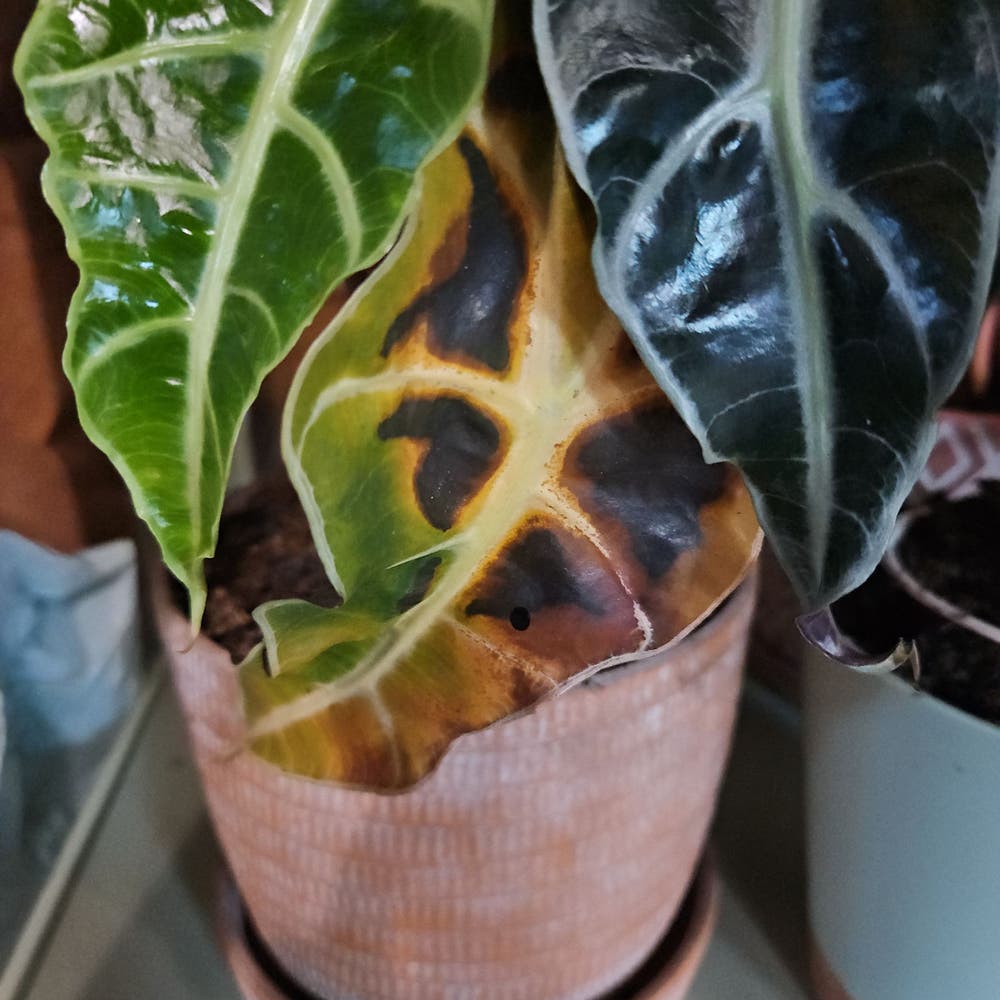
Step-by-Step Guide for When to Plant Arum
Arum maculatum
By the Greg Editorial Team
Jan 07, 2025•8 min read
This article was created with the help of AI so we can cover more plants for you. May contain errors. See one? Report it here.
Unlock a thriving Arum garden 🌱 by mastering the perfect planting timing for your region!
- 🌱 Plant Arum after the last spring frost for best seedling survival.
- 🌡️ Optimal soil temperature for Arum is 60°F to 70°F for successful germination.
- 📅 Check local planting calendars to determine the best planting months for your region.
Timing for Planting Arum
🌨️ Importance of Frost Dates
Frost dates are crucial for successful Arum planting. They mark the last spring frost and the first fall frost, helping you determine the safest time to plant.
Arum is particularly sensitive to frost; planting too early can lead to damaged seedlings. The ideal planting window is after your region's last frost date, ensuring a healthy start for your plants.
To find local frost dates, check with local agricultural extensions or use online frost date calculators. This information is vital for timing your planting accurately.
🌡️ Soil Temperature Considerations
The optimal soil temperature for planting Arum ranges from 60°F to 70°F (15°C to 21°C). This temperature range is essential for promoting seed germination and establishing strong roots.
To check soil temperature, you can use a soil thermometer for precise readings. Alternatively, conduct a hand test—if the soil feels warm to the touch, it’s likely in the right range.
Maintaining the right soil temperature is critical. Cold soil can delay growth and increase susceptibility to diseases, hindering your Arum's development.
🗺️ Regional Planting Considerations
Ideal Planting Months for Key States
Different regions have varying optimal planting months for Arum. Here’s a quick guide:
- Florida: March to April
- California: March to May
- Texas: March to April
- New York: Late April to May
- Colorado: Late May to June
- Ohio: Late April to May
Knowing these timelines helps you align your planting efforts with local conditions.
🌱 Seed Starting Techniques
Indoor Seed Starting vs. Direct Sowing
Indoor seed starting offers several benefits, including an extended growing season and better control over environmental conditions. This method allows you to nurture your seeds in a stable environment before introducing them to the outdoors.
For successful indoor seed starting, use seed trays filled with quality potting mix. It’s also essential to maintain consistent moisture and warmth to encourage healthy growth.
⏰ Timing Considerations for Starting Seeds Indoors
Start your seeds indoors 6-8 weeks before the last frost date. This timing gives your plants a head start, allowing them to thrive once transplanted.
Don’t forget the importance of hardening off seedlings. Gradually acclimating them to outdoor conditions before transplanting is crucial for their survival and growth.
🌦️ Factors Influencing Planting Time
Climate variations across the U.S. significantly impact planting times. Understanding your local climate zone is essential for successful planting.
Local growing season variations also play a role. Adjust your planting schedule based on the specific conditions in your area to maximize your success.
Utilizing local planting calendars can provide valuable guidance. These resources help you stay informed about the best times to plant in your region, ensuring your Arum flourishes.
Comprehensive Planting Guide
List of All 52 States and Optimal Planting Times for Arum 🌱
Here's a handy reference for when to plant Arum across the United States. Knowing the optimal planting months can help ensure your Arum thrives.
| State | Optimal Planting Months |
|---|---|
| Alabama | March to April |
| Alaska | June to July |
| Arizona | March to May |
| Arkansas | March to April |
| California | March to May |
| Colorado | Late May to June |
| Connecticut | Late April to May |
| Delaware | Late April to May |
| Florida | March to April |
| Georgia | March to April |
| Hawaii | Year-round |
| Idaho | May to June |
| Illinois | Late April to May |
| Indiana | Late April to May |
| Iowa | Late April to May |
| Kansas | April to May |
| Kentucky | April to May |
| Louisiana | March to April |
| Maine | Late May to June |
| Maryland | Late April to May |
| Massachusetts | Late April to May |
| Michigan | Late April to May |
| Minnesota | Late May to June |
| Mississippi | March to April |
| Missouri | April to May |
| Montana | Late May to June |
| Nebraska | Late April to May |
| Nevada | March to May |
| New Hampshire | Late April to May |
| New Jersey | Late April to May |
| New Mexico | March to May |
| New York | Late April to May |
| North Carolina | March to April |
| North Dakota | Late May to June |
| Ohio | Late April to May |
| Oklahoma | March to April |
| Oregon | March to May |
| Pennsylvania | Late April to May |
| Rhode Island | Late April to May |
| South Carolina | March to April |
| South Dakota | Late May to June |
| Tennessee | March to April |
| Texas | March to April |
| Utah | April to May |
| Vermont | Late May to June |
| Virginia | March to April |
| Washington | March to May |
| West Virginia | Late April to May |
| Wisconsin | Late May to June |
| Wyoming | Late May to June |
Summary of Key Factors for Successful Planting 🌼
When planning your Arum planting, consider these essential factors:
- Frost Dates: Always plant after the last frost date in your area to protect seedlings.
- Soil Temperature: Aim for soil temperatures between 60°F and 70°F for optimal growth.
- Day Length: Ensure your planting aligns with the appropriate day length for your region to support healthy development.
Understanding these elements will set you up for success in your gardening endeavors. Happy planting!
⚠️ Safety First
This content is for general information and may contain errors, omissions, or outdated details. It is not medical, veterinary advice, or an endorsement of therapeutic claims.
Always consult a qualified healthcare professional before using any plant as food, medicine, or supplement.
Never eat any plant (or feed one to pets) without confirming its identity with at least two trusted sources.
If you suspect poisoning, call Poison Control (800) 222-1222, the Pet Poison Helpline (800) 213-6680, or your local emergency service immediately.
Spotted an error? Please report it here.
Plant your Arum at the perfect time 🌱 with Greg's tailored reminders and local insights, ensuring your seedlings thrive and flourish!