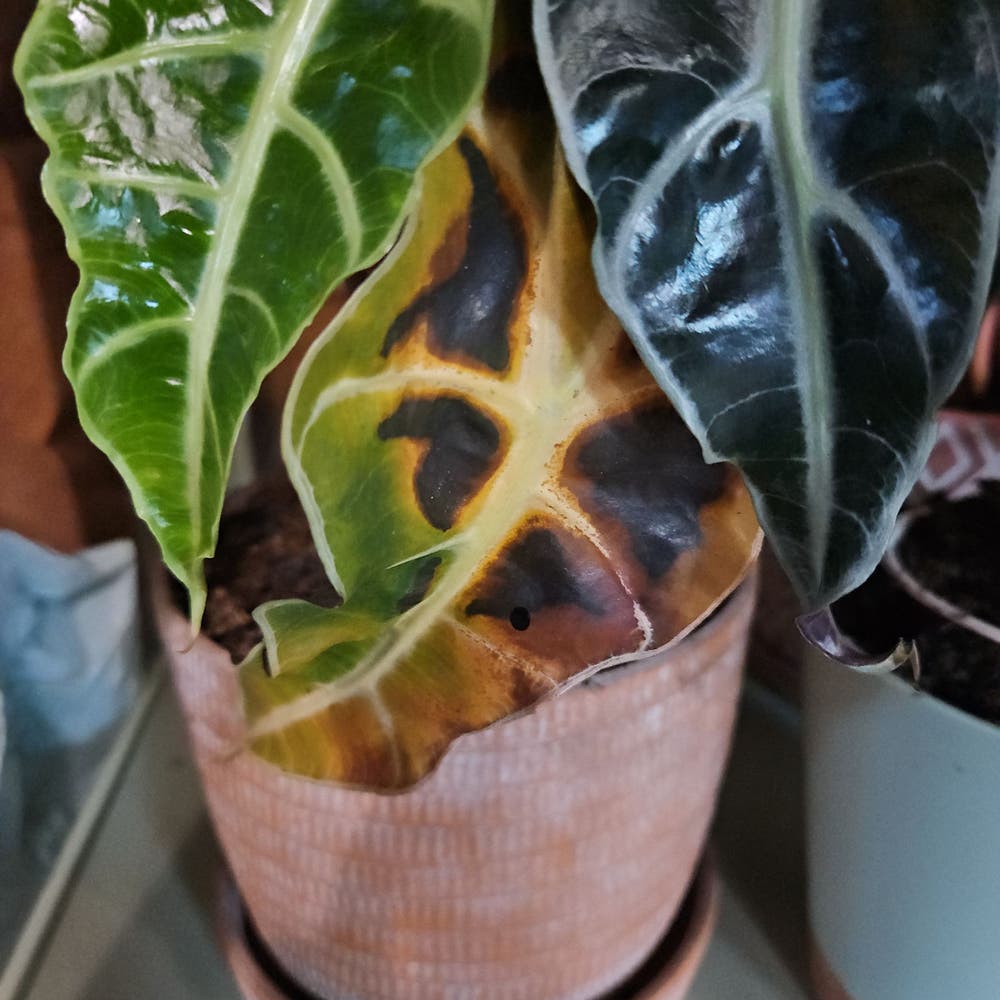
Why Are My Lords-and-ladies Leaves Curling?
Arum maculatum
By the Greg Editorial Team
Mar 22, 2024•4 min read
This article was created with the help of AI so we can cover more plants for you. May contain errors. See one? Report it here.
Unravel the mystery of curling Lords-and-ladies leaves and revive your plant's elegance with ease! 🌿🔍
- 💧 Overwatering and underwatering both lead to leaf curl; check soil moisture.
- 🌡️ Stable temperatures (65-80°F) and balanced humidity prevent environmental stress curling.
- 🌱 Nutrient balance and pest control are crucial for preventing leaf curl.
When Thirst Strikes: Water Woes
💧 Too Much Love: The Perils of Overwatering
Overwatering your Lords-and-ladies can lead to a dramatic underwater scene, minus the charm. Leaves curling downwards, a telltale sign of distress, signal that the roots are practically drowning. Soggy soil should never be the norm; it's a silent killer, suffocating the life out of your plant.
To avoid waterlogged woes, check the soil before you water—think damp, not drenched. If it clings to your finger, it's a no-go. Adjust your watering to the plant's needs, which vary with the seasons. Less is more during the cooler months.
🏜️ Parched Plants: Underwatering Unraveled
Curling upwards, the leaves of your Lords-and-ladies are hoisting the white flag—they're thirsty. When the soil feels like a barren desert, it's a clear cry for help. Brown, crispy leaves are the plant's last-ditch effort to conserve water.
Water deeply, but not daily. Let the top inch of soil dry out before the next watering session. This encourages roots to grow deeper, seeking moisture and becoming more resilient. Remember, a consistent watering schedule is key to a happy, hydrated plant.
It's Not You, It's the Climate: Environmental Stress
🌡️ Sunburn and Shivers: Temperature Troubles
Lords-and-ladies leaves curling? Temperature might be the culprit. These plants prefer a stable environment, away from the drama of extreme heat or cold.
Keep it steady—aim for a comfortable 65-80°F (18-27°C). Avoid placing your plant in spots where temperature swings are more Broadway show than subtle background music. No drafts, no radiators, no full-on sunbathing sessions.
💦 Humidity Havoc: When Air Moisture Matters
Humidity is another key player in the leaf-curling mystery. Too dry, and your plant's leaves might curl up tighter than a roll of quarters. Too moist, and they might wilt like yesterday's salad.
Balance is key. Shoot for a humidity level that doesn't swing wildly. Use a humidifier or a pebble tray to create a microclimate that's just right. Your plant will thank you with leaves that stay as flat and unwrinkled as a freshly ironed shirt.
Feeding Frenzy: Nutrient Know-How
🌱 The Starvation Struggle: Spotting Nutrient Deficiencies
Leaf curl in Lords-and-ladies could be a cry for help—your green buddy is starving for nutrients. Yellow leaves often whisper of nitrogen scarcity, while stunted growth shouts for a more varied diet.
To stop the curl, think balance. A soil test is your roadmap to nutrient nirvana. It'll pinpoint what's missing, so you can tailor your fertilization strategy. No more guessing games—just science-backed plant pampering.
🌿 Soil Secrets: Ensuring the Perfect Foundation
Soil quality and leaf curling are in a relationship—it's complicated. Poor soil can leave your Lords-and-ladies' leaves curled tighter than a rollie pollie.
Amend that soil! Organic matter is like a spa treatment for your plant's roots. It improves soil structure, which means better water retention and aeration. Your plant will thank you with leaves as flat as Kansas. Remember, a robust foundation is key to preventing those foliage faux pas.
Bug Battles and Disease Defenses
🐜 Unwanted Guests: Tackling Pest Problems
Aphids, spider mites, and leafhoppers are the usual suspects when Lords-and-ladies leaves start curling. These pests are like uninvited guests, and it's your job to kick them out. Regular leaf inspections are crucial for early detection.
If you spot these critters, it's time for action. Insecticidal soap or neem oil can be your first line of defense, but remember to target the undersides of leaves where pests like to hide. For more severe infestations, chemical pesticides can be used, but they're the nuclear option—handle with care and as a last resort.
🍄 Fungal Foes and Viral Villains: Disease Dilemmas
Fungal diseases, such as powdery mildew, leave a telltale white residue on leaves, while viral infections can twist them into unnatural shapes. Prevention is key: ensure good airflow and keep leaves dry.
If you spot signs of infection, remove affected leaves promptly and consider a fungicide if the situation calls for it. For viral issues, sadly, there's no cure—prevention is your only weapon. Keep new plants quarantined and sanitize your tools to prevent the spread of these invisible enemies.
⚠️ Safety First
This content is for general information and may contain errors, omissions, or outdated details. It is not medical, veterinary advice, or an endorsement of therapeutic claims.
Always consult a qualified healthcare professional before using any plant as food, medicine, or supplement.
Never eat any plant (or feed one to pets) without confirming its identity with at least two trusted sources.
If you suspect poisoning, call Poison Control (800) 222-1222, the Pet Poison Helpline (800) 213-6680, or your local emergency service immediately.
Spotted an error? Please report it here.
Banish leaf curl in your Lords-and-ladies by letting Greg remind you when to water and connect you with experts for pest-free 🐛 perfection!