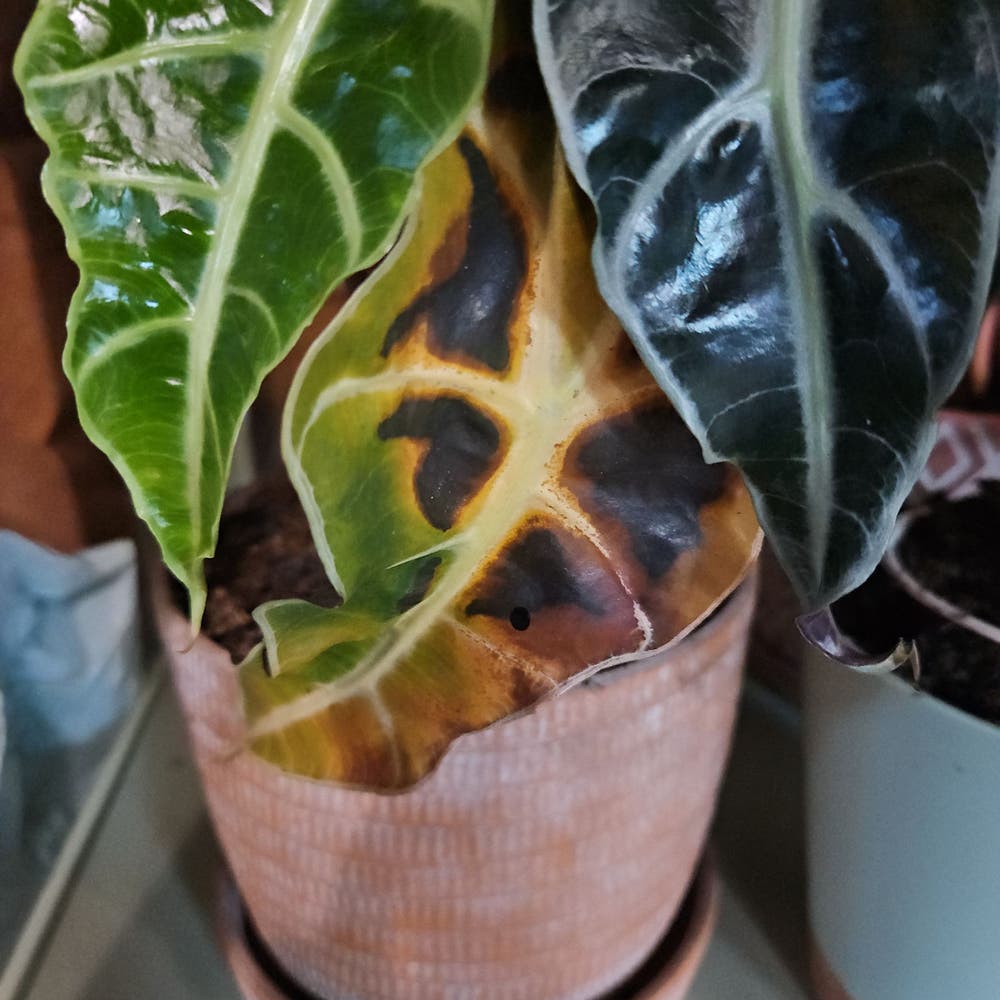
Why Are There Brown Spots on My Lords-and-ladies Leaves?
Arum maculatum
By the Greg Editorial Team
Mar 22, 2024•3 min read
This article was created with the help of AI so we can cover more plants for you. May contain errors. See one? Report it here.
Uncover the secret to banishing brown spots 🍂 from your Lords-and-ladies and ensure their lush vitality.
- Fungi and bacteria are common culprits for brown spots.
- Environmental stress like sunburn can also cause spots.
- Prevent spread with good air circulation and pest control.
Spotting the Trouble: Identifying Brown Spots
🕵️ Visual Guide to Brown Spots
Brown spots on Lords-and-ladies (Arum maculatum) can be a visual headache. They range from tiny specks to larger patches and may sport a yellowish halo indicating a serious issue. Dry, crispy spots often point to environmental stress, while soggy, dark areas suggest overwatering or disease. A consistent pattern across leaves can signal a systemic problem.
Usual Suspects: Where Brown Spots Strike
Commonly, brown spots on Lords-and-ladies leaves will crash the party on mature foliage. They may take center stage on the leaf's surface or prefer the leaf margins. Keep an eye out for spots that seem to scatter randomly or cluster together, as their location and spread can give clues to the underlying cause.
Unearthing the Causes
🍄 When Fungi Attack
Fungi are the sneaky culprits behind many brown spots on Lords-and-ladies leaves. Raised lesions or a powdery mildew appearance are dead giveaways. These spots might start small but can quickly expand, wreaking havoc on the foliage. Fungi thrive in moist environments, so overwatering or lack of air circulation can invite these uninvited guests.
🦠 Bacterial Invaders
Bacterial infections leave a different kind of mark. Look for water-soaked spots often surrounded by a yellow halo. These spots can be more subtle than their fungal counterparts, but they're just as damaging. Bacterial spots tend to have a wet appearance and may spread rapidly under the right (or rather, wrong) conditions.
🌡️ Stress Marks
Environmental stress is like the silent assassin of plant health. Sunburn can cause brown spots that are crisp and localized, while temperature extremes might leave a more diffused pattern. Consistent care is key—fluctuations in light, temperature, or humidity can stress Lords-and-ladies, leading to those dreaded brown marks.
Turning Over a New Leaf: Treatment Strategies
🦠 Combating Pathogens
Fungi and bacteria love to crash the party, leaving unsightly brown spots on your Lords-and-ladies. Act fast; remove infected leaves to prevent a garden gala of pathogens. When it comes to fungicides, think of potassium bicarbonate as the bouncer, keeping fungal freeloaders at bay. For bacteria, copper compounds are your go-to. But remember, moderation is key—overuse could turn your plant care into plant scare.
🌬️ Adjusting the Environment
Your plant's environment is like its personal bubble—keep it comfortable. Air circulation is non-negotiable; it's the social distancing of the plant world. Watering? Only when the soil's dry, unless you fancy root rot. And temperature control is like picking the right outfit; provide shade when it's too hot. If your Lords-and-ladies could talk, they'd thank you for not making them sweat.
Keeping Spots at Bay: Prevention Tactics
👀 Vigilant Monitoring
Regular check-ups are crucial. Like a personal trainer for your Lords-and-ladies, frequent inspections ensure your plant stays in top form. Early detection is your best bet against brown spots—catch them before they spread.
🛡️ Proactive Pest Defense
Pest control is essential. It's like playing defense in basketball—anticipate moves and block pests before they score. Introduce beneficial insects or use targeted treatments like insecticidal soap. It's a strategic play to keep your Lords-and-ladies in the game and spot-free.
⚠️ Safety First
This content is for general information and may contain errors, omissions, or outdated details. It is not medical, veterinary advice, or an endorsement of therapeutic claims.
Always consult a qualified healthcare professional before using any plant as food, medicine, or supplement.
Never eat any plant (or feed one to pets) without confirming its identity with at least two trusted sources.
If you suspect poisoning, call Poison Control (800) 222-1222, the Pet Poison Helpline (800) 213-6680, or your local emergency service immediately.
Spotted an error? Please report it here.
Eradicate those pesky brown spots on your Lords-and-ladies by leveraging Greg's monitoring 🕵️♂️ to catch early signs and prevent future leaf woes.