Best Fertilizer for Arum 🌸
Arum maculatum
By the Greg Editorial Team
Jan 07, 2025•3 min read
This article was created with the help of AI so we can cover more plants for you. May contain errors. See one? Report it here.
Unlock vibrant blooms for your Arum plants 🌼 with this essential guide to effective fertilization techniques!
- 🌱 Fertilize Arum in early spring for optimal growth and blooming.
- 🌼 Post-bloom care requires late summer fertilization for dormancy preparation.
- 📏 Monitor and adjust fertilizer based on plant response and environmental conditions.
Fertilization Schedule
Best Times to Fertilize (Seasonal Considerations) 🌱
Timing is everything when it comes to fertilizing your Arum plants. Early spring is the ideal moment for pre-bloom fertilization, as it sets the stage for vibrant growth and stunning blooms.
As summer winds down, late summer becomes crucial for post-bloom maintenance. This helps your plants recover and prepares them for the upcoming dormant season.
Frequency of Fertilization Throughout the Year 📅
A general guideline for fertilizing Arum is every 4-6 weeks during the growing season. This regular feeding supports healthy growth and flowering.
However, be ready to adjust based on the growth stage and environmental conditions. Factors like temperature and moisture can influence how often you should fertilize, so keep an eye on your plants’ needs.
Application Techniques
How to Apply Fertilizer 🌱
Applying fertilizer correctly is crucial for the health of your Arum plants. Start by determining the appropriate type of fertilizer based on the specific needs of your plants.
Next, measure the correct dosage according to the product instructions. This ensures that your plants receive the right amount of nutrients without the risk of over-fertilization.
When applying, spread the fertilizer evenly around the base of the plant. Be careful to avoid direct contact with the stems, as this can cause damage.
Best Practices for Avoiding Over-Fertilization 🚫
To prevent over-fertilization, always start with lower concentrations of fertilizer. Gradually increase the dosage as needed, allowing your plants to adjust.
Keep a close eye on your plants' responses. If you notice any adverse effects, be ready to adjust your fertilization routine accordingly.
Tools and Methods for Fertilizing Effectively 🛠️
Using the right tools can make fertilizing more effective. Measuring cups or scales can help you achieve accuracy in your dosage.
There are several application methods to consider, including broadcasting, side-dressing, or foliar feeding. Each method has its benefits, so choose the one that best suits your gardening style and the needs of your Arum plants.
With these techniques in mind, you'll be well-equipped to nourish your Arum plants effectively. Next, let's explore common problems and solutions related to fertilization.
Common Problems and Solutions
Symptoms of Over-Fertilization 🌱
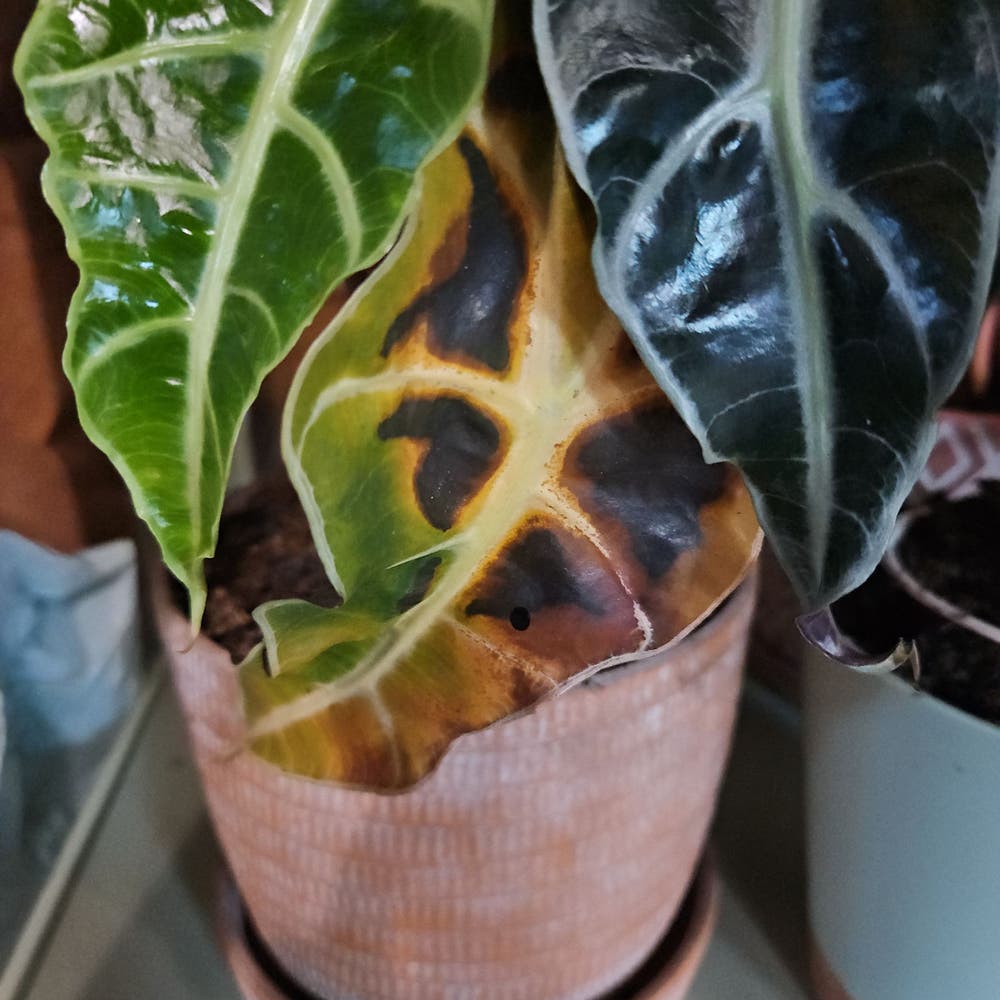
Over-fertilization can lead to noticeable issues in your arum plants. One of the most common symptoms is leaf burn, where the tips and edges of the leaves turn brown and crispy.
Another sign to watch for is wilting, even when the soil is adequately watered. This paradox often indicates that the roots are overwhelmed by excess nutrients.
How to Rectify Over-Fertilization Issues 🚿
If you suspect over-fertilization, take immediate action. First, flush the soil with plenty of water to help dilute the excess fertilizer.
Next, allow your plant to recover by withholding fertilizer for a while. This pause gives the roots a chance to stabilize and regain health.
Troubleshooting Nutrient Deficiencies 🕵️♂️
Identifying nutrient deficiencies can be tricky but is crucial for maintaining healthy arum plants. Start by conducting a leaf analysis to pinpoint specific deficiencies.
Once you know what's lacking, adjust your fertilizer type and application accordingly. Tailoring your approach ensures your plants receive the nutrients they need to thrive.
By staying vigilant and responsive to your plants' needs, you can foster a vibrant and flourishing garden. Now, let’s explore the best practices for applying fertilizer effectively.
⚠️ Safety First
This content is for general information and may contain errors, omissions, or outdated details. It is not medical, veterinary advice, or an endorsement of therapeutic claims.
Always consult a qualified healthcare professional before using any plant as food, medicine, or supplement.
Never eat any plant (or feed one to pets) without confirming its identity with at least two trusted sources.
If you suspect poisoning, call Poison Control (800) 222-1222, the Pet Poison Helpline (800) 213-6680, or your local emergency service immediately.
Spotted an error? Please report it here.
Boost your Arum's health and blooming potential 🌼 with Greg's tailored fertilization reminders and expert tips that make nurturing your plants a breeze!