Step-by-Step Guide to Pruning Arum ✂️
Arum maculatum
By the Greg Editorial Team
Jan 07, 2025•6 min read
This article was created with the help of AI so we can cover more plants for you. May contain errors. See one? Report it here.
Revitalize your Arum plants 🌱 with expert pruning tips for healthier growth and stunning blooms!
- ✂️ Pruning Arum promotes health, preventing disease and encouraging vibrant growth.
- 🌼 Best times to prune are early spring and late fall for optimal results.
- 🛠️ Essential tools include sharp shears and gloves for effective and safe pruning.
Importance of Pruning
Pruning is essential for maintaining the health of your Arum plants. By removing dead or diseased foliage, you help prevent the spread of disease and promote a robust growing environment.
🌱 Encouraging New Growth
One of the most significant benefits of pruning is that it encourages new growth and flowering. When you cut back old stems, the plant can redirect its energy towards producing fresh leaves and vibrant blooms.
✂️ Aesthetic Appeal
Pruning also plays a crucial role in maintaining the aesthetic appeal and shape of your plants. A well-pruned Arum not only looks better but also fits harmoniously into your garden design.
In summary, regular pruning is a vital practice that enhances plant health, stimulates growth, and ensures your Arum remains visually appealing. With the right techniques, you can keep your plants thriving and beautiful.
Next, let's explore the tools you'll need to get started on your pruning journey.
Tools Needed for Pruning
When it comes to pruning Arum, having the right tools is essential for achieving clean cuts and maintaining plant health. Here’s a quick rundown of what you’ll need.
✂️ Pruning Shears
Pruning shears are your go-to tool for precise cuts. Look for a pair with sharp, clean blades to ensure you make smooth cuts that won’t damage the plant.
🌳 Loppers
For thicker stems and branches, loppers are indispensable. They provide the leverage needed to tackle tougher growth without straining your hands.
🧤 Gloves
Don’t forget to wear gloves! They protect your hands from potential irritants that may be present on the plant or in the soil.
🧼 Disinfectant
Keeping your tools clean is crucial. Use a disinfectant to wipe down your pruning shears and loppers before and after use to prevent the spread of diseases.
With these tools in hand, you’re well-equipped to start your pruning journey. Next, let’s explore the best timing for pruning to ensure your Arum thrives.
Timing for Pruning
Best Seasons for Pruning 🌱
Timing is everything when it comes to pruning Arum plants. The best seasons to prune are early spring and late fall.
In early spring, you want to prune before new growth begins. This prepares the plant for a healthy growing season. Late fall is ideal for pruning after the foliage has died back, allowing you to tidy up the plant before winter.
Signs That Pruning is Needed 🔍
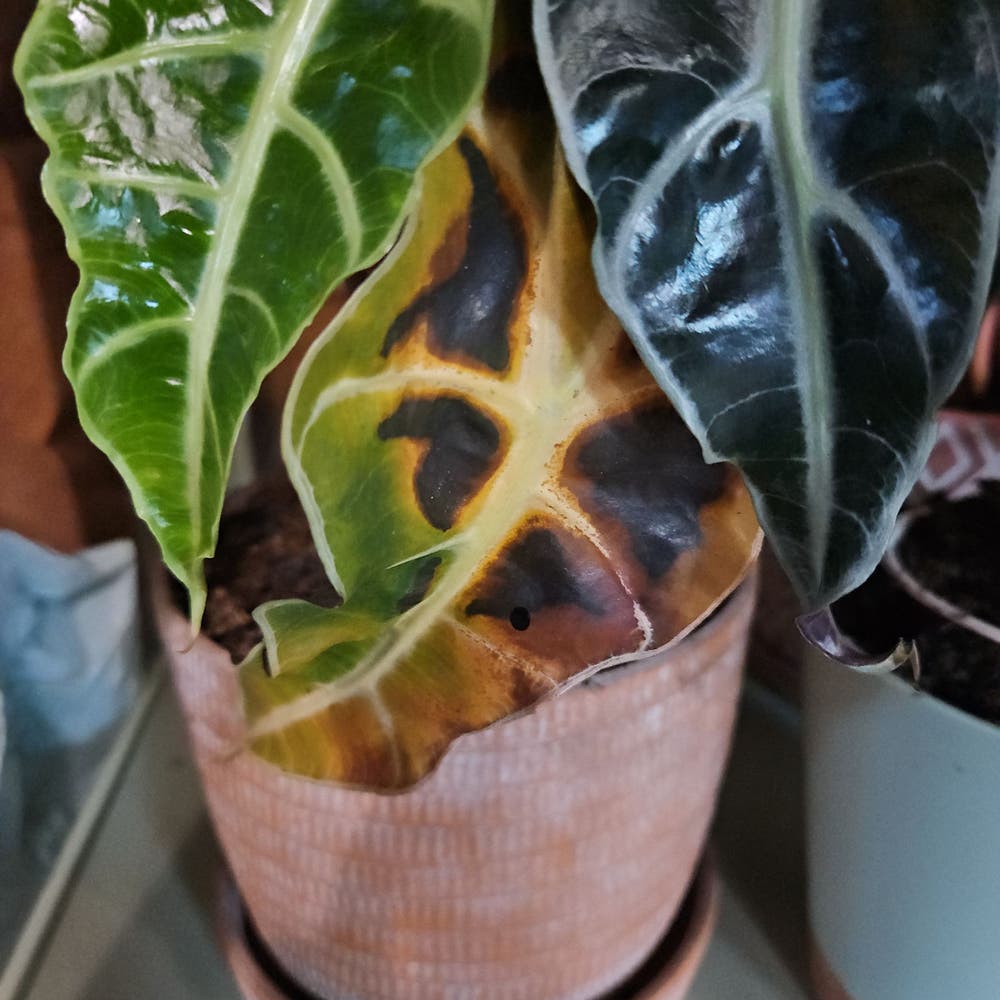
Recognizing when your Arum needs pruning is crucial for its health. Look for yellowing or browning leaves, which indicate stress or disease.
Dead or damaged stems are another clear sign that it's time to prune. Additionally, if your plant appears overcrowded or leggy, it’s a good indication that pruning is necessary to promote better growth.
Timing Considerations Based on Growth Cycle ⏳
Understanding the growth cycle of your Arum can help you prune effectively. The plant experiences active growth in spring and summer, while it enters dormancy in fall and winter.
Pruning during dormancy minimizes stress on the plant. This way, you can ensure that your Arum is ready to thrive when the growing season returns.
With the right timing, you’ll set your Arum up for success, leading to a healthier and more vibrant plant. Next, let’s explore the importance of deadheading to further enhance your plant's health.
Deadheading
Importance of Deadheading for Health 🌼
Deadheading is crucial for maintaining the vitality of your Arum plants. By preventing seed formation, you help conserve the plant's energy, allowing it to focus on producing more blooms.
Additionally, this practice encourages further flowering, extending the blooming period and enhancing the overall beauty of your garden.
Step-by-Step Instructions for Deadheading ✂️
- Identify spent flowers: Look for wilted or brown blooms that signal it's time to act.
- Use clean pruning shears: Cut the flower stem back to the base, ensuring a clean cut to promote healthy regrowth.
- Dispose of cut flowers: Properly discard the spent blooms to prevent any potential disease spread.
When to Deadhead ⏰
The best time to deadhead is immediately after flowewateringich typically occurs in late spring to early summer.
Keep an eye on your plants for additional blooms and repeafertilizationding process as necessary to keep them thriving.
By incorporating deadheading into your regular gardening routimulchingcan significantly enhance the health and appearance of your Arum plants. This simple yet effective practice not only Arumts blooming but also fosters a more vibrant garden.
Next, let’s explore some common pruning mistakes to avoid, ensuring your pruning efforts yield the best results.
Common Pruning Mistakes
Mistakes to Avoid 🌪️
Pruning can be a delicate art, and mistakes can lead to stressed plants.
- Over-pruning: Removing too much foliage can weaken the plant, making it vulnerable to pests and diseases.
- Pruning at the wrong time: Cutting during active growth can hinder development and lead to poor results.
- Using dull tools: Dull blades can tear rather than cut, causing unnecessary damage to the plant.
How to Correct Pruning Errors 🔧
If you've made a mistake while pruning, don't panic—there are ways to help your plant recover.
- Assess the extent of damage: Take a close look to determine if the plant can bounce back.
- Allow the plant to rest: Give it time to recover before attempting any further pruning.
- Monitor for signs of stress: Keep an eye out for yellowing leaves or stunted growth, which can indicate that your plant needs extra care.
By avoiding these common pitfalls and knowing how to correct them, you can ensure your Arum thrives beautifully.
Next, let’s explore the essential post-pruning care to support your plant’s recovery and growth.
Post-Pruning Care
Care Tips After Pruning 🌱
After pruning your Arum, it's crucial to provide the right care to help it thrive. Start with watering: ensure the soil remains consistently moist but avoid waterlogging, which can lead to root rot.
Next, consider fertilization. Applying a balanced fertilizer will support new growth and help your plant bounce back stronger. Additionally, mulching with organic materials can retain soil moisture and suppress pesky weeds, creating a healthier environment for your Arum.
Monitoring After Pruning 🔍
Regular inspections are key after pruning. Keep an eye out for pests and diseases that could threaten your plant's recovery.
Also, watch for new growth. Healthy signs include fresh leaves and blooms, indicating your Arum is responding well to the care. Be prepared to adjust your care practices based on how your plant reacts to the pruning, ensuring it continues to flourish.
With these post-pruning care tips, your Arum will be on its way to a vibrant and healthy growth cycle. Next, let’s explore common pruning mistakes to avoid, ensuring your efforts yield the best results.
⚠️ Safety First
This content is for general information and may contain errors, omissions, or outdated details. It is not medical, veterinary advice, or an endorsement of therapeutic claims.
Always consult a qualified healthcare professional before using any plant as food, medicine, or supplement.
Never eat any plant (or feed one to pets) without confirming its identity with at least two trusted sources.
If you suspect poisoning, call Poison Control (800) 222-1222, the Pet Poison Helpline (800) 213-6680, or your local emergency service immediately.
Spotted an error? Please report it here.
Transform your Arum into a blooming beauty 🌼 with Greg's tailored pruning reminders and expert care tips that keep your plant healthy and vibrant all year long!