Does My Lords-and-ladies Need Direct Sunlight?
Arum maculatum
By the Greg Editorial Team
Mar 22, 2024•4 min read
This article was created with the help of AI so we can cover more plants for you. May contain errors. See one? Report it here.
Unlock lush growth for your Lords-and-ladies with the right sunlight balance. 🌿⚖️
- Prefers indirect sunlight to avoid leaf scorching.
- 🌿 Observe plant's light response for optimal health.
- Rotate and use sheer curtains for even, diffused light.
Sunlight Savvy: Lords-and-ladies and Its Light Preferences
💡 Defining Sunlight for the Lords-and-ladies
Direct sunlight is the unfiltered spotlight of the celestial stage, hitting your Lords-and-ladies with all its intensity. Indirect sunlight, on the other hand, is the more subdued lighting that doesn't directly beam down on the plant. Think of it as the difference between sitting under a skylight at noon versus lounging in the brightness of a room with sheer curtains.
💡 Does Lords-and-ladies Soak Up the Sun?
Lords-and-ladies, with its unique foliage, does enjoy a good dose of sunlight but has a preference for the indirect variety. It's a bit like a sunbather who loves the warmth but sits under an umbrella to avoid a burn. This plant can handle some morning sun, but when the sun's at its peak, it's best to provide some shade to prevent leaf scorch. Keep in mind that the Lords-and-ladies' tolerance for sunlight can vary, so observing your plant's response to its light environment is key.
Spotting the Signs: Lords-and-ladies' Sunlight Reactions
🌞 Happy in the Light
Bright leaves and vigorous growth are your Lords-and-ladies' way of saying, "I'm loving this light!" A plant that's content with its sunlight exposure will have lush, vibrant foliage. It's like the plant's version of a thumbs-up.
🚫 Too Much of a Good Thing
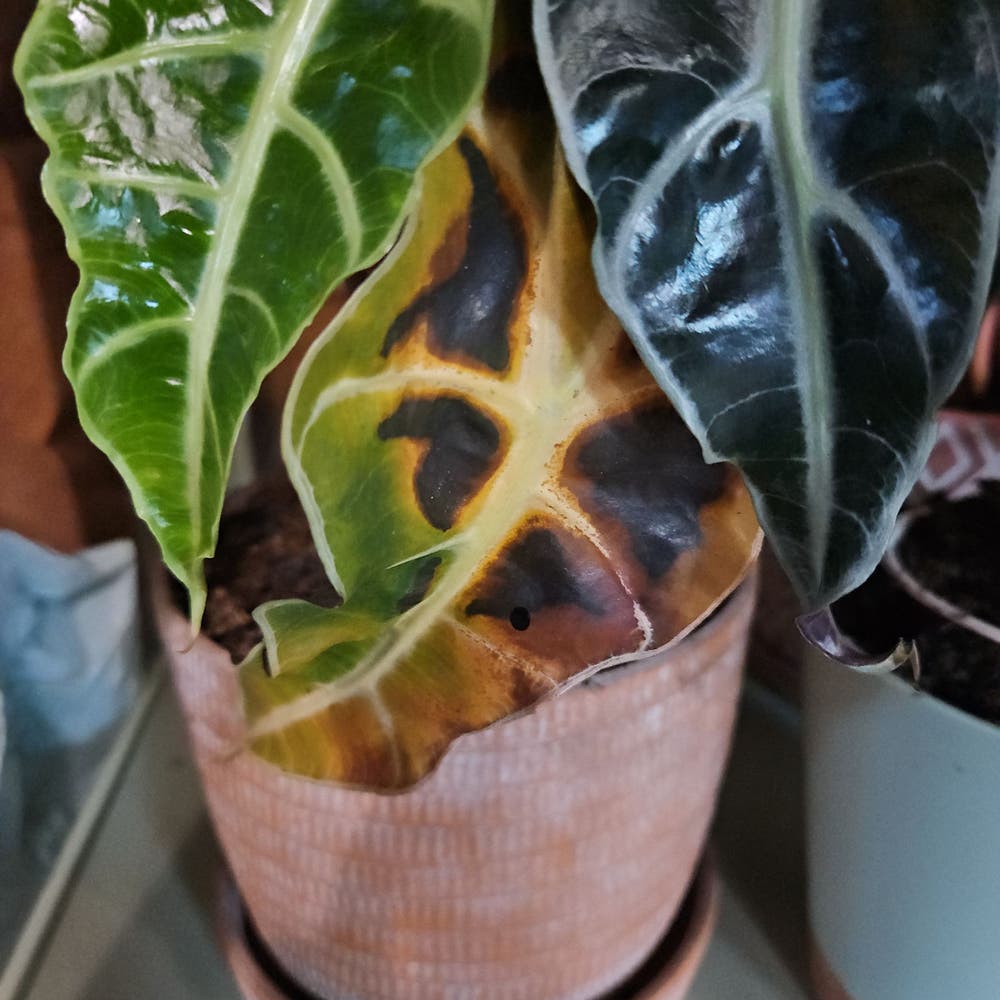
On the flip side, signs of sun stress include leaves that are bleached, crispy, or with brown edges. It's the plant's SOS signal. If your Lords-and-ladies' leaves look like they've been in a tanning bed too long, it's time to dial back on the sunbathing. Wilting or drooping can also indicate that your plant is getting more light than it can handle. Think of it as the plant's way of saying, "I've had enough!"
Remember, just like us, plants can get sunburned. If you spot any leaves that feel unusually warm or show signs of scorching, it's a clear indication that your Lords-and-ladies has had too much direct sunlight. Move it to a shadier spot before it turns into a crispy critter.
Location, Location, Location: Where to Place Your Lords-and-ladies
🌅 Window Wisdom
North-facing windows? Think of them as the low-key chill zones for your Lords-and-ladies, offering a steady stream of muted light. South-facing counterparts are the life of the party, drenching your plant in sunlight—great for growth but risky for sunburn. East-facing windows provide a gentle morning wake-up call, while west-facing ones deliver a strong afternoon tea of rays. Rotate your Lords-and-ladies to give it an even tan—minus the risk of sunburn.
🌐 Hemisphere Hints
Your spot on the globe flips the script on plant care. In the Northern Hemisphere, south-facing windows are your go-to for maximum sunlight. If you're down under, north-facing windows are your plant's best friend. But remember, with great sunlight comes great responsibility—adjust your plant's position with the changing seasons to avoid leafy sunburns or a pale complexion. Keep it close to the window when the sun is timid in winter, and pull it back when summer is in full swing.
Keeping Your Lords-and-ladies Lively in the Light
🌞 Shielding from the Sun's Strength
Shade cloths and strategic placement under taller plants can act as a sunscreen for your Lords-and-ladies, protecting it from the midday sun's intensity. Rotate your plant regularly to ensure even light distribution and prevent one-sided growth or leaf burn.
Consider using sheer curtains to diffuse harsh sunlight, creating a soft, filtered light environment. For those with less natural light, supplementing with grow lights can offer a controlled brightness, mimicking the gentle glow of morning sun which is less harsh than afternoon rays.
🌆 When the Sun Goes Down
During shorter days or lower light periods, scout for the brightest spots in your home. A south-facing window can be a prime location, offering the most daylight during winter months. Adjust your care routine to the plant's natural rhythm—less water in winter, more shade in summer.
If your space is more dungeon-like than sun-kissed, consider artificial lighting as a supplement. Full spectrum grow lights can be a game-changer, providing your plant with the necessary light without the harmful UV rays. Remember to dial back artificial light when natural sunlight is abundant to avoid overexposure.
⚠️ Safety First
This content is for general information and may contain errors, omissions, or outdated details. It is not medical, veterinary advice, or an endorsement of therapeutic claims.
Always consult a qualified healthcare professional before using any plant as food, medicine, or supplement.
Never eat any plant (or feed one to pets) without confirming its identity with at least two trusted sources.
If you suspect poisoning, call Poison Control (800) 222-1222, the Pet Poison Helpline (800) 213-6680, or your local emergency service immediately.
Spotted an error? Please report it here.
With Greg, you can personalize 🌿 your Lords-and-ladies' sunbathing routine to avoid sun stress and promote lush growth, no matter the light in your home.