Best Temperature Conditions for Arum 🌡️
Arum maculatum
By the Greg Editorial Team
Jan 07, 2025•2 min read
This article was created with the help of AI so we can cover more plants for you. May contain errors. See one? Report it here.
Master the ideal temperature for your arum plants 🌱 to ensure they thrive and flourish beautifully!
- 🌡️ Arum thrives best between 15°C to 25°C (59°F to 77°F) for optimal growth.
- ❄️ Below 10°C (50°F) triggers dormancy, while above 30°C (86°F) causes heat stress.
- 🌿 Regular temperature monitoring is essential for maintaining arum plant health.
Temperature Requirements for Arum
Ideal Temperature Range 🌡️
The ideal temperature range for arum plants is between 15°C to 25°C (59°F to 77°F). During the day, aim for temperatures between 20°C to 25°C (68°F to 77°F), while nighttime temperatures should drop to 10°C to 15°C (50°F to 59°F).
Maintaining this temperature range is crucial for healthy growth. Deviations can lead to stress, affecting the plant's vitality and overall development.
Temperature Thresholds for Growth and Dormancy 📈
Arum plants have specific temperature thresholds that dictate their growth and dormancy phases. The minimum temperature for active growth is 10°C (50°F), while the maximum for optimal growth is 30°C (86°F).
When temperatures fall below 10°C (50°F), arum plants enter dormancy. This state lasts until the temperatures rise above this threshold, signaling the plant to resume growth.
Signs and Causes of Temperature Stress ⚠️
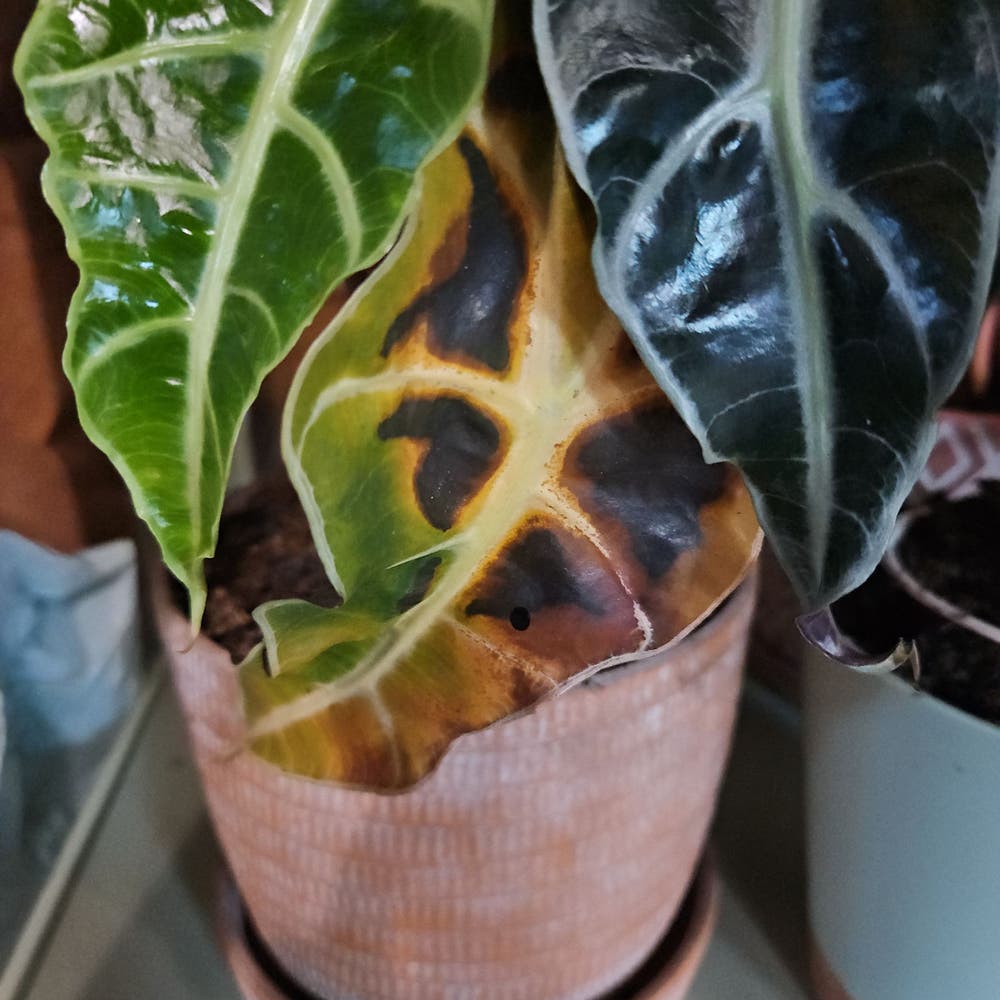
Recognizing temperature stress in arum plants is essential for timely intervention. Cold stress manifests as wilting leaves, discoloration (yellowing or browning), and stunted growth.
On the other hand, heat stress shows up as leaf scorch (browning edges), dropping leaves, and reduced flowering and fruiting. Cold stress typically results from exposure below 10°C (50°F) or sudden temperature drops, while heat stress occurs due to prolonged exposure above 30°C (86°F) and insufficient watering.
Recovery Strategies for Stressed Arum Plants 🌱
If your arum plants show signs of cold stress, consider these recovery strategies:
- Move them indoors or to a sheltered location.
- Use frost cloths for protection against the cold.
For heat stress, you can:
- Provide shade during peak sunlight hours.
- Increase watering frequency to keep the soil moist.
- Consider relocating the plants to a cooler area.
Temperature Management Techniques 🛠️
To maintain optimal temperature conditions for your arum plants, implement these effective methods:
- Use mulch to help regulate soil temperature.
- Implement shade cloths during peak summer heat to protect against excessive sun.
- Regularly monitor temperatures with thermometers to ensure they stay within the ideal range.
Additionally, consider using greenhouses or protective coverings. Greenhouses offer excellent temperature regulation, while protective coverings can shield outdoor plants from cold and mitigate heat exposure.
By understanding and managing temperature requirements, you can ensure your arum plants thrive beautifully. Next, let’s explore the signs of temperature stress in more detail.
⚠️ Safety First
This content is for general information and may contain errors, omissions, or outdated details. It is not medical, veterinary advice, or an endorsement of therapeutic claims.
Always consult a qualified healthcare professional before using any plant as food, medicine, or supplement.
Never eat any plant (or feed one to pets) without confirming its identity with at least two trusted sources.
If you suspect poisoning, call Poison Control (800) 222-1222, the Pet Poison Helpline (800) 213-6680, or your local emergency service immediately.
Spotted an error? Please report it here.
Keep your arum plants thriving 🌱 by using Greg's tailored reminders to maintain their ideal temperature range of 15°C to 25°C (59°F to 77°F) for optimal growth!