How Much Should I Water My Lords-and-ladies?
Arum maculatum
By the Greg Editorial Team
Mar 30, 2024•4 min read
This article was created with the help of AI so we can cover more plants for you. May contain errors. See one? Report it here.
Ensure your Lords-and-ladies flourish 🌿 with the perfect watering technique—say goodbye to guesswork!
- Wilting or crispy leaves? Your Lords-and-ladies need more water.
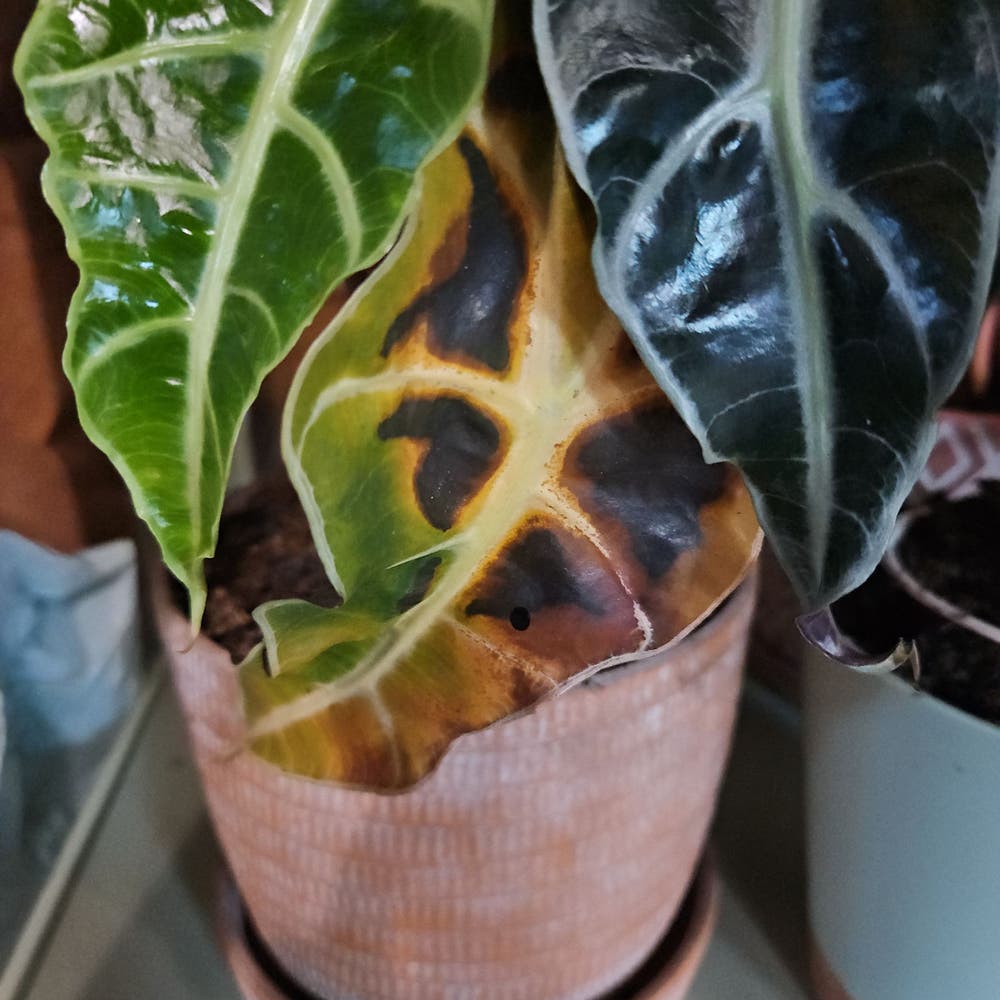
- Yellow, swollen leaves? You're over-watering; let soil dry out first.
- Seasons and pot type influence how much and how often to water.
Recognizing Your Plant's Thirst
🏜️ Signs of under-watering in Lords-and-ladies
Wilting leaves are the plant equivalent of a parched throat, signaling an urgent need for water. When the soil gap pulls away from the pot's edge, it's like your plant is socially distancing from its life source. If the leaves turn as crispy and brown as overdone toast, it's a clear cry for hydration. A plant with leaves more wrinkled than a shirt forgotten in the wash is begging for a drink. And if the soil feels like a dry wasteland beneath your fingertips, it's time to quench that thirst.
🚰 Signs of over-watering and how to avoid it
Over-watering is a silent menace, turning vibrant greenery into a sopping mess. Yellow leaves are the plant's way of waving a caution flag, while leaves that feel like soggy water balloons are on the brink of bursting. A pot that's heavier than your post-holiday suitcase suggests excess moisture. To avoid these woes, ensure the soil is moist, not muddy—think of it as the difference between a refreshing sip and a flood. Remember, a well-draining pot is your ally against the swampy conditions that spell doom for Lords-and-ladies.
Factors Affecting Watering Frequency
🌞 Seasonal changes and their impact on watering
As the earth orbits the sun, light levels fluctuate and so does your Lords-and-ladies' thirst. In winter, the dimmer days mean your plant's soil stays moist longer, so ease up on the watering can. Come summer, brighter days can dry out the soil quicker, nudging you to water more often. But remember, it's not just about the calendar; it's about observing your plant's response to the seasonal shift.
🏜️ Soil type and its role in water retention
Soil type is a big deal when it comes to how often your green buddy needs a drink. A chunky, well-draining mix will have you watering more frequently, while a denser, moisture-retentive soil means less work for you. Want to hit the sweet spot? Mix in some organic matter like peat moss or vermiculite to amp up the water-holding capacity without turning your pot into a swamp.
🍽️ Pot size and material considerations
Size matters, folks. A larger pot holds more soil, which in turn holds more water, leading to less frequent watering. And let's talk material; porous pots like terracotta breathe more, letting soil dry out faster. Non-porous options, like plastic, keep things wetter for longer. Choose wisely, or you'll be playing catch-up with your watering schedule.
Plant Care 101
Choosing the Right Plant for Your Space
Watering Dos and Don'ts
Soil and Fertilizer Basics
Dealing with Pests and Diseases
Troubleshooting Common Watering Issues
💧 Adjusting your watering schedule for common problems
If your Lords-and-ladies exhibit yellowing leaves or a wilted appearance, it's time to reassess your watering routine. Increase watering gradually if the soil is bone dry; this avoids shocking the plant with a sudden deluge. Conversely, if the soil feels like a soggy sponge, cut back on watering and allow the plant to dry out to a moist, but not wet, state.
💦 What to do if you've over-watered or under-watered
Over-watering can lead to root rot, so if you've been generous to a fault, let the soil dry before watering again. Check the top inch of soil; if it's dry, it's safe to water. For under-watered plants, introduce a steady increase in water frequency, aiming for consistent soil moisture without going overboard.
🌱 When to seek professional advice
If your plant continues to struggle despite your best efforts, it might be time to seek professional advice. Local nurseries or plant care forums can offer guidance tailored to your specific situation. Remember, it's better to ask for help than to lose your leafy friend to a watering mishap.
⚠️ Safety First
This content is for general information and may contain errors, omissions, or outdated details. It is not medical, veterinary advice, or an endorsement of therapeutic claims.
Always consult a qualified healthcare professional before using any plant as food, medicine, or supplement.
Never eat any plant (or feed one to pets) without confirming its identity with at least two trusted sources.
If you suspect poisoning, call Poison Control (800) 222-1222, the Pet Poison Helpline (800) 213-6680, or your local emergency service immediately.
Spotted an error? Please report it here.
Keep your Lords-and-ladies thriving by spotting the tell-tale signs of their watering needs and use Greg's 🚿 personalized reminders to ensure they always get the perfect amount of water.