How to Grow Arum: From Soil to Sun 🌞
Arum maculatum
By the Greg Editorial Team
Jan 07, 2025•6 min read
This article was created with the help of AI so we can cover more plants for you. May contain errors. See one? Report it here.
Cultivate vibrant Arum plants in your garden with these essential care tips! 🌱
- 🌳 Arum thrives in partial to full shade, perfect for shaded garden areas.
- 💧 Moist, well-draining soil is essential; avoid overwatering to prevent root rot.
- 🌱 Regular monitoring of moisture and pests ensures healthy Arum growth.
Choosing the Right Location
Light Requirements 🌞
When it comes to light, Arum plants thrive best in partial to full shade. While they can tolerate dappled sunlight, they truly flourish in shaded areas, making them perfect for those nooks in your garden that don’t get direct sun.
Environmental Considerations 💧
Humidity is key for Arum; they love moist environments. Additionally, protecting them from harsh winds is crucial, so consider planting them in sheltered locations to help them thrive.
Soil Preparation
🌱 Soil Requirements
To grow healthy Arum plants, start with the right soil. They thrive in rich, well-draining soil that is packed with organic matter.
The ideal soil pH for Arum is slightly acidic to neutral, ranging from 6.0 to 7.0. This balance helps ensure optimal nutrient availability for your plants.
🧪 Soil Preparation Techniques
1. Testing Soil Quality
Before planting, it's crucial to test your soil quality. Use a soil test kit to check both pH and nutrient levels.
This step will guide you in making the necessary amendments for a thriving garden.
2. Amending Soil
Once you know your soil's condition, it's time to enhance its fertility. Incorporate compost or well-rotted manure to boost nutrient content.
These organic materials not only enrich the soil but also improve its structure.
3. Drainage Improvement
If your soil is heavy and compacted, drainage can become an issue. To remedy this, add perlite or sand to improve aeration and drainage.
Good drainage is essential for preventing root rot and ensuring your Arum plants flourish.
With the right soil preparation, you're setting the stage for healthy growth. Next, let’s explore how to effectively water and fertilize your Arum plants for optimal health.
Watering and Fertilizing
💧 Watering Needs
Maintaining the right moisture level is crucial for your Arum. Keep the soil consistently moist, but avoid waterlogging, which can lead to root rot.
During hot, dry spells, be prepared to increase your watering frequency. Arum thrives in moist environments, so a little extra attention during these times can make a significant difference.
🌱 Fertilizing Best Practices
Timing is everything when it comes to fertilizing your Arum. Start fertilizing in early spring as new growth begins to emerge, giving your plants the nutrients they need to flourish.
For the best results, use a balanced NPK fertilizer, such as a 10-10-10 blend. Organic options like fish emulsion can also work wonders, providing a natural boost to your plants.
With proper watering and fertilizing, your Arum will thrive beautifully. Next, let’s explore the essential pruning and maintenance techniques to keep your plants healthy year-round.
Pruning and Maintenance
Pruning Techniques 🌿
Pruning your Arum is essential for maintaining its health and vigor. The best time to prune is in late fall, after the foliage has died back, allowing you to tidy up the plant without harming its growth.
When it comes to tools, always use clean, sharp pruning shears. This ensures clean cuts that help prevent disease and promote healthy regrowth.
Ongoing Care 🌱
Regular monitoring is key to a thriving Arum. Check the soil moisture and overall plant health weekly to catch any issues early.
As seasons change, be prepared to adjust your care routine. This flexibility ensures your Arum receives the right attention throughout the year, allowing it to flourish in your garden.
With proper pruning and ongoing maintenance, your Arum will not only survive but thrive, setting the stage for vibrant growth in the upcoming seasons. Next, let’s dive into troubleshooting common challenges you might face while cultivating this beautiful plant.
Troubleshooting and Challenges
Common Issues 🌱
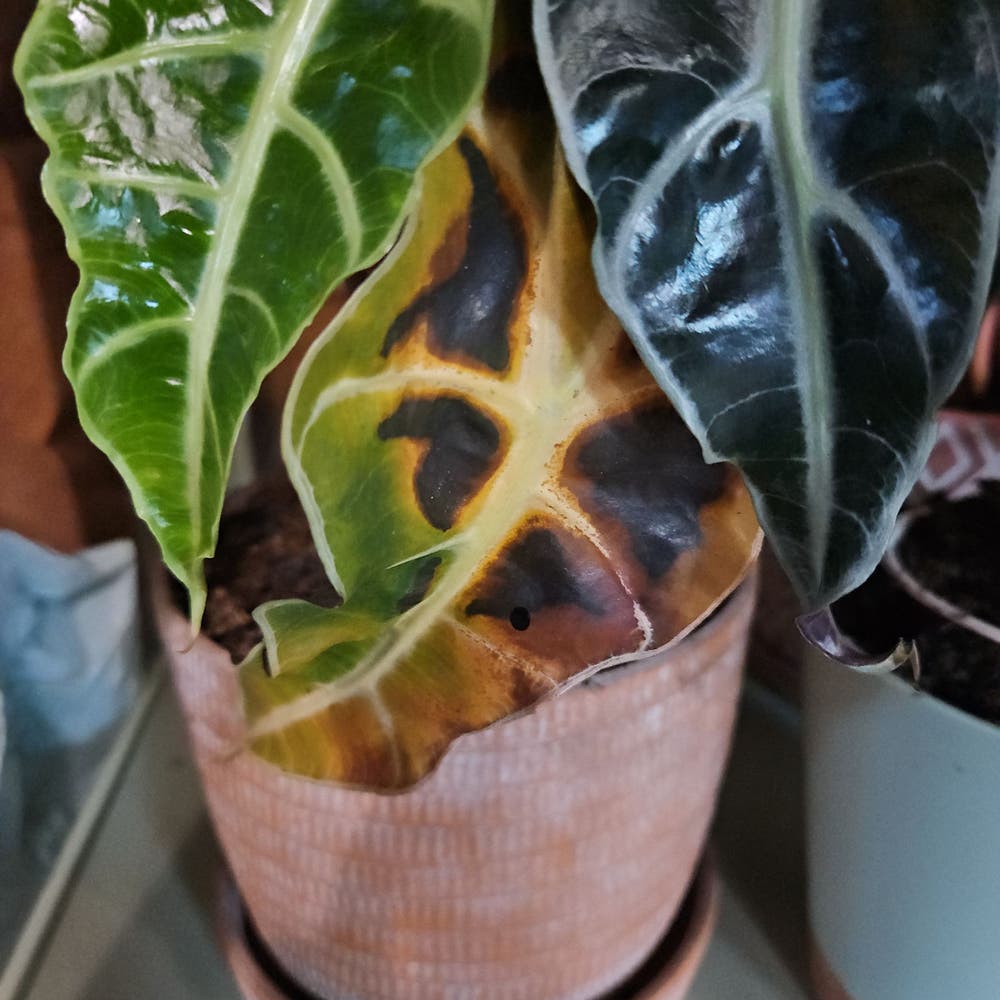
Growing Arum can be rewarding, but sometimes plants show signs of stress. Look out for wilting, yellowing leaves, or stunted growth, which may indicate that something's off.
To address these issues, first adjust your care routine. Ensure you're providing the right amount of water and nutrients, and keep an eye out for pests or diseases that might be affecting your plant's health.
Pests and Diseases 🐛
Pests can be a nuisance for Arum growers. Common culprits include aphids, slugs, and snails, which can damage leaves and hinder growth.
To manage these pests, regularly inspect your plants and take action as needed. Additionally, ensure proper drainage and air circulation around your Arum to prevent diseases from taking hold. Healthy plants are less susceptible to issues, so proactive care is key.
With these tips, you can keep your Arum thriving and beautiful. Next, let’s explore effective cultivation techniques to enhance your growing experience.
Cultivation Techniques
🌱 Step-by-Step Guide to Planting Arum
Planting Arum is straightforward and rewarding. Follow these simple steps for success:
- Selecting the right time: Aim for early spring or fall when temperatures are mild.
- Preparing the planting hole: Dig a hole that is twice the size of the root ball to give the plant ample space.
- Planting depth: Ensure the crown of the plant is level with the soil surface for optimal growth.
🪴 Container vs. Outdoor Growing
Deciding between container and outdoor growing depends on your space and preferences.
- Container growing: Perfect for limited spaces; just make sure to use pots with drainage holes to prevent waterlogging.
- Outdoor growing: Ideal for garden beds that provide adequate shade and moisture, allowing Arum to thrive.
🌦️ Seasonal Care
Caring for your Arum throughout the seasons ensures healthy growth.
Spring
As growth resumes, it's time to focus on fertilization and watering. Begin regular care to support new shoots.
Summer
During the hot months, monitor moisture levels closely. Increase watering to keep the soil consistently moist.
Fall
As the season changes, start preparing for dormancy. Reduce watering and stop fertilization to help the plant rest.
Winter
In colder climates, implement protection strategies. Mulch around the roots to insulate them from freezing temperatures.
🌿 Propagation Methods
Propagating Arum can be done through seeds or division, both effective methods to expand your garden.
Seeds
- Timing: Sow seeds in early spring for the best results.
- Germination time: Expect germination in 2-4 weeks under optimal conditions.
Division
- Best time: Late summer or early fall is ideal for dividing tubers.
- Division process: Carefully separate the tubers and replant them immediately to ensure they establish well.
With these cultivation techniques, you’re well on your way to growing healthy and vibrant Arum plants. Next, let’s explore how to troubleshoot common challenges you might face along the way.
⚠️ Safety First
This content is for general information and may contain errors, omissions, or outdated details. It is not medical, veterinary advice, or an endorsement of therapeutic claims.
Always consult a qualified healthcare professional before using any plant as food, medicine, or supplement.
Never eat any plant (or feed one to pets) without confirming its identity with at least two trusted sources.
If you suspect poisoning, call Poison Control (800) 222-1222, the Pet Poison Helpline (800) 213-6680, or your local emergency service immediately.
Spotted an error? Please report it here.
Nurture your Arum to bloom beautifully 🌿 by using Greg's tailored reminders for moisture and care, ensuring your plant thrives in its perfect environment!