3 Key Winter Strategies for Arum ❄️
Arum maculatum
By the Greg Editorial Team
Jan 07, 2025•6 min read
This article was created with the help of AI so we can cover more plants for you. May contain errors. See one? Report it here.
Unlock vibrant spring growth for your Arum plants by mastering essential winter care techniques! 🌱❄️
- 🌱 Arum can be dormant or evergreen, each needing different winter care strategies.
- ❄️ Frost protection is vital; use mulch and frost cloths to safeguard sensitive species.
- 🌿 Winter fertilization supports health; apply slow-release fertilizer in late winter for growth.
Dormancy vs. Evergreen Characteristics
🌱 Characteristics of Dormant and Evergreen Arum
Dormancy in Arum species is a fascinating survival strategy. During this period, which typically spans from late fall to early spring, dormant Arum exhibit distinct characteristics such as leaf dieback and reduced metabolic activity.
This natural process allows them to conserve energy and resources when conditions are less favorable. As temperatures drop and daylight decreases, these plants retreat into a state of rest, preparing for the rejuvenation that spring brings.
In contrast, evergreen Arum species maintain their vibrant foliage throughout the winter months. These resilient plants continue photosynthesis, showcasing their ability to thrive even in colder conditions.
Evergreen Arum species, such as Arum italicum, require specific care to flourish. They benefit from consistent moisture and protection from harsh winds, ensuring they remain healthy and vibrant until the warmth of spring arrives.
Importance of Frost Protection
Protecting Arum from Frost ❄️
Frost can be a significant threat to various Arum species, making frost protection essential for their survival. Understanding which species are frost-sensitive helps you implement the right protective measures.
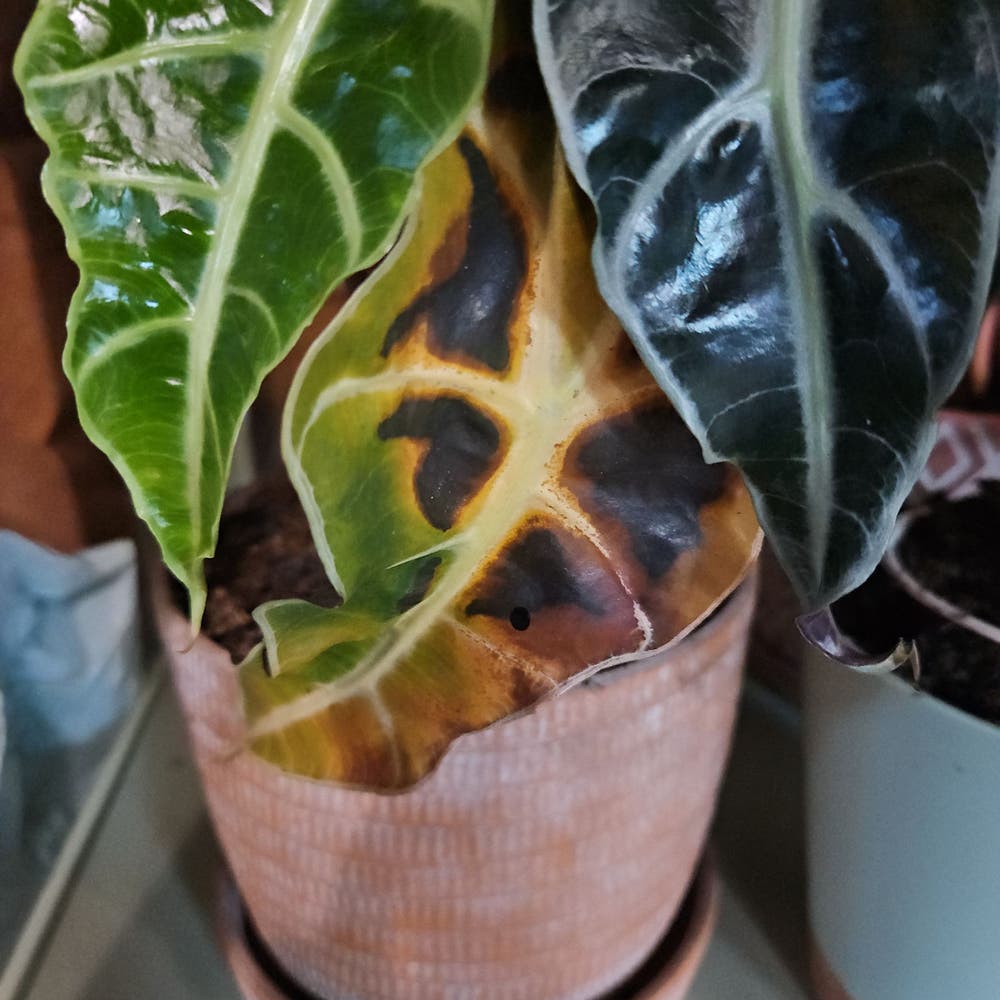
Some Arum species, particularly those that are not native to colder climates, require specific frost protection. Look for signs of frost damage, such as leaf discoloration, wilting, and dieback, to assess the health of your plants.
Methods for Protecting Arum from Frost 🛡️
To safeguard your Arum during frosty conditions, consider these effective methods:
Mulching: Apply a layer of organic mulch, about 3-4 inches thick, around the base of your plants. This helps insulate the roots and retain soil warmth.
Covering: Use frost cloths or burlap to shield your Arum from extreme cold. These materials provide a protective barrier against harsh temperatures.
Location: For potted Arum, move them indoors or to a sheltered area during frost events. This simple step can prevent frost damage and ensure their continued health.
By implementing these strategies, you can help your Arum thrive even in the coldest months. Next, let’s explore how to adjust watering schedules to meet the unique needs of your plants during winter.
Adjusting Watering Schedules
🌨️ Winter Watering Needs
When it comes to watering Arum in winter, moderation is key. You should reduce watering frequency to prevent root rot, ensuring you check the soil moisture before each watering session.
To gauge soil moisture, look for signs of overwatering, like yellowing leaves, or underwatering, which can cause wilting. These indicators will help you maintain the right balance for your plants.
🌿 Specific Watering Adjustments for Dormant vs. Evergreen Arum
Dormant Arum species require minimal watering during the winter months. Allow the soil to dry out completely between waterings to mimic their natural dormancy period.
In contrast, evergreen Arum needs a bit more attention. Keep the soil slightly moist, but be careful not to let it dry out entirely. This balance will support their ongoing photosynthesis and overall health during the colder months.
By adjusting your watering schedule according to these guidelines, you can ensure your Arum thrives, whether it's resting or actively growing. Next, let’s explore the importance of frost protection for your Arum plants.
Fertilizing in Winter
Fertilization Guidelines 🌱
Fertilizing your Arum during winter is crucial for their health and vitality. Nutrients play a significant role in supporting these plants as they prepare for the upcoming growth season.
Importance of Winter Fertilization ❄️
During winter, Arum species may not be actively growing, but they still require essential nutrients to maintain their health. A well-balanced fertilization strategy can help ensure they emerge strong and ready for spring.
Recommended Fertilization Practices 📝
Type of Fertilizer: Opt for a balanced, slow-release fertilizer. This type provides a steady supply of nutrients without overwhelming the plant.
Timing: Apply fertilizer sparingly in late winter. This timing helps prepare your Arum for the burst of growth that comes with warmer temperatures.
Dosage: Always follow the package instructions for dosage. Over-fertilizing can harm your plants, so it’s better to err on the side of caution.
By following these guidelines, you can help your Arum thrive through the winter months. This preparation sets the stage for a vibrant spring, ensuring your plants are ready to flourish as the weather warms up.
As you consider fertilization, remember that the right care now will pay off later. Let's move on to how to transition your Arum indoors during the colder months.
Indoor Care During Winter Months
🌱 Transitioning Arum Indoors
As winter approaches, it's crucial to recognize the signs that indicate it's time to bring your Arum indoors. Generally, when nighttime temperatures consistently drop below 50°F (10°C), it's a good cue to make the move.
Temperature Thresholds
Different Arum species have varying tolerances to cold. Monitor local climate conditions to ensure your plants are protected from frost and freezing temperatures.
🏠 Indoor Care Requirements for Arum
Once indoors, your Arum will need specific care to thrive during the winter months.
Light Conditions
Provide bright, indirect light for your Arum. Direct sunlight can scorch the leaves, so position them near a window with filtered light.
Humidity Levels
Arum loves humidity, so aim to maintain higher levels indoors. Consider using a humidity tray filled with water and pebbles to create a more favorable environment.
Watering Adjustments
Monitoring soil moisture is key during winter. Adjust your watering schedule based on the plant's needs, ensuring the soil remains slightly moist but not soggy.
Transitioning your Arum indoors can be a rewarding experience. With the right care, your plants will thrive and be ready for the spring season ahead.
Spring Preparation and Recovery
🌨️ Signs of Winter Damage
As winter fades, it's crucial to assess your Arum for any signs of damage. Look for leaf issues such as browning, wilting, or even complete dieback, which can indicate stress from the cold.
Additionally, check the root health. Signs of rot or disease can be detrimental, so ensure the roots are firm and healthy.
🛠️ Steps for Recovery from Winter Damage
If you discover damage, don’t worry—there are effective recovery techniques.
Pruning: Start by removing any dead or damaged foliage. This encourages new growth and helps the plant focus its energy on healthier parts.
Soil Assessment: Next, check the soil quality. If it seems compacted or depleted, amend it with organic matter to improve drainage and nutrient content.
Watering: As temperatures rise, gradually increase your watering. This helps the plant rehydrate without overwhelming it.
🌱 Preparing for Spring Growth
Transitioning care from winter to spring is essential for your Arum's revival. Watch for signs of new growth, such as fresh shoots or vibrant leaves, as temperatures warm.
Adjust your watering and fertilization schedules accordingly. Increased light and warmth mean your Arum will need more moisture and nutrients to thrive.
🌞 Tips for Transitioning Arum from Indoor to Outdoor Conditions
If your Arum has been indoors, it’s time to acclimatize it to outdoor conditions.
Acclimatization: Gradually expose your Arum to the outdoors over 7-10 days. This helps prevent shock from sudden temperature changes.
Planting Location: Choose a suitable outdoor spot with adequate sunlight and good drainage. This will set your Arum up for a successful growing season.
With these steps, your Arum will be well-prepared to flourish in the spring. Embrace the season of growth and watch your plants thrive!
⚠️ Safety First
This content is for general information and may contain errors, omissions, or outdated details. It is not medical, veterinary advice, or an endorsement of therapeutic claims.
Always consult a qualified healthcare professional before using any plant as food, medicine, or supplement.
Never eat any plant (or feed one to pets) without confirming its identity with at least two trusted sources.
If you suspect poisoning, call Poison Control (800) 222-1222, the Pet Poison Helpline (800) 213-6680, or your local emergency service immediately.
Spotted an error? Please report it here.
Ensure your Arum plants receive the best winter care ❄️ with Greg's tailored reminders and expert tips, setting them up for vibrant spring growth!