🌺 Everything You Need to Know About Lords-and-Ladies
Arum maculatum
By the Greg Editorial Team
Jan 10, 2025•11 min read
This article was created with the help of AI so we can cover more plants for you. May contain errors. See one? Report it here.
Elevate your shaded garden with the enchanting Lords-and-Ladies plant 🌿—a low-maintenance beauty that thrives effortlessly!
- 🌿 Lords-and-Ladies thrive in shade, perfect for dim garden corners.
- ⚠️ Toxic to pets and humans; ingestion causes nausea and vomiting.
- 🌱 Low maintenance once established, ideal for busy gardeners.
How to Grow
Choosing a Location 🌳
Lords-and-Ladies thrive in partial to full shade, making them perfect for those dim corners of your garden. It's crucial to avoid direct sunlight, as it can lead to unsightly leaf scorch.
Soil Preparation 🏞️
For optimal growth, ensure your soil is well-drained and rich in organic matter. Aim for a slightly acidic to neutral pH level, ideally between 6.0 and 7.0.
Planting Techniques 🌱
When planting, dig a hole that is 2-3 inches deep. Space your plants 12-18 inches apart to give them room to flourish.
Watering Requirements 💧
Keep the soil consistently moist, but be careful not to waterlog it. Look out for signs of overwatering, like yellowing leaves, or underwatering, which can cause wilting.
Fertilizing Tips 🌼
Start fertilizing in early spring with a balanced fertilizer to kickstart growth. Organic options, such as compost or well-rotted manure, work wonders for your plants.
Pruning and Ongoing Care ✂️
Regularly prune by removing dead or damaged leaves to encourage healthy growth. Keep an eye out for pests and diseases to maintain your plant's vitality.
Outdoor vs. Container Growing 🏡
If you’re growing in containers, choose a large pot with drainage holes to prevent water buildup. For outdoor planting, ensure there's adequate space and moisture retention to support your Lords-and-Ladies.
With these tips, you're well on your way to cultivating a thriving patch of Lords-and-Ladies. Next, let's explore how to propagate these fascinating plants!
Propagation
🌱 Seed Propagation
Spring is the ideal time for seed propagation of Lords-and-Ladies. To ensure successful germination, keep the seeds moist and warm, creating a cozy environment for them to sprout.
✂️ Division of Rhizomes
Dividing rhizomes is best done every 3-4 years, ideally in early spring or fall. To do this, carefully separate the rhizomes and replant them, giving each new plant a chance to thrive in its own space.
Propagation is a rewarding process that allows you to expand your garden while nurturing these unique plants. With the right timing and techniques, you can enjoy a flourishing display of Lords-and-Ladies for years to come.
Next, let's explore the lifecycle of this fascinating plant and understand its growth stages.
Lifecycle
Lifecycle Stages 🌱
Lords-and-Ladies is a perennial plant, meaning it lives for multiple years. This resilience allows it to thrive through various seasons, showcasing its beauty year after year.
Germination Process 🌱
Seeds typically take 2-4 weeks to germinate under the right conditions. Keeping the seeds moist and warm is crucial for successful sprouting.
Seedling Stage 🌱
Once germinated, small, arrow-shaped leaves begin to emerge. This stage marks the plant's transition from seed to a young plant, setting the foundation for future growth.
Vegetative Growth 🌱
In spring, Lords-and-Ladies enters a phase of rapid leaf development. This lush growth is essential for photosynthesis and overall plant health.
Flowering and Seed Production 🌱
The flowering stage occurs from late spring to early summer. During this time, the plant produces seeds, ensuring its continuation for future generations.
Lifespan 🌱
Lords-and-Ladies can live for several years, reaching full maturity in about 2-3 years. This longevity makes it a valuable addition to any garden, providing beauty and interest over time.
As we explore the lifecycle of Lords-and-Ladies, it's clear that understanding its growth stages is essential for successful cultivation. Next, we’ll delve into the size of this fascinating plant and what you can expect in terms of height and spread.
Size
Mature Height and Spread 🌱
Lords-and-Ladies typically reach an average height of 12 to 18 inches. Their spread can vary from 12 to 24 inches, depending on the growing conditions.
Growth Rate and Size Variability 📈
Several factors influence the size of Lords-and-Ladies, including soil quality, moisture levels, and light conditions. Ensuring optimal conditions can lead to more vigorous growth and a fuller plant.
Understanding these size characteristics helps you plan your garden layout effectively. With the right care, these plants can thrive and enhance your garden's aesthetic.
As we explore the next section, let's dive into the fascinating lifecycle of Lords-and-Ladies and how it contributes to their growth and development.
Roots
Root System Characteristics 🌱
Lords-and-Ladies feature a rhizomatous root system. This type of root structure allows the plant to spread and thrive in various conditions.
Depth and Spread of Roots 📏
Typically, the roots grow to a depth of 6-12 inches. They can extend wider than the plant's canopy, providing stability and access to nutrients.
Common Root-Related Issues ⚠️
One of the most common issues is root rot, which occurs due to overwatering. It's crucial to monitor soil moisture to prevent this problem.
Identifying Healthy vs. Unhealthy Roots 🔍
Healthy roots are firm, white, and spread out evenly. In contrast, unhealthy roots appear dark, mushy, or emit a foul smell, indicating potential problems.
Recognizing Rootbound Plants 🪴
Signs of rootbound plants include roots growing out of drainage holes. To remedy this, consider repotting or dividing the plant to promote healthier growth.
Understanding the root system of Lords-and-Ladies is essential for their care. By keeping an eye on root health, you can ensure your plants thrive beautifully.
Benefits
Top 5 Benefits 🌟
Lords-and-Ladies are a fantastic addition to any shaded garden, offering a unique aesthetic appeal. Their striking foliage can brighten up even the gloomiest corners of your outdoor space.
These plants are not just pretty; they also attract pollinators like bees, which are essential for a healthy garden ecosystem. By planting Lords-and-Ladies, you contribute to the well-being of these vital creatures.
Historically, Lords-and-Ladies have been used for medicinal purposes, although caution is necessary due to their toxicity. Always remember to handle them with care, especially if you have children or pets around.
Their unique foliage adds diversity to garden landscapes, making them a conversation starter. The distinct shape of their leaves can create visual interest and contrast with other plants.
Once established, Lords-and-Ladies require low maintenance, making them perfect for busy gardeners. With the right conditions, they thrive with minimal effort, allowing you to enjoy their beauty without constant care.
Incorporating Lords-and-Ladies into your garden not only enhances its beauty but also supports local wildlife and requires little upkeep. Next, let’s explore the concept of companion planting and how it can further enrich your gardening experience.
Companion Plants
🌱 Concept of Companion Planting
Companion planting is all about creating a harmonious garden ecosystem. By pairing plants that benefit each other, you can enhance garden diversity and improve pest management.
🌼 Best Companion Plants
When it comes to Lords-and-Ladies, consider planting them alongside ferns, hostas, and other shade-loving plants. These companions thrive in similar conditions, ensuring a lush and vibrant garden.
🚫 Plants to Avoid
It's best to steer clear of plants that require full sun or dry conditions. Such plants can compete for resources and create an unfavorable environment for your Lords-and-Ladies.
By choosing the right companions, you can cultivate a thriving garden that not only looks beautiful but also supports the health of your plants. Next, let’s explore the potential toxicity of Lords-and-Ladies to humans, dogs, and cats.
Toxicity to Humans
Lords-and-Ladies is a beautiful yet dangerous plant. All parts of this plant are toxic, with the berries and sap being particularly hazardous.
⚠️ Symptoms of Poisoning
If ingested or if the sap comes into contact with skin, symptoms can include nausea, vomiting, diarrhea, and abdominal pain. These reactions can vary in severity, so it's crucial to be aware of them.
🧪 Risk of Exposure
Poisoning can occur through direct ingestion of the plant or exposure to its sap. Always handle this plant with care to avoid any adverse effects.
🚑 Seeking Medical Attention
If severe symptoms arise or ingestion is suspected, seek immediate medical care. Quick action can make a significant difference in treatment outcomes.
Understanding the toxicity of Lords-and-Ladies is essential for safe gardening. Next, we’ll explore how this plant can also pose risks to our furry friends—dogs.
Toxicity to Dogs
Lords-and-Ladies is a beautiful plant, but it's important to note that all parts are toxic to dogs, with the berries being particularly dangerous. If your furry friend ingests any part of this plant, it can lead to serious health issues.
🐶 Symptoms of Poisoning
Watch for symptoms such as drooling, vomiting, diarrhea, and weakness. These signs indicate that your dog may have consumed something harmful.
⚠️ How Poisoning Occurs
Poisoning can happen through direct ingestion of the plant or exposure to its sap. It's crucial to keep your pets away from this plant to prevent any accidental poisoning.
🚑 What to Do If Ingestion Occurs
If you suspect your dog has ingested Lords-and-Ladies, seek immediate veterinary care. Quick action can make a significant difference in your pet's recovery.
By being aware of the toxicity of Lords-and-Ladies, you can enjoy your garden while keeping your canine companions safe. Next, let’s explore the toxicity of this plant to cats, as they are also at risk.
Toxicity to Cats
Lords-and-Ladies is highly toxic to cats, with all parts of the plant posing a risk, especially the berries. If your feline friend nibbles on this plant, it can lead to serious health issues.
🐱 Symptoms of Poisoning
Watch for symptoms such as drooling, vomiting, diarrhea, and weakness. These signs indicate that your cat may have ingested or come into contact with the plant's sap.
🚪 Routes of Poisoning
Poisoning can occur through direct ingestion of the plant or exposure to its sap. It's crucial to monitor your pets closely, especially in gardens where Lords-and-Ladies may grow.
🚑 Immediate Action Required
If you suspect your cat has ingested any part of the Lords-and-Ladies, seek immediate veterinary care. Quick action can make a significant difference in your cat's recovery.
🛡️ Prevention Tips
To keep your cat safe, consider removing Lords-and-Ladies from your garden or placing it in an area that is inaccessible to pets. Awareness and prevention are key to ensuring your furry companions stay healthy and happy.
Problems
Common Problems Faced 🌱
Lords-and-Ladies can encounter several common issues that affect their health and growth.
- Incorrect Watering: Overwatering can lead to root rot, while underwatering causes wilting.
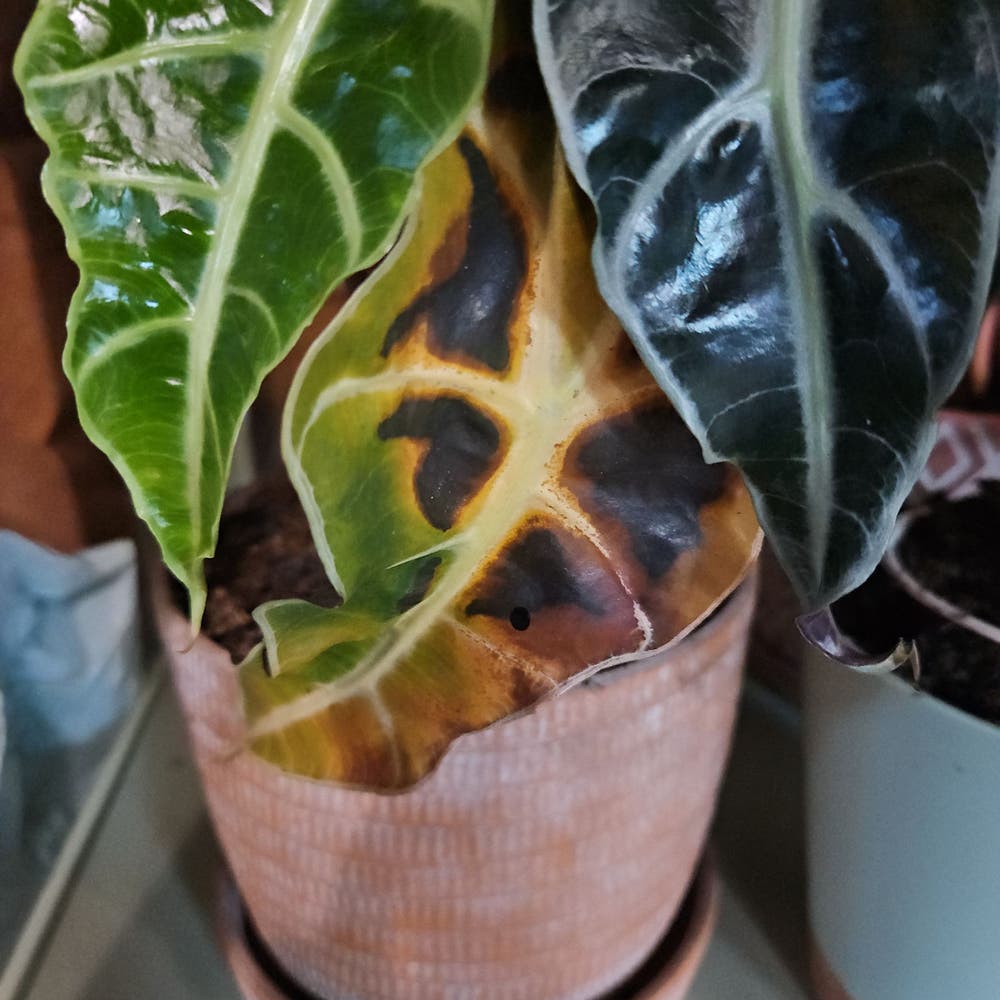
- Incorrect Light Conditions: Insufficient light may result in leggy growth, while too much sun can scorch the leaves.
- Incorrect Temperature: Cold temperatures can damage the plant during winter months.
- Diseases: Fungal diseases, such as powdery mildew, can appear under unfavorable conditions.
- Growth Problems: Stunted growth or failure to flower can signal underlying issues.
Identifying Symptoms and Causes 🔍
Recognizing the symptoms of these problems is crucial for effective management.
- Watering Issues: Yellowing leaves indicate overwatering, while crispy edges suggest underwatering.
- Light Problems: Leaf scorch appears as brown patches, while leggy growth results in elongated stems.
- Temperature Stress: Wilting or browning leaves can indicate cold damage.
- Diseases: Powdery mildew presents as a white, powdery coating on leaves.
- Growth Issues: Lack of flowers or slow growth can stem from nutrient deficiencies or poor care.
Solutions for Each Problem 🛠️
Addressing these problems involves straightforward solutions.
- Watering: Adjust your watering schedule to keep the soil consistently moist but not soggy.
- Light Conditions: Move the plant to a location with partial shade to prevent scorch and promote healthy growth.
- Temperature: Protect plants from extreme cold by covering them or moving them indoors during harsh weather.
- Diseases: Treat fungal issues with organic fungicides and ensure good air circulation around the plants.
- Growth Problems: Fertilize with a balanced fertilizer and ensure proper spacing to encourage healthy development.
By staying vigilant and proactive, you can keep your Lords-and-Ladies thriving. Next, let’s explore the fascinating world of pests that may threaten your plants.
Bugs
🐛 Potential Pest Issues
Lords-and-Ladies can face various pest challenges, impacting their health and growth. Understanding their resistance and susceptibility to pests is crucial for effective management.
🔍 Identification of Pests
Common pests that may target Lords-and-Ladies include spider mites, aphids, and mealybugs. Recognizing these pests early can prevent significant damage to your plants.
⚠️ Damage Caused by Pests
Infestations can lead to several symptoms, such as yellowing leaves, stunted growth, and webbing from spider mites. Look for sticky residue or a general decline in plant vigor as indicators of pest problems.
🧪 Treatment Options
To combat pests, consider both organic and chemical treatments. Neem oil, insecticidal soap, and diatomaceous earth are effective organic options, while chemical pesticides can be used as a last resort.
By staying vigilant and addressing pest issues promptly, you can keep your Lords-and-Ladies thriving and beautiful. Next, let’s explore what animals might be lurking around your garden, potentially causing damage to your plants.
What Eats Lords-and-Ladies
Common Animals That May Damage 🦌
Lords-and-Ladies can attract a variety of hungry critters. Common culprits include deer, rabbits, squirrels, and birds, all of which may find these plants irresistible.
Signs of Animal Presence 🕵️♂️
Identifying animal visitors is crucial for protecting your plants. Look for tracks, droppings, and signs of damaged foliage, which can indicate that your Lords-and-Ladies are being nibbled on.
Damage Caused by Animals 🐾
The types of damage caused by these animals can vary. They may browse on leaves, leading to unsightly holes, or even uproot the plants entirely, disrupting their growth.
Deterrent Methods 🚫
To safeguard your Lords-and-Ladies, consider both chemical and organic control methods. Options include using repellents, installing physical barriers, or planting companion plants that deter these animals.
By staying vigilant and implementing these strategies, you can help ensure your Lords-and-Ladies thrive despite the presence of hungry wildlife. Next, let’s explore the potential pest issues that can also affect these plants.
⚠️ Safety First
This content is for general information and may contain errors, omissions, or outdated details. It is not medical, veterinary advice, or an endorsement of therapeutic claims.
Always consult a qualified healthcare professional before using any plant as food, medicine, or supplement.
Never eat any plant (or feed one to pets) without confirming its identity with at least two trusted sources.
If you suspect poisoning, call Poison Control (800) 222-1222, the Pet Poison Helpline (800) 213-6680, or your local emergency service immediately.
Spotted an error? Please report it here.
Transform your dim garden corners into a lush retreat 🌿 with Lords-and-Ladies, and let Greg guide you with customized care reminders to keep them thriving!