💧 Ultimate Guide to Humidity for Arum
Arum maculatum
By the Greg Editorial Team
Jan 07, 2025•3 min read
This article was created with the help of AI so we can cover more plants for you. May contain errors. See one? Report it here.
Keep your Arum plants thriving 🌱 by mastering humidity control for vibrant growth and health all year round!
- 🌬️ Arum plants thrive in humidity levels of 60% to 80% for optimal health.
- 💧 Use humidifiers and pebble trays to maintain consistent moisture around Arum plants.
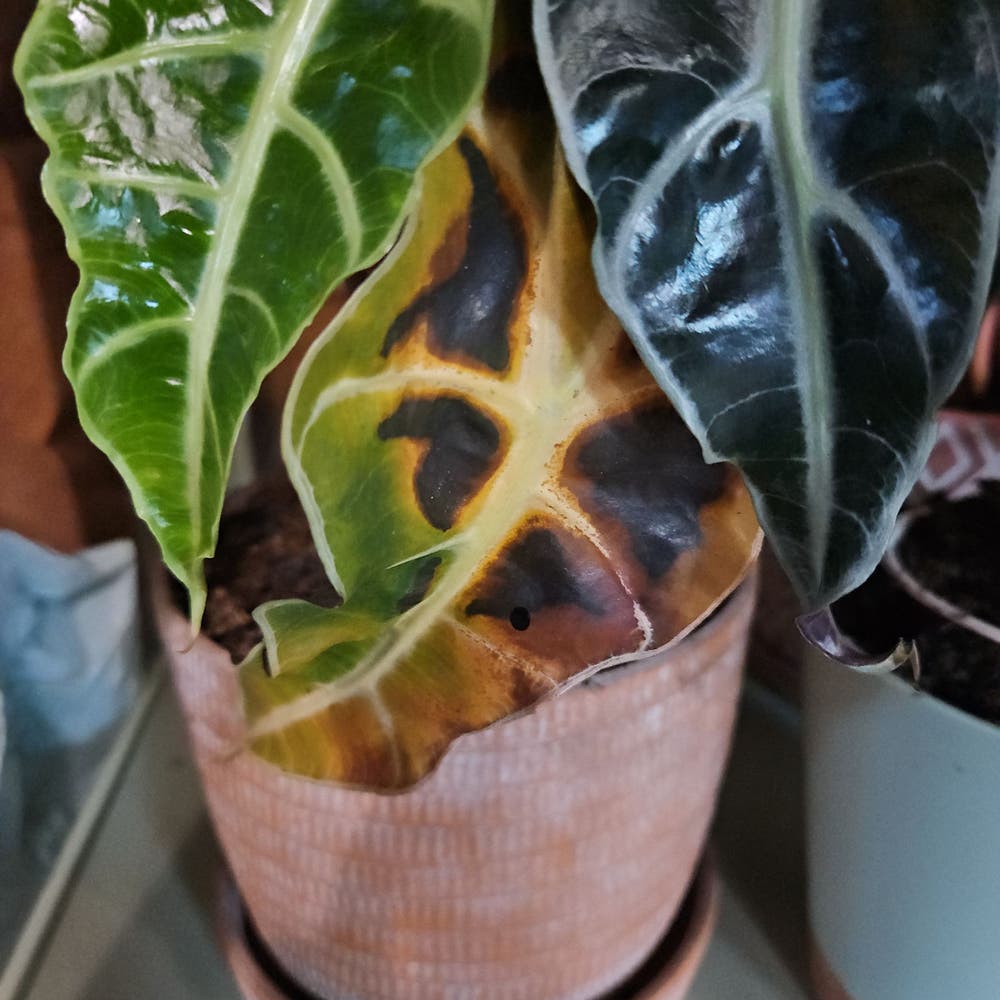
- 🌱 Signs of low humidity include leaf curling and browning; adjust care accordingly.
Humidity Needs of Arum
🌧️ Importance of humidity for Arum health
Arum plants flourish in high humidity environments, which are essential for their overall health and growth. Adequate humidity influences transpiration rates, nutrient uptake, and the vitality of their leaves.
🌈 Ideal humidity range for Arum
The optimal relative humidity for Arum plants lies between 60% and 80%. Maintaining consistent moisture levels in the air is crucial to prevent stress and ensure robust growth.
💧 Strategies for Managing Humidity
🌿 Methods to boost humidity for Arum
Using humidifiers: Consider both cool mist and warm mist humidifiers. Place them near your Arum plant for the best results.
Grouping plants together: Cluster your Arum with other plants to create a microenvironment that retains higher humidity. Aim for spacing of 1-2 feet apart to allow for proper airflow.
Pebble trays and water features: To create a pebble tray, fill a shallow tray with pebbles and water, ensuring the pot sits above the waterline. Water features can also enhance ambient humidity through evaporation.
Misting techniques: Mist your Arum daily or every few days, depending on the humidity levels. The best times to mist are early morning or late afternoon to avoid leaf burn.
🌬️ Methods to reduce humidity for Arum
Proper air circulation: Ensure good airflow to prevent stagnant air, which can lead to mold. Use fans or open windows for effective ventilation.
Avoiding overwatering: Watch for signs of overwatering, such as yellowing leaves and soggy soil. Allow the top inch of soil to dry out before watering again.
Using dehumidifiers: Use dehumidifiers in overly humid environments or during wet seasons. Place them in the same room as your Arum for effective moisture control.
🍂 Seasonal Considerations
❄️ Humidity changes with seasons
In winter, indoor heating can significantly lower humidity levels. Conversely, summer often brings higher outdoor humidity, which may require additional management indoors.
☀️ Adjusting humidity strategies based on seasonal variations
In winter, increase misting and utilize humidifiers to combat dryness. During summer, keep an eye out for excess humidity and ensure proper drainage to maintain a healthy environment.
⚠️ Common Humidity-Related Problems
🌵 Signs of humidity stress in Arum
Low humidity can lead to leaf curling, browning, and wilting. On the other hand, high humidity may cause mold growth on leaves and soil.
🛠️ Solutions for humidity-related issues
For low humidity, implement boosting strategies immediately to restore balance. If humidity is too high, increase air circulation and reduce watering frequency to alleviate stress on your Arum.
By understanding and managing humidity levels, you can ensure your Arum plants thrive beautifully in your home.
⚠️ Safety First
This content is for general information and may contain errors, omissions, or outdated details. It is not medical, veterinary advice, or an endorsement of therapeutic claims.
Always consult a qualified healthcare professional before using any plant as food, medicine, or supplement.
Never eat any plant (or feed one to pets) without confirming its identity with at least two trusted sources.
If you suspect poisoning, call Poison Control (800) 222-1222, the Pet Poison Helpline (800) 213-6680, or your local emergency service immediately.
Spotted an error? Please report it here.
Keep your Arum plants thriving in high humidity 🌿 by using Greg's tailored tips and reminders to maintain the perfect moisture levels all year round!