Year-Round Light Requirements For My Lords-and-ladies
Arum maculatum
By the Greg Editorial Team
Mar 22, 2024•3 min read
This article was created with the help of AI so we can cover more plants for you. May contain errors. See one? Report it here.
Ensure your Lords-and-ladies flourish with these essential tips for optimal light, indoors and out. 🌿✨
- 🌿 Partial shade outdoors prevents leaf crisp and promotes thriving Lords-and-ladies.
- 💡 Bright, indirect sunlight indoors is key for optimal growth.
- 🌞 Use grow lights effectively to supplement natural light and encourage blooming.
Basking in the Great Outdoors
⛅️ Finding the Sweet Spot: Partial Shade and Lords-and-ladies
Lords-and-ladies are shade seekers by nature. Mimicking their woodland origins, they thrive in dappled sunlight—think morning rays with afternoon siestas. For outdoor placement, aim for a spot that's sunny in the AM and shady post-noon. This balance prevents the dreaded leaf crisp.
🛡️ Protecting Your Plant from Too Much Sun
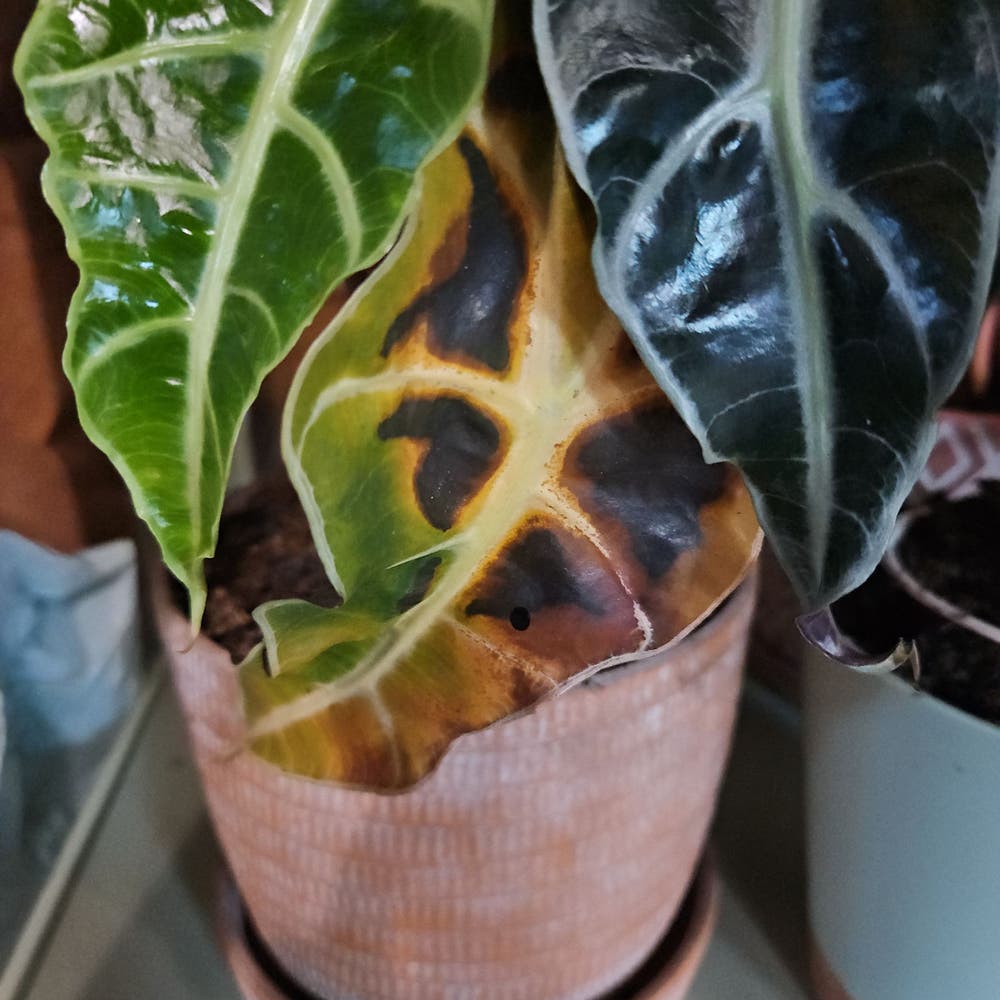
Yellowing leaves? That's your plant crying out for sunscreen. During the solar smackdown of peak hours, employ a shade cloth or position your Lords-and-ladies behind taller plants. It's a simple move that can save your green buddy from a crispy fate. Stay alert and ready to shuffle your plant to a shadier locale if it starts looking sun-kissed in a not-so-charming way.
Thriving Indoors: A Light Guide
🌞 The Indoor Lighting Balancing Act
Ideal indoor light conditions for Lords-and-ladies mimic their natural understory habitat. Bright, indirect sunlight is the golden ticket. Too little light, and you'll notice your plant's growth stalling, while too much can scorch its leaves.
To monitor light exposure, observe your plant's response. New growth is a thumbs-up; yellowing or crispy leaves, not so much. Rotate your plant regularly to ensure even light distribution. A sheer curtain can diffuse harsh sunlight, protecting your green friend.
💐 Flower Power: Light's Role in Blooming Indoors
Blooming indoors is like the plant world's version of a mic drop. For Lords-and-ladies, adequate light is a backstage pass to flower town. But remember, indoor blooms are a bonus, not a given.
Keep your expectations realistic and focus on providing consistent, bright, indirect light. If your Lords-and-ladies decides to put on a floral show, consider it a high-five from Mother Nature.
Supplementing Sunshine: The Grow Light Game
💡 When Natural Light Isn't Enough
Your Lords-and-ladies may exhibit tell-tale signs of light deprivation. Look out for leggy stems, smaller leaves, or a general lack of vigor. If your plant is more Gollum in the cave than a flourishing green, it's time to consider grow lights.
💡 Choosing the Right Grow Light
LED grow lights are your plant's knight in shining armor, offering a full spectrum of light without the heat of a dragon's breath. They're energy-efficient and long-lasting, making them a top choice for indoor gardeners. Alternatively, fluorescent T5 or T8 tubes can save the day if you're guarding your gold coins, though they may not be as broad in their spectrum.
💡 Setting Up Your Grow Light
Position your grow light about 6 to 12 inches above your Lords-and-ladies, depending on the intensity. It's a balancing act; too close and you risk sunburn, too far and your plant might as well be in Narnia. Aim to mimic the sun's daily journey across the sky with a consistent light schedule, keeping in mind that even plants need their beauty sleep.
💡 Monitoring and Adjusting
Keep a watchful eye on your Lords-and-ladies as you would on a simmering potion. Adjust the grow light exposure based on your plant's response. Yellow leaves or a plant stretching like it's trying to escape its pot are cries for help. Tweak your setup as needed to maintain the perfect alchemy of light.
⚠️ Safety First
This content is for general information and may contain errors, omissions, or outdated details. It is not medical, veterinary advice, or an endorsement of therapeutic claims.
Always consult a qualified healthcare professional before using any plant as food, medicine, or supplement.
Never eat any plant (or feed one to pets) without confirming its identity with at least two trusted sources.
If you suspect poisoning, call Poison Control (800) 222-1222, the Pet Poison Helpline (800) 213-6680, or your local emergency service immediately.
Spotted an error? Please report it here.
Nurture your Lords-and-ladies to perfection 🌤 with Greg's PlantVision, ensuring they always bask in the ideal light for luscious growth.