How to Fertilize Your Lords-and-ladies
Arum maculatum
By the Greg Editorial Team
Mar 22, 2024•4 min read
This article was created with the help of AI so we can cover more plants for you. May contain errors. See one? Report it here.
Nurture a stunning Lords-and-ladies display 🌺 by nailing the perfect fertilization timing and mix!
- Organic vs. Synthetic: Choose for soil health or rapid results.
- NPK Ratio is Key: Nitrogen for greenery, phosphorus for blooms, potassium for health.
- Timing & Dosage Matter: Fertilize pre-bloom, adjust post-bloom, avoid over-fertilization.
Picking the Perfect Fertilizer
💩 Organic vs. Synthetic: Which Way to Go?
In the realm of Lords-and-ladies fertilization, organic fertilizers are the slow-releasing, soil-enriching tortoises to the synthetic hares. They're less likely to cause nutrient burn and promote beneficial microbes, but patience is key as they work at nature's leisurely pace. Synthetic fertilizers, on the other hand, offer a rapid nutrient infusion, perfect for gardeners eyeing immediate results. However, they come with a higher risk of overfeeding and lack the soil health benefits of their organic counterparts.
🌸 Key Nutrients for a Spectacular Bloom
For blooms that stop you in your tracks, zero in on the NPK ratio—nitrogen (N), phosphorus (P), and potassium (K). Nitrogen is your greenery guru, but too much and you'll drown in foliage without a flower in sight. Phosphorus is the bloom booster, critical for energy transfer and rooting. Potassium, the unsung hero, ensures overall plant health and vital functions like enzyme activation. Aim for a fertilizer with a higher phosphorus content to encourage those Lords-and-ladies to put on a floral show.
Timing is Everything: When to Fertilize
🌼 Pre-Bloom Prep
Timing fertilization is like catching a wave; you need to be there when the growth surge hits. For Lords-and-ladies, the pre-bloom phase is critical. Fertilize when the plant is gearing up for its flowering stage. This is the time to encourage strong root development and set the stage for those impressive blooms. Apply a balanced fertilizer, focusing on phosphorus to promote budding.
🌸 Post-Bloom Care
After the Lords-and-ladies have bloomed, it's time to switch gears. Adjust the fertilization to maintain plant health rather than promote growth. This post-bloom phase is about sustainability. Reduce the frequency of fertilization, allowing the plant to rest and recuperate. Think of it as a recovery phase, where the plant stores energy for the next blooming cycle.
Fertilizing Like a Pro
💡 Dosage Matters
Getting the dosage right for your Lords-and-ladies is crucial. Overdoing it can be as detrimental as not fertilizing at all. A half-strength diluted dose is often the sweet spot, preventing the risk of fertilizer burn. Always consult the manufacturer's instructions for the correct amount, and remember that a little goes a long way.
🌱 Application Techniques
Uniformity in application ensures that nutrients reach all parts of the plant equally. For liquid fertilizers, dilute according to the package's directions and apply to the soil, not the leaves, to quench your plant's thirst for nutrients. Use tools like a syringe for precision. Granular types should be evenly distributed and mixed into the soil. Always apply to moist soil to facilitate nutrient uptake and minimize the risk of root burn. Regular observation and adjustment are key; watch how your Lords-and-ladies respond and tweak your technique as needed.
Troubleshooting: Over-Fertilization and Its Fixes
🚨 Spotting Trouble
Recognizing the signs of too much love.
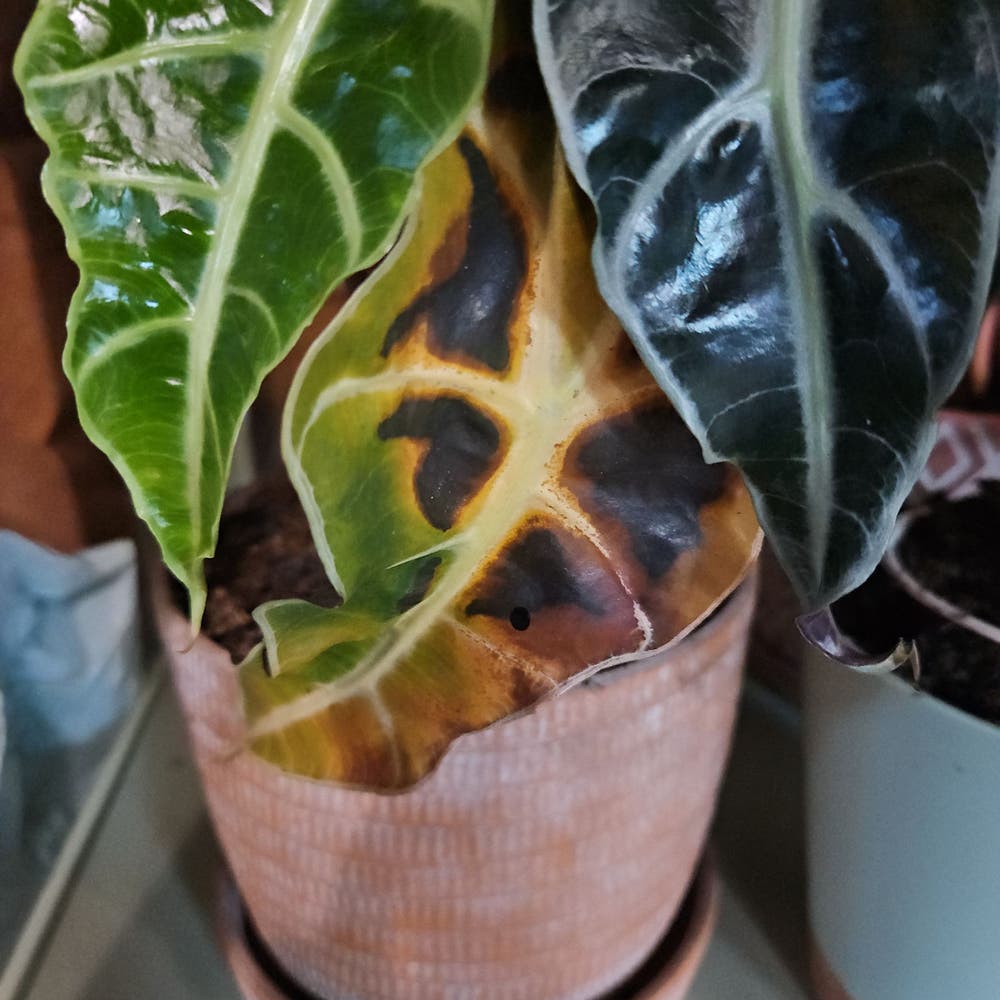
Your Lords-and-ladies show their distress in vivid ways. Look out for yellowing or brown leaves, especially at the tips and margins. A white, salty crust on the soil's surface is like a silent alarm for nutrient overload. Roots turning black or appearing soggy? That's a cry for help from beneath the soil. And if your plant's growth seems stunted or its leaves are wilting despite moist soil, it's time to intervene.
💉 Quick Fixes
Immediate actions to rescue an over-fertilized plant.
When you spot trouble, halt all fertilization. Remove any visible fertilizer from the soil's surface to prevent further harm. Next, flush the soil with water—think of it as a detox for your plant's roots. Repeat this process every few days, watching for signs of recovery. If you're dealing with a potted plant, consider repotting with fresh, nutrient-free soil. And those damaged leaves? Snip them off to prevent further stress. Remember, recovery takes time, so patience is key.
⚠️ Safety First
This content is for general information and may contain errors, omissions, or outdated details. It is not medical, veterinary advice, or an endorsement of therapeutic claims.
Always consult a qualified healthcare professional before using any plant as food, medicine, or supplement.
Never eat any plant (or feed one to pets) without confirming its identity with at least two trusted sources.
If you suspect poisoning, call Poison Control (800) 222-1222, the Pet Poison Helpline (800) 213-6680, or your local emergency service immediately.
Spotted an error? Please report it here.
Achieve spectacular blooms 🌿 for your Lords-and-ladies by leveraging Greg to nail the right NPK balance and avoid over-fertilization with ease.