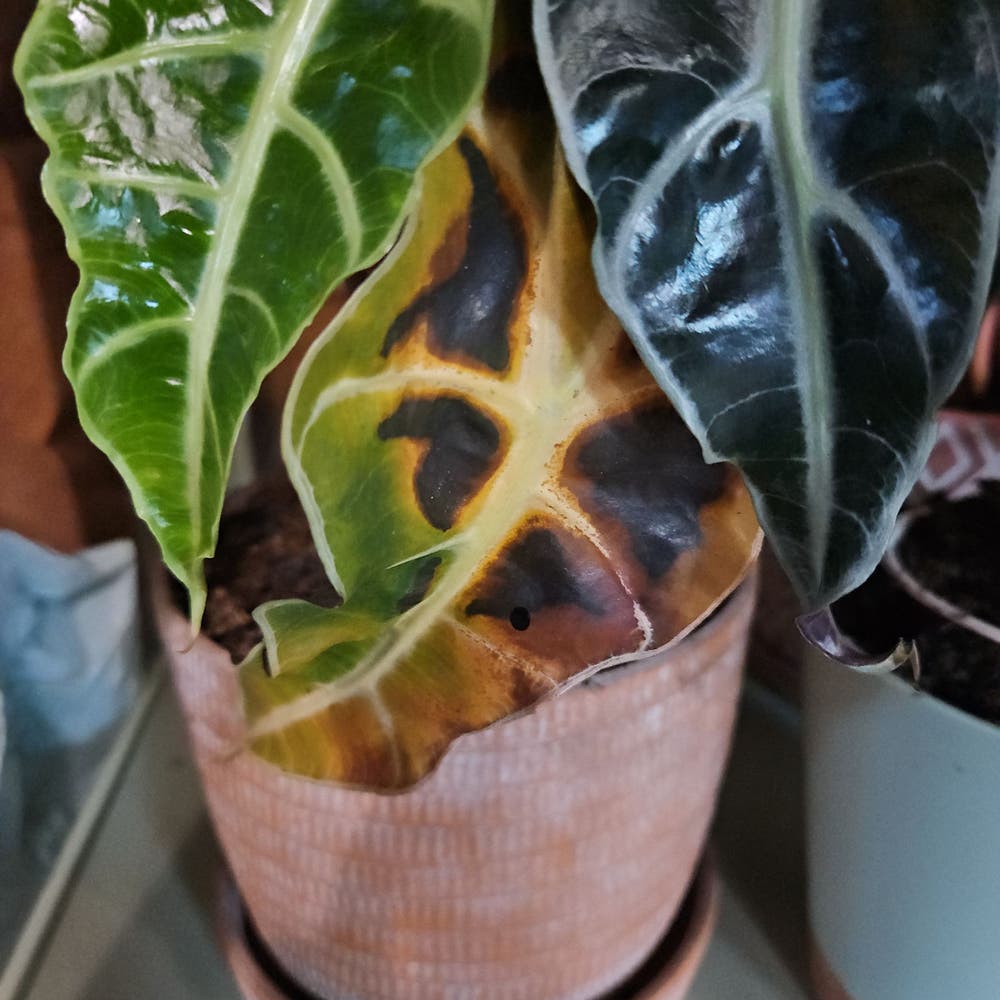
Why Are There Black Spots on My Lords-and-ladies Leaves?
Arum maculatum
By the Greg Editorial Team
Mar 22, 2024•5 min read
This article was created with the help of AI so we can cover more plants for you. May contain errors. See one? Report it here.
Banish black spots on your Lords-and-ladies 🍃 and keep your plants thriving with expert tips!
- Black spots can signal stress, hindering photosynthesis and plant energy.
- Fungal and bacterial infections are common culprits; act quickly.
- Prevent with proper watering, soil, and airflow; treat with safe fungicides.
Spotting the Trouble
🕵️ Visual Symptoms of Black Spots
Black spots on Lords-and-ladies, also known as Arum, are not just a cosmetic concern. They can be the plant's cry for help. Variegation is usually uniform and a natural part of the leaf's beauty, but black spots are the uninvited guests at the party. They start as small specks, often with a yellow halo, and can grow into larger blotches that disrupt the leaf's natural patterns.
When these spots appear, it's essential to check both the top and underside of the leaves. If they're spreading or changing—watch out. That's a clear signal that your plant is stressed. Unlike the harmless, symmetrical patterns of variegation, these spots are random and can quickly become a blight on your plant's health.
When to Worry
A few isolated spots might not spell disaster, but an increase in size or number should raise red flags. Black spots can hinder photosynthesis, sapping the plant's energy. If you notice accompanying symptoms like yellowing leaves or a change in texture—think scab-like or sunken—it's time to take action.
Severity is key. While a couple of spots might be manageable, a widespread outbreak demands immediate attention. Regular inspections are like reading a vital sign monitor for your plant. Catching these issues early can mean the difference between a simple fix and a botanical catastrophe. Remember, prevention is easier than cure, so stay vigilant and keep those leaves flipped.
The Usual Suspects: Causes of Black Spots
🍄 Fungal Foes
Anthracnose and Leaf Spot are the usual fungal suspects when it comes to black spots on Lords-and-ladies. These fungi are like unwanted guests that don't know when to leave, turning your plant's leaves into their personal canvas for destruction. Anthracnose creeps in with small, dark lesions that can grow into larger blotches, while Leaf Spot starts as tiny black dots that can merge into a spotty mess.
🦠 Bacterial Bandits
Bacterial infections are the stealth artists of the plant world, leaving behind black spots that are more than just unsightly; they're a sign of a deeper issue. Look for spots with a water-soaked appearance or those with a yellow halo. These infections can be sneaky, often going unnoticed until the damage is significant.
Keeping the Environment Spot-Free
💧 Water Wisdom
Strike a balance with watering your Lords-and-ladies. Overzealous hydration invites black spots, while drought spells trouble. Let the soil dry out between waterings, but don't let your plant thirst for too long.
Well-draining soil is non-negotiable. It's like the foundation of a house—get it right, and everything else stands strong. Ensure your potting mix is airy and loose, allowing water to escape freely, leaving no soggy soil for fungi to revel in.
🌬️ Humidity and Airflow Know-How
Humidity is a fickle friend. Too much, and your plant's leaves become fungal feasts; too little, and they desiccate. Aim for that Goldilocks zone—just right. Use a hygrometer to keep tabs on moisture in the air.
Airflow is critical—stagnant air is a fungal playground. Ensure your Lords-and-ladies has room to breathe; think of it as social distancing for plants. A fan or an open window can work wonders, but avoid gale-force winds. Remember, gentle circulation is key.
Keep tools and pots clean to prevent spreading pathogens. It's basic hygiene for plant health. Cleanliness might not be next to godliness, but it's pretty close when it comes to keeping black spots at bay.
Morning watering is the sweet spot. It gives leaves time to dry out under the day's sun, reducing the allure for those fungal fiends. Water at the base to avoid a leaf-soaking tragedy, and always ensure your pots have drainage holes—it's their escape route from excess water.
The Battle Plan: Treating and Preventing Black Spots
🩹 First Aid for Your Plant
When black spots appear, it's triage time. Isolate your Lords-and-ladies to stop the contagion's spread. Snip off the infected leaves with sterilized scissors—think cleanliness is next to plant-godliness. Water at the base to avoid wetting the leaves; it's like avoiding the splash zone at a water park.
🌿 Choosing the Right Fungicides and Bactericides: A Quick Guide
Select fungicides and bactericides that list Lords-and-ladies as safe recipients. Apply with the precision of a sniper, following the label like it's the only map to treasure island. Rotate products to prevent resistance, like changing passwords to keep hackers guessing.
🛡️ Long-Term Defense Strategies
Cultural practices are your plant's personal trainer, keeping it fit to fight off fungal foes. Ensure proper watering, avoid leaf baths, and give it the sunlight it craves. Embrace preventive spraying with options like neem oil, following the label's instructions as if they were the rules of the road.
🚨 Preventive Measures: When and How to Use Treatments Before Spots Appear
Start your preventive measures before the black spots even think about gatecrashing. Treat your Lords-and-ladies with a protectant fungicide like it's applying sunscreen before a beach day. If you're more of an organic aficionado, a baking soda mixture could be your go-to, like a home remedy that packs a punch.
⚠️ Safety First
This content is for general information and may contain errors, omissions, or outdated details. It is not medical, veterinary advice, or an endorsement of therapeutic claims.
Always consult a qualified healthcare professional before using any plant as food, medicine, or supplement.
Never eat any plant (or feed one to pets) without confirming its identity with at least two trusted sources.
If you suspect poisoning, call Poison Control (800) 222-1222, the Pet Poison Helpline (800) 213-6680, or your local emergency service immediately.
Spotted an error? Please report it here.