4 Tips for How to Plant Arum ⛏️
Arum maculatum
By the Greg Editorial Team
Jan 07, 2025•5 min read
This article was created with the help of AI so we can cover more plants for you. May contain errors. See one? Report it here.
Master the art of planting Arum 🌱 to transform your garden into a thriving oasis of beauty and growth!
- 🌱 Best time to plant Arum is early spring or fall, depending on your climate.
- 💧 Arum thrives in moist, well-drained soil enriched with organic matter for optimal growth.
- 🌞 Partial to full shade is ideal; ensure consistent moisture for healthy Arum plants.
Planting New Arum
🌱 Optimal Timing for Planting
The best time to plant Arum is during early spring or fall, depending on your local climate. Be sure to consider frost dates and soil temperature to ensure successful establishment.
🏺 Selecting the Right Soil Mix and Containers
Arum thrives in moist, well-drained soil enriched with organic matter. If you're planting in containers, choose pots with drainage holes to prevent waterlogging.
Recommended Soil Mix
For optimal growth, use a soil mix composed of:
- 50% potting soil
- 30% compost
- 20% perlite for aeration
📏 Proper Depth and Spacing for Planting
When planting Arum, ensure the bulbs are placed 2-4 inches deep, depending on their size. Space them 12-18 inches apart to allow for adequate growth and airflow.
🌤️ Maintaining Ideal Growing Conditions
Arum prefers partial to full shade for optimal growth. Keep the soil consistently moist, but avoid waterlogging, and maintain temperatures between 15°C to 25°C (59°F to 77°F) for best results.
🌳 Hardening Off Process Before Outdoor Planting
Acclimatizing your Arum plants to outdoor conditions is crucial for their success.
Steps for Hardening Off
- Start the process 1-2 weeks before planting outdoors.
- Gradually expose the plants to outdoor conditions, increasing the duration each day.
- Monitor for signs of stress and adjust exposure accordingly.
By following these guidelines, you'll set your Arum up for a thriving growth journey. Next, let’s explore how to transplant established Arum for optimal results.
Transplanting Established Arum
🌱 Optimal Timing for Transplanting
Transplanting Arum is best done in early spring or late fall when the plant is dormant. This timing allows for minimal stress and ensures a smoother transition to its new home.
🛠️ Step-by-Step Instructions for Transplanting
Removing the Plant from Its Current Location
- Water the plant thoroughly a day before transplanting to hydrate the roots.
- Carefully dig around the root zone, ensuring you keep as much soil intact as possible.
- Gently lift the plant from the ground, taking care to avoid damaging the roots.
Preparing the New Planting Site
- Select a location that offers similar light and moisture conditions to the original site.
- Amend the soil with organic matter to enhance drainage and fertility.
- Dig a hole that is twice the width of the root ball and the same depth to accommodate the roots comfortably.
Ensuring Proper Placement and Spacing
Position the plant in the center of the hole, ensuring that the crown is level with the soil surface. Space your transplanted Arum 12-18 inches apart to allow for healthy growth and airflow.
💧 Tips for Watering, Mulching, and Support
- Watering: After transplanting, thoroughly water the Arum to help settle the soil around the roots.
- Mulching: Apply a layer of organic mulch to retain moisture and suppress weeds, promoting a healthy environment.
- Support: For taller varieties, consider using stakes to prevent bending and ensure stability as they grow.
Transplanting can seem daunting, but with the right timing and steps, your Arum will thrive in its new location. Next, let’s explore the benefits and drawbacks of planting versus transplanting to help you make informed decisions for your garden.
Benefits and Drawbacks of Planting vs. Transplanting
💰 Cost Considerations
When it comes to cost, planting new Arum is generally more budget-friendly. Seeds or bulbs are typically less expensive than the potential expenses associated with transplanting established plants, which may require soil amendments and specialized tools.
⏳ Time to Maturity
New Arum takes longer to mature, usually needing 1-2 years before they bloom. In contrast, established Arum can flower much sooner, allowing you to enjoy their beauty in a shorter timeframe.
🌱 Adaptability to Local Growing Conditions
New Arum may need some time to adjust to their new environment, which can be a bit tricky. Established Arum, however, are already acclimated to local conditions, making them less susceptible to stress and more likely to thrive right away.
Transplanting can be a rewarding process, but understanding the benefits and drawbacks helps you make informed decisions. Whether you choose to plant new bulbs or transplant established plants, both methods have their unique advantages.
Troubleshooting Common Issues
🌱 Transplant Shock
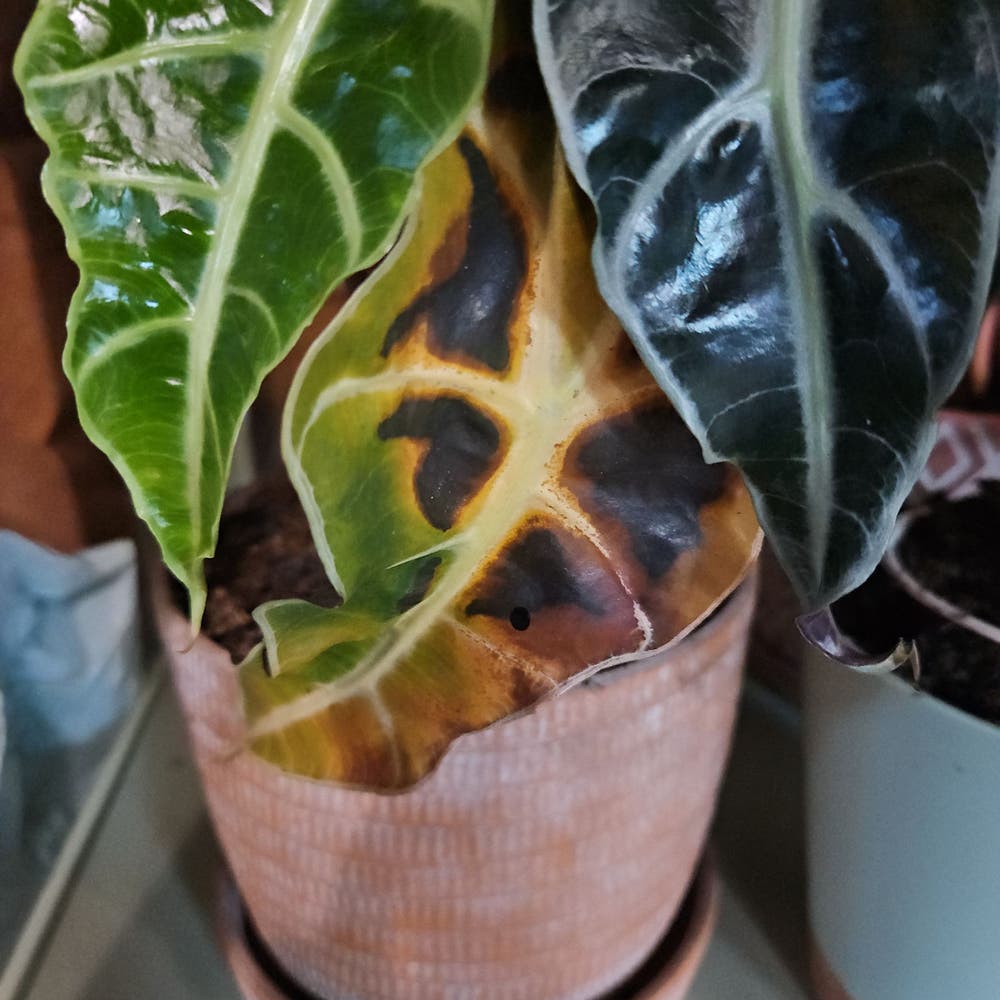
Transplant shock can be a real bummer for your Arum plants. Look out for symptoms like wilting, yellowing leaves, and stunted growth.
To combat this, ensure your plants receive consistent moisture. It's also wise to hold off on fertilizing right after transplanting to give them time to adjust.
🏗️ Establishment Problems
If your Arum shows poor growth or seems to be struggling, it might be facing establishment problems. Signs include a lack of vigor or failure to thrive.
Check the soil moisture levels first; they might be too dry or too wet. Adjust the light exposure and ensure proper spacing to help your plants settle in comfortably.
🐛 Other Common Issues and Solutions
Pests can be a nuisance, particularly slugs and snails. Keep an eye out for them and consider using organic deterrents to protect your plants.
Diseases like root rot can also pose a threat. Watch for signs and ensure proper drainage to avoid overwatering, which can lead to this issue.
By staying vigilant and addressing these common problems, you can help your Arum flourish in its new home.
⚠️ Safety First
This content is for general information and may contain errors, omissions, or outdated details. It is not medical, veterinary advice, or an endorsement of therapeutic claims.
Always consult a qualified healthcare professional before using any plant as food, medicine, or supplement.
Never eat any plant (or feed one to pets) without confirming its identity with at least two trusted sources.
If you suspect poisoning, call Poison Control (800) 222-1222, the Pet Poison Helpline (800) 213-6680, or your local emergency service immediately.
Spotted an error? Please report it here.
Plant your Arum with confidence 🌱 by using Greg's tailored care tips and reminders to create the perfect environment for thriving growth!