How Can You Tell If A Lords-and-ladies Is Dying?
Arum maculatum
By the Greg Editorial Team
Mar 22, 2024•4 min read
This article was created with the help of AI so we can cover more plants for you. May contain errors. See one? Report it here.
Save your Lords-and-ladies from plant peril 🌿 by learning the life-saving signs of distress!
- Yellow leaves and browning tips signal watering issues; adjust your routine.
- 🌡️ Stable temperatures and indirect light are crucial for Lords-and-ladies health.
- Combat pests and root rot with natural remedies and proper soil drainage.
When Water Works Against You
💧 Over and Under-Watering Woes
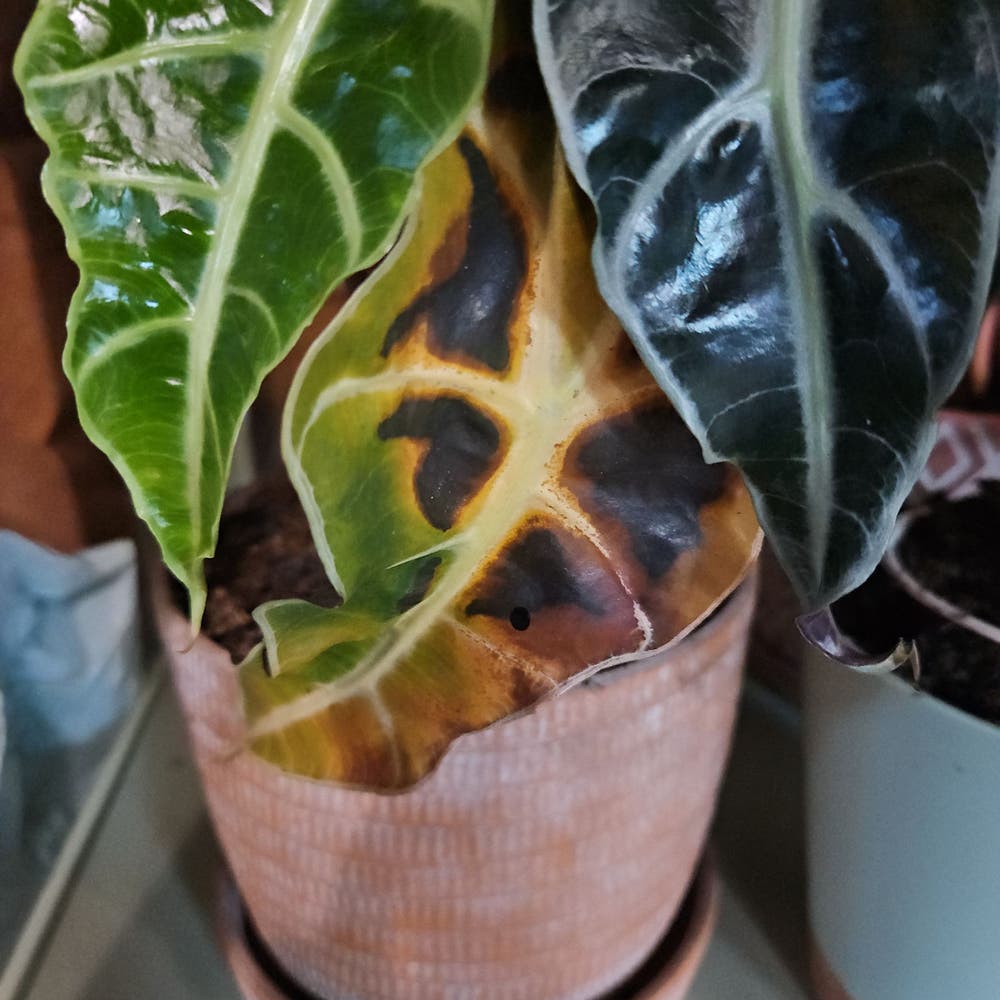
Yellowing leaves and a wilted appearance often point to over-watering, while browning tips and wilting can indicate under-watering. It's a delicate balance, akin to a plant's Goldilocks zone.
To find that sweet spot, check the soil before you water. If it's dry a couple of inches down, it's time to give your plant a drink. But if it's damp, hold off on the H2O. Overwatering can lead to root rot, while underwatering stresses the plant, leaving it looking more forlorn than a forgotten umbrella on a sunny day.
The Perils of Inconsistent Hydration
Leaf drop and a stressed-out plant can be the result of inconsistent watering. It's not just about the amount but also the regularity of your watering routine.
Crafting a consistent watering routine is more art than science. Adjust to your plant's needs, the weather, and the seasons. If your watering can is too heavy-handed, consider a well-draining soil mix to keep those roots breathing easy. Remember, consistency doesn't mean rigidity; it's about being responsive to your plant's non-verbal cues.
Light and Temperature: The Delicate Dance
🌞 Too Much Sun, Not Enough Fun
Brown, crispy patches on your Lords-and-ladies' leaves are the equivalent of a sunburn. They're the plant's way of saying, "I've had enough!" To prevent leaf scorching, relocate your plant to a spot with bright, indirect light. Direct sunlight is a no-go—think of it as the plant's kryptonite.
If you notice leaves curling up, they're not just practicing yoga—they're trying to shield themselves from too much light. It's time to intervene and provide some shade.
❄️ Chilly Drafts and Heat Waves
When leaves start curling or browning, it's your Lords-and-ladies' version of saying, "I can't deal with this temperature rollercoaster." Stable temperatures are key, so avoid placing your plant near drafty windows or radiators.
If your plant's leaves are dropping faster than your weekend plans, it's likely feeling the chill. Keep the climate around your Lords-and-ladies as consistent as possible, like your favorite coffee order.
Uninvited Guests and Unseen Killers
🐛 Pests: The Tiny Terrors
Pests can turn your Lords-and-ladies from a vibrant centerpiece to a sorry sight. Look for holes, discoloration, or sticky substances on leaves – these are distress flares signaling an invasion.
Natural remedies like neem oil or insecticidal soap can be your green arsenal against these critters. Apply with care to avoid collateral damage to your plant. For those preferring the biological route, introducing predators such as ladybugs can be an effective and eco-friendly strategy.
🍄 Mold and Fungus Among Us
Mold and fungus are like that one guest who overstays their welcome and makes a mess. White or black spots on leaves or a musty smell are your cues to take action.
To evict these unwelcome squatters, boost air circulation and cut back on moisture. If the situation calls for it, consider a targeted fungicide, but remember to choose an option that's as gentle on the environment as it is tough on the fungus.
Root of the Problem
🦠 The Dreaded Root Rot
Root rot is the silent assassin of plant health, often going unnoticed until it's too late. Here's how to spot and address it in your Lords-and-ladies.
🕵️ Recognizing Root Rot
- Mushy roots and a distinct smell of decay are your plant's distress signals.
- Leaves turning yellow and wilting, as if the plant is giving up on life.
- A foul odor from the soil that's more reminiscent of a swamp than fresh earth.
💉 Surgery and Recovery
- Unpot your plant with care and wash the roots to assess the damage.
- Snip off the mushy, dark roots with sterilized scissors—think of it as excising the rot to save the healthy.
- After the operation, repot in fresh, well-draining soil and monitor your watering habits closely.
🚰 Preventing Further Decay
- Ensure proper drainage in your pots to avoid waterlogging.
- Adjust watering to the plant's needs, not your schedule—overwatering invites rot.
- Keep an eye out for the early signs of trouble to act fast and prevent a full-blown root rot crisis.
⚠️ Safety First
This content is for general information and may contain errors, omissions, or outdated details. It is not medical, veterinary advice, or an endorsement of therapeutic claims.
Always consult a qualified healthcare professional before using any plant as food, medicine, or supplement.
Never eat any plant (or feed one to pets) without confirming its identity with at least two trusted sources.
If you suspect poisoning, call Poison Control (800) 222-1222, the Pet Poison Helpline (800) 213-6680, or your local emergency service immediately.
Spotted an error? Please report it here.
Revive your Lords-and-ladies by harnessing Greg's personalized reminders 🍃, which adapt to your plant's unique needs and help you prevent watering woes.