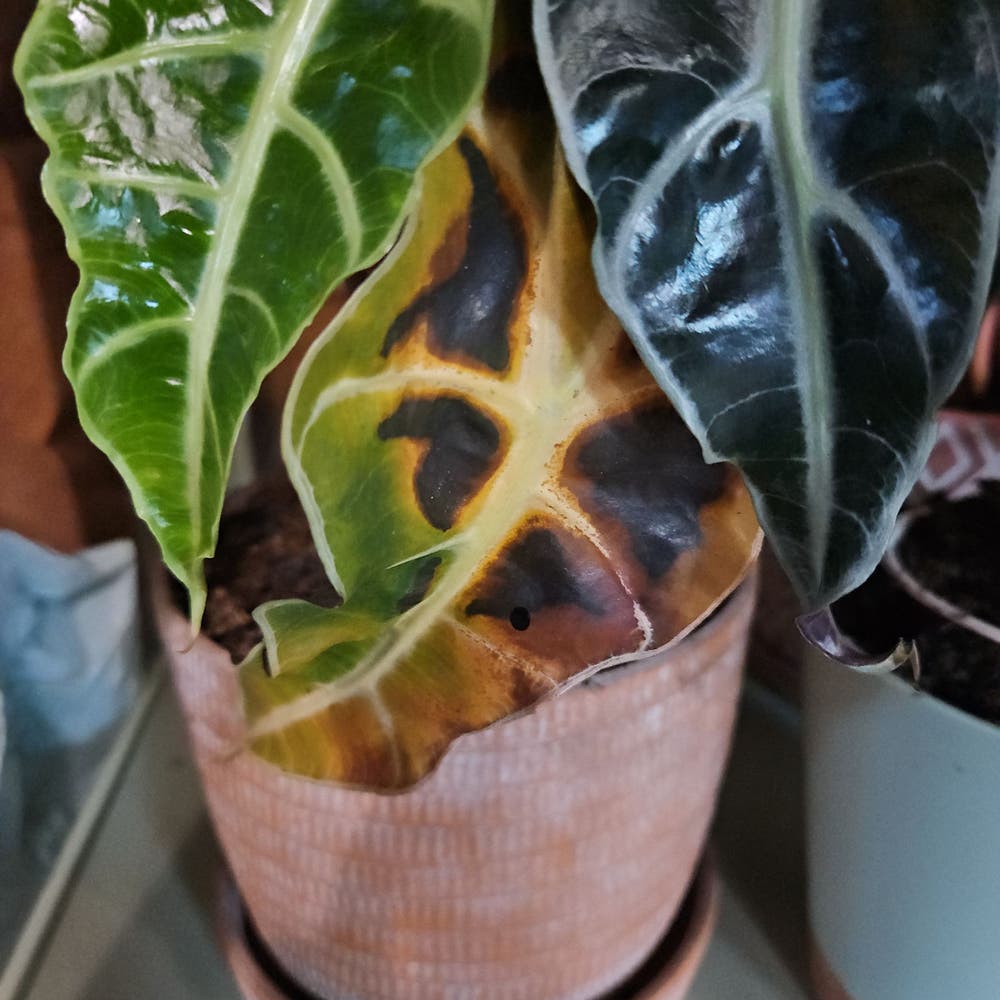
Why Are My Lords-and-ladies Leaves Mushy?
Arum maculatum
By the Greg Editorial Team
Mar 22, 2024•5 min read
This article was created with the help of AI so we can cover more plants for you. May contain errors. See one? Report it here.
Save your Lords-and-ladies from mushy doom 🍂 and unlock the secrets to robust, healthy foliage! 🌿
- Mushy leaves signal overwatering or disease; firm leaves mean health.
- Root rot? Stop watering, trim roots, repot with better drainage.
- Prevent fungi with proper air circulation, spacing, and fungicides.
Spotting the Signs of Trouble
🚨 Visual cues: Recognizing mushy leaves and associated symptoms.
Discoloration is a telltale sign; leaves that trade their vibrant green for a dreary yellow or brown are waving a flag of distress. If they're looking like overcooked veggies, you've got a visual SOS.
🕵️ Beyond the surface: What mushy leaves can indicate about plant health.
Mushy leaves often spell deeper trouble like overwatering, poor drainage, or disease. It's not just a cosmetic issue; it's a symptom of potential root rot or fungal infections, which can be fatal. Leaves that droop or have a translucent look are signaling serious trouble.
✋ Tactile Cues
Get hands-on and feel the leaves. If they have the consistency of overcooked spinach, you're dealing with more than just a bad leaf day. Remember, firm is good; mushy is a no-go.
👀 Regular Check-Ups: The Key to Early Detection
Stay vigilant. Regularly inspect your plant for signs of distress. Don't just look—feel the soil, check for pests, and scrutinize leaf health. Early detection is like catching a cold before it turns into pneumonia.
🎨 Visual and Tactile Signs
Leaves turning a sad shade of yellowish-brown are not trying a new look—they're in distress. They should be firm, not imitating overripe fruit. And if they're falling off without resistance, it's not a peaceful surrender—it's a cry for help.
Tackling Overwatering and Root Rot
💧 The Water Conundrum: Balancing Moisture for Lords-and-ladies
Overwatering is the bane of many a Lords-and-ladies plant. The key is to strike a balance—aim for soil that's moist, not a soggy mess. Use your finger as a makeshift moisture meter; if the top inch feels dry, it's time to water. If not, hold your horses.
🕵️ Unearthing the Issue: Identifying and Dealing with Root Rot
🚩 Signs of Root Rot
Root rot is the silent killer in the plant world. Healthy roots are firm and white, while rotten ones are brown, mushy, and probably stink like last week's forgotten leftovers. If your plant's base smells like a bog, it's time to take action.
🚨 Immediate Steps to Take If Root Rot Is Suspected
Caught root rot red-handed? Don't panic. First, stop watering and gently remove your plant from its pot. Shake off the excess soil and assess the damage. Snip off the rotten roots with sterilized scissors—think of it as giving your plant a life-saving surgery. Then, repot in fresh, well-draining soil and consider a pot upgrade with better drainage. Remember, your watering can is not a fire hose; water deeply but infrequently, and only when needed.
Fungal Foes: Identification and Treatment
🍄 Spotting the Spores
Fungal infections are the sneaky villains in the plant world, often going unnoticed until the damage is done. Powdery mildew dusts your Lords-and-ladies with a ghostly white, while anthracnose leaves its mark with dark, sunken spots. It's like your plant is sending out a distress signal with each discolored leaf.
🩹 From Diagnosis to Remedy
Once you've caught the fungal party on your leaves, it's time for some tough love. Prune the affected areas with sterilized shears—think of it as giving your plant a much-needed haircut. Then, it's time to bring out the big guns: fungicides. Copper-based options are the old reliable, but don't get too cozy with just one type. Rotate your fungicides to keep the fungi guessing and resistance at bay.
🎯 Choosing the Right Fungicide
When reaching for chemical help, think of it as precision surgery for your plant. Protectant fungicides need direct leaf contact, while systemic types work from the inside out. Apply with care and always in the morning to let the foliage dry out, reducing the risk of further infection.
🌬 Cultural Practices to Combat Fungi
Remember, it's not all about the chemicals. Air circulation is key—think of it as your plant's personal space. Proper spacing and keeping foliage dry are like the secret handshake that invites airflow and deters fungal growth. Because let's face it, a crowded plant party is a fungal fiesta waiting to happen.
Reviving Your Plant
🌿 First Aid for Mushy Leaves
Pruning is critical for revival. With sterilized shears, snip off the mushy leaves. Clean your tools after each cut to prevent disease spread. It's not a mere trim; it's an operation for plant health.
🌱 Encouraging Healthy New Growth
After pruning, focus on the plant's environment. Ensure bright, indirect light and good air circulation—like a patient in recovery, your plant needs a stress-free zone. Water sparingly, allowing the soil to dry between waterings. It's a delicate balance, like finding the perfect rhythm in a dance.
🌷 The Right Soil and Pot
Repot your plant in fresh, well-draining soil. Add perlite or coarse sand to keep it airy. Choose a pot with ample drainage holes; it's not just a container, it's a lifeline.
👀 Monitoring Progress
Keep a vigilant eye on new shoots; they signal recovery. If growth stalls, reassess your care strategy. Adjust care with seasonal changes—your plant doesn't have a calendar. Remember, patience is key; recovery takes time.
Proactive Protection Strategies
💧 Water Wisdom: Perfecting Your Watering Routine
Consistency is key when watering Lords-and-ladies. Wait for the top inch of soil to dry out before giving your plant a drink. Overwatering is the fast track to mushy leaves, while underwatering turns your plant into a drama queen with brown spots.
🌱 Soil and Drainage: Ensuring the Right Environment
Your plant's pot needs to be the strong silent type—sturdy with adequate drainage holes. Consider a gravel layer at the bottom to keep things flowing. The right soil mix is like a good partner—supportive but not clingy, allowing roots to breathe and preventing water from overstaying its welcome.
👀 Keeping an Eye Out: Routine Checks to Prevent Future Mushiness
Vigilance is your plant's best friend. Regularly check the soil moisture with your finger or a moisture meter—no guesswork allowed. Keep an eye out for pests; they're like that one friend who always overstays their welcome. And remember, clean tools and pots are the unsung heroes of plant care.
⚠️ Safety First
This content is for general information and may contain errors, omissions, or outdated details. It is not medical, veterinary advice, or an endorsement of therapeutic claims.
Always consult a qualified healthcare professional before using any plant as food, medicine, or supplement.
Never eat any plant (or feed one to pets) without confirming its identity with at least two trusted sources.
If you suspect poisoning, call Poison Control (800) 222-1222, the Pet Poison Helpline (800) 213-6680, or your local emergency service immediately.
Spotted an error? Please report it here.
Turn mushy leaves into a tale of triumph by using Greg to ensure your Lords-and-ladies bask in just-right moisture 🌟 and stay healthy with proactive care.