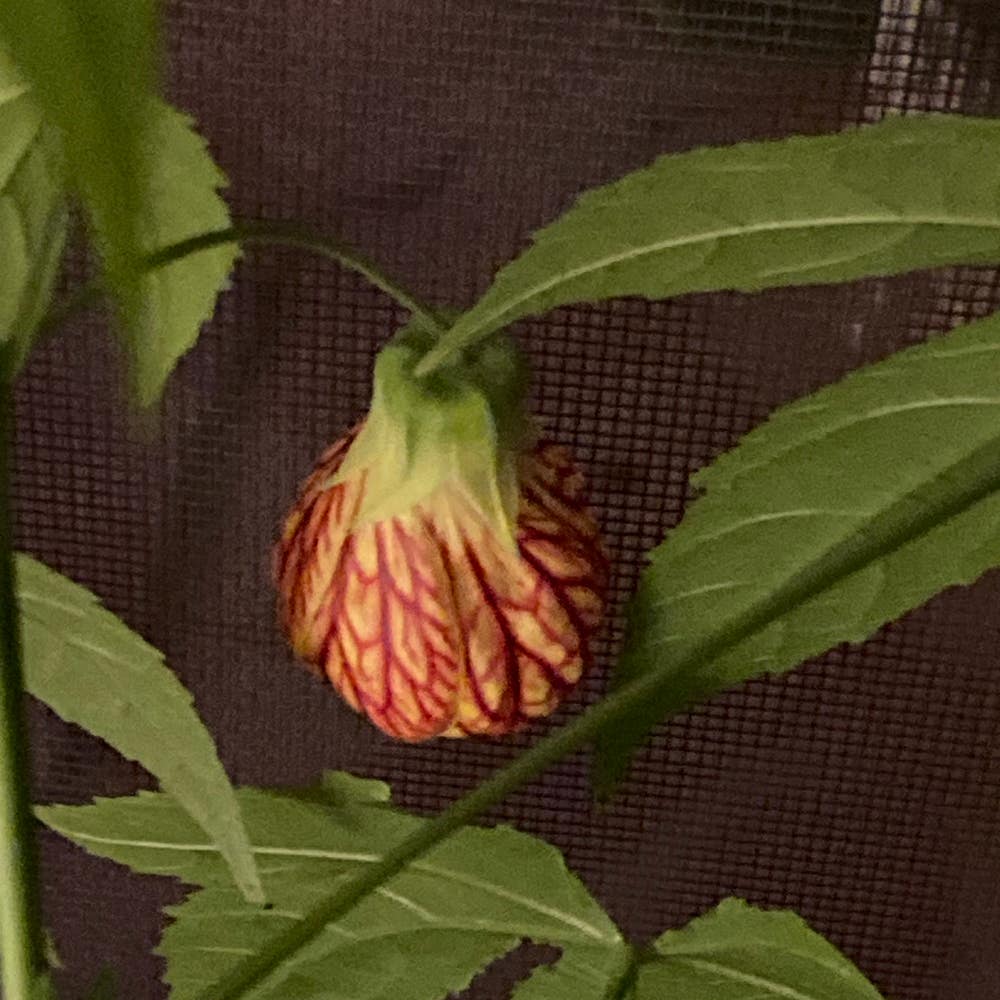
Determining What Might Be Eating Your Velvetleaf 🐛
Abutilon theophrasti
By the Greg Editorial Team
Sep 30, 2024•7 min read
This article was created with the help of AI so we can cover more plants for you. May contain errors. See one? Report it here.
Protect your stunning velvetleaf from hungry herbivores while enriching your garden's ecosystem! 🌿
- 🌼 Identify velvetleaf by its heart-shaped leaves and bright yellow flowers attracting pollinators.
- 🦌 Deer and rabbits are major threats; look for hoof prints and cut stems.
- 🌱 Use repellents and companion plants to deter herbivores and protect velvetleaf effectively.
Description and Appeal of Velvetleaf
Appearance 🌿
Velvetleaf is a striking plant, easily recognized by its large, heart-shaped leaves that boast a soft, velvety texture. In summer, it showcases bright yellow flowers that not only add beauty but also attract various pollinators.
This remarkable plant can reach impressive heights of up to 6 feet, making it a noticeable addition to any garden or landscape. Its stature and vibrant blooms create a visual appeal that is hard to ignore.
Most Appealing Parts to Animals 🐾
The allure of velvetleaf extends beyond its appearance; its young shoots are tender and packed with nutrients, making them a favorite among herbivores.
Additionally, the flowers attract both pollinators and herbivores, creating a bustling ecosystem around the plant. The seeds, rich in protein, are particularly appealing to birds and rodents, further enhancing velvetleaf's role in the food web.
In summary, velvetleaf's combination of visual charm and nutritional value makes it a magnet for various animals, both beneficial and harmful. Understanding this appeal is crucial for anyone looking to cultivate or protect this fascinating plant.
As we explore the common herbivores that might be affecting velvetleaf, it's essential to recognize the balance between its beauty and the challenges it faces in the wild.
Common Herbivores Affecting Velvetleaf
🦌 Deer
Signs of Presence and Damage
Deer are notorious for their appetite for velvetleaf. Look for browsing on leaves and young shoots, along with distinctive hoof prints and droppings nearby.
Interaction Type
Their impact is generally harmful, as they can decimate young plants and hinder overall growth.
Deterrent Methods
To keep deer at bay, consider using commercial deer repellents. Alternatively, planting strong-smelling herbs like lavender nearby can act as a natural deterrent.
🐇 Rabbits
Signs of Presence and Damage
Rabbits leave their mark by cleanly cutting stems and leaves at a 45-degree angle. You might also spot rabbit droppings in the vicinity.
Interaction Type
These furry pests are generally harmful, capable of severely damaging young plants.
Deterrent Methods
For easy solutions, try bitter-tasting sprays to deter rabbits. Fencing that stands 2-3 feet high or using predator urine can also be effective.
🐿️ Squirrels
Signs of Presence and Damage
Squirrels are sneaky little creatures that leave gnaw marks on stems and leaves. You may also find nesting materials nearby.
Interaction Type
Their interaction is generally harmful, as they can damage both flowers and seeds.
Deterrent Methods
Capsaicin-based sprays can deter squirrels effectively. Additionally, scare tactics like reflective tape or noise makers can help keep them away.
🐦 Birds
Signs of Presence and Damage
Birds can be both friends and foes. Look for peck marks on flowers and seeds, along with signs of nesting activity nearby.
Interaction Type
Their role can be dual; they act as pollinators while also being seed predators.
Deterrent Methods
Typically, no chemical deterrents are used for birds. Instead, netting can protect flowers and seeds from their pecking.
🐭 Rodents (Mice, Voles, etc.)
Signs of Presence and Damage
Rodents create tunnels or burrows near the plant and chew on stems and roots. Their presence can be quite damaging.
Interaction Type
Their interaction is generally harmful, as they can undermine the plant's stability.
Deterrent Methods
While rodenticides can be effective, use them with caution. Organic options like traps and natural repellents, such as peppermint oil, are safer alternatives.
🦡 Groundhogs/Woodchucks
Signs of Presence and Damage
Groundhogs dig large holes near the base of the plant and graze on lower leaves and stems. Their activity can be quite noticeable.
Interaction Type
Their impact is generally harmful, often causing significant damage to the plant.
Deterrent Methods
Commercial repellents can deter groundhogs, but organic methods like fencing that stands 3-4 feet high or planting deterrent plants like garlic can be just as effective.
Understanding these common herbivores and their impact on velvetleaf is crucial for maintaining a healthy garden. By employing the right deterrent methods, you can protect your plants and enjoy their beauty for years to come.
Next, we’ll explore the beneficial animals attracted to velvetleaf and their positive contributions to the ecosystem.
Beneficial Animals Attracted to Velvetleaf
Description and Impact 🐝
Velvetleaf isn't just a feast for herbivores; it also attracts a host of beneficial animals. Bees and butterflies flock to its bright yellow flowers, playing a crucial role in pollination.
Birds, on the other hand, enjoy the seeds. As they consume them, they help spread the plant, contributing to its growth in new areas.
Positive Ecosystem Contributions 🌍
The presence of these pollinators leads to enhanced seed set, which means more plants can thrive. This not only boosts the local ecosystem but also increases biodiversity.
Moreover, the activity of these beneficial animals can naturally control pests, creating a balanced environment. By fostering a habitat that attracts these creatures, you're not just protecting your velvetleaf; you're enriching the entire ecosystem.
In the next section, we’ll explore general strategies for protecting your velvetleaf from potential threats while maintaining this beneficial balance.
General Strategies for Protecting Velvetleaf
🛡️ Preventive Measures
To keep your velvetleaf thriving, regular monitoring is essential. Look for signs of animal activity, such as droppings or gnaw marks, to catch any issues early.
Planting companion plants can also be a game-changer. Consider herbs like mint or lavender, which naturally deter herbivores while adding beauty to your garden.
⚠️ Reactive Solutions
If you notice damage, act quickly by removing affected parts. This promotes recovery and helps prevent further harm to the plant.
Barriers and traps can be effective as well. Use fencing or traps to keep persistent herbivores at bay and protect your velvetleaf.
🌱 Maintaining a Balanced Ecosystem
Encouraging beneficial insects and animals is crucial for a healthy garden. Pollinators like bees and butterflies not only enhance your plants but also contribute to a vibrant ecosystem.
Be mindful of your reliance on chemical deterrents. Strive for a balanced approach that prioritizes natural solutions, fostering a thriving environment for both your plants and the wildlife around them.
By implementing these strategies, you can create a protective haven for your velvetleaf, ensuring it flourishes amidst the challenges posed by herbivores. Next, let’s explore the seasonal considerations that affect your velvetleaf's vulnerability.
Seasonal Considerations
🐾 Variations in Animal Attraction
As the seasons change, so does the behavior of herbivores. In spring and early summer, you’ll notice a spike in herbivore activity, as many animals are on the lookout for tender young plants to munch on.
The timing of flowering and seed production is crucial. During these periods, your velvetleaf becomes a prime target for hungry critters eager for a nutritious meal.
🛡️ Plant Vulnerability
Young shoots are particularly vulnerable in early spring. This is when they’re most tender and appealing, making them easy pickings for various herbivores.
Later in the season, seed pods face their own risks. During late summer and fall, these pods can attract a host of animals, all vying for a high-protein snack.
Understanding these seasonal dynamics can help you better protect your velvetleaf. By being proactive, you can ensure your plants thrive throughout the year.
Toxic Effects of Velvetleaf
Potential Toxicity 🌿
Velvetleaf can pose a risk to livestock and pets if consumed in large quantities. While it may not be the first plant that comes to mind when thinking of toxicity, its leaves and seeds can lead to gastrointestinal distress in certain animals.
Symptoms of Toxicity 🤢
If ingested, animals might exhibit symptoms like vomiting or diarrhea. This potential toxicity can serve as a natural deterrent for some herbivores, keeping them at bay and allowing your velvetleaf to thrive.
Role of Toxicity in Deterrence 🦙
Interestingly, the toxic properties of velvetleaf can help protect it from being overgrazed. Many animals instinctively avoid plants that could harm them, making velvetleaf less appealing to some herbivores.
Understanding these toxic effects can help you manage your garden more effectively. By knowing what might deter certain animals, you can create a healthier environment for your velvetleaf to flourish.
Next, let’s explore some general strategies for protecting your velvetleaf from herbivores while promoting a balanced ecosystem.
⚠️ Safety First
This content is for general information and may contain errors, omissions, or outdated details. It is not medical, veterinary advice, or an endorsement of therapeutic claims.
Always consult a qualified healthcare professional before using any plant as food, medicine, or supplement.
Never eat any plant (or feed one to pets) without confirming its identity with at least two trusted sources.
If you suspect poisoning, call Poison Control (800) 222-1222, the Pet Poison Helpline (800) 213-6680, or your local emergency service immediately.
Spotted an error? Please report it here.
Keep your velvetleaf thriving 🌼 by using Greg's personalized tips and reminders to fend off pesky herbivores and protect your garden!