🧑🌾 How to Manage Velvetleaf Weeds
Abutilon theophrasti
By the Greg Editorial Team
Sep 30, 2024•6 min read
This article was created with the help of AI so we can cover more plants for you. May contain errors. See one? Report it here.
Protect your garden and local ecosystems by mastering velvetleaf identification and control! 🌱
- 🌱 Identify velvetleaf by its large, heart-shaped leaves and yellow flowers.
- ⚠️ One plant can produce thousands of seeds, leading to rapid spread.
- 🛠️ Manual removal and herbicides are effective for managing velvetleaf infestations.
Identification
Key Features 🌿
Identifying velvetleaf weeds is straightforward if you know what to look for. They boast large, heart-shaped leaves that have a distinctive velvety texture, making them stand out in any garden.
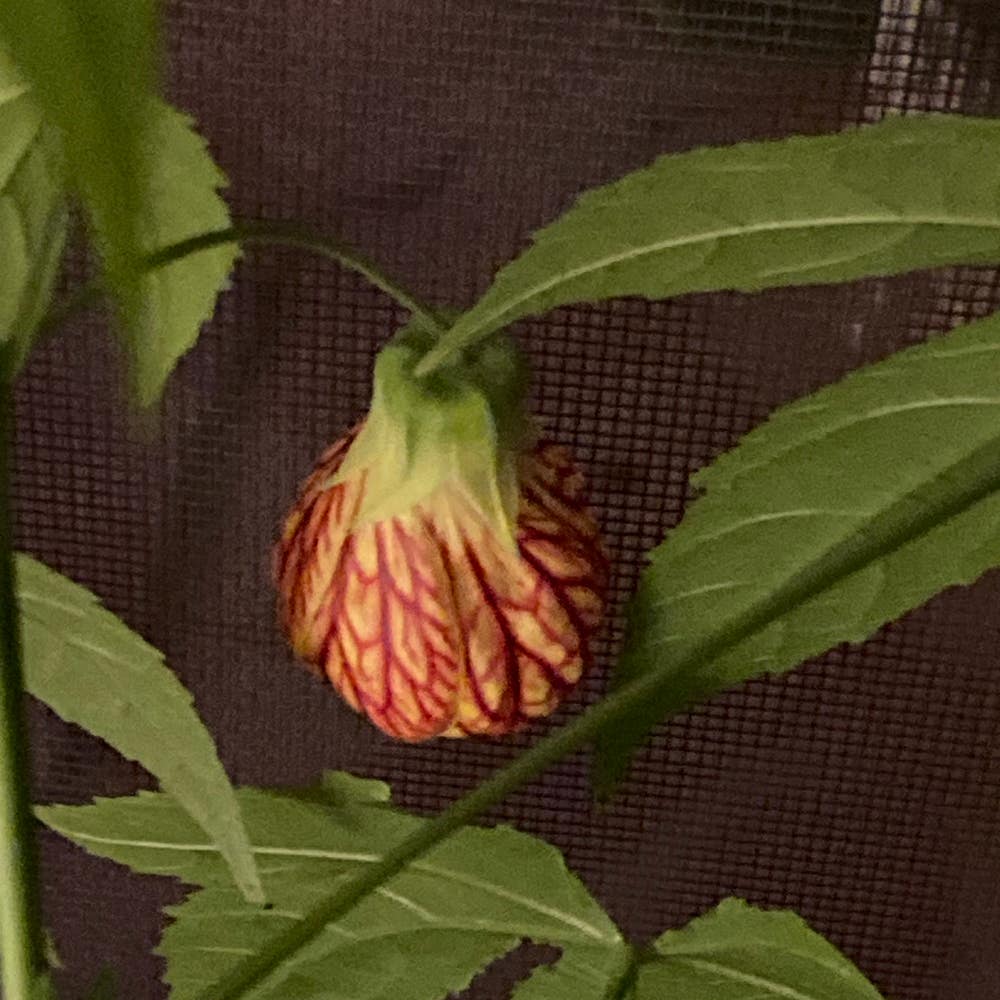
In summer, these plants produce striking yellow flowers with a dark center. This vibrant bloom is a telltale sign of velvetleaf, drawing attention and often overshadowing other plants nearby.
Comparison with Look-Alike Plants 👀
While velvetleaf is unique, it can be confused with similar species like common mallow. To distinguish them, note that common mallow has rounder leaves and a different flower structure.
Understanding these differences is crucial for effective management. Recognizing velvetleaf early can save you time and effort in controlling its spread.
Growth Habits and Spread
🌱 Typical Growth Patterns
Velvetleaf weeds can tower up to 8 feet tall, showcasing a bushy and robust appearance. They follow a seasonal growth cycle, germinating in spring, blooming with vibrant yellow flowers in summer, and producing seeds by fall.
🌼 Reproductive Strategies
One of the most alarming traits of velvetleaf is its reproductive capacity; a single plant can generate thousands of seeds. These seeds are dispersed through various methods, including wind, water, and animal movement, making their spread remarkably efficient.
☀️ Environmental Conditions Favoring Spread
Velvetleaf thrives in disturbed soils and prefers full sun, which makes it a common sight in agricultural fields and roadside areas. Additionally, its tolerance for drought and poor soil conditions allows it to outcompete many native plants, further enhancing its invasive potential.
Understanding these growth habits and reproductive strategies is crucial for effective management. By recognizing how velvetleaf spreads and flourishes, you can take proactive steps to control its impact on your environment.
Ecological Impact
Effects on Native Communities 🌱
Velvetleaf weeds are notorious for displacing native species, which can lead to a significant reduction in biodiversity. As they take over, they alter the habitat structure and function, making it harder for native plants to thrive.
Impact on Wildlife and Resources 🦉
The presence of velvetleaf can drastically reduce food sources for native fauna. This shift not only affects wildlife but also changes habitat availability for various species, disrupting the delicate balance of local ecosystems.
Soil degradation is another critical concern, as velvetleaf competes for nutrients, leaving less available for other plants. This competition can lead to long-term impacts on soil health and overall ecosystem vitality.
Understanding these ecological impacts is crucial for effective management strategies. By recognizing how velvetleaf affects both plant and animal communities, we can develop more targeted approaches to control its spread and protect native biodiversity.
Next, we will explore the economic impact of velvetleaf weeds, focusing on the financial burdens they impose on agriculture and land management.
Economic Impact
💸 Economic Losses
Velvetleaf weeds can significantly inflate land management costs. Farmers often face increased expenses for control efforts, which can strain budgets and resources.
Additionally, these invasive plants can lead to substantial crop yield losses. As velvetleaf competes for nutrients and space, crops like corn and soybeans suffer, impacting overall agricultural productivity.
🚜 Agricultural Challenges
Specific crops are particularly vulnerable to velvetleaf infestation. Corn and soybeans, staples in many farming operations, often experience reduced yields due to this aggressive weed.
Farmers must remain vigilant, as the presence of velvetleaf can disrupt not just individual fields but entire farming systems. The economic ripple effects can be felt across local economies reliant on agriculture.
Understanding these challenges is crucial for effective management strategies. By addressing the economic implications, farmers can better prepare for and mitigate the impact of velvetleaf on their operations.
Control and Management
👐 Manual Removal Techniques
Hand-pulling is an effective method for managing velvetleaf weeds, especially when done before they set seed. For larger infestations, tools like hoes or shovels can help uproot these persistent plants more efficiently.
💊 Chemical Control Options
Herbicides can be a viable option for controlling velvetleaf. It's essential to choose the right type and follow proper application methods to minimize environmental impact.
🦠 Biological Control Methods
Research into biological control methods is ongoing, focusing on potential natural predators or pathogens that could help manage velvetleaf populations. Understanding the success rates of these methods can guide future control strategies.
🚫 Preventive Measures
Implementing crop rotation and cover cropping strategies can significantly reduce the chances of velvetleaf establishing itself. Maintaining healthy ecosystems is crucial for preventing weed invasions.
🔍 Early Detection and Response
Monitoring techniques are vital for the early identification of velvetleaf. Quick response strategies can prevent its establishment and mitigate its impact on local ecosystems.
By employing a combination of these control methods, land managers can effectively combat velvetleaf and protect their landscapes. Next, we will explore the legal status surrounding this invasive species and the responsibilities of land managers in its control.
Legal Status
📜 Laws and Regulations
Managing velvetleaf weeds isn't just a personal concern; it's also a legal one. Both federal and state regulations exist to combat invasive species like velvetleaf, aiming to protect native ecosystems.
These laws often restrict the sale and transport of such plants. Understanding these regulations can help you avoid legal pitfalls while managing your land effectively.
📋 Requirements for Control
Local ordinances play a crucial role in guiding land managers on how to handle invasive species. These guidelines often outline specific responsibilities, ensuring that everyone contributes to controlling the spread of velvetleaf.
Being aware of your local regulations can empower you to take action. It’s not just about compliance; it’s about fostering a healthier environment for all.
Potential Benefits
Historical Uses 🌿
Velvetleaf has a surprising history of traditional medicinal applications. Various cultures have utilized its leaves and seeds for their purported health benefits, including treating ailments like inflammation and digestive issues.
Current Research 🔍
Recent investigations into velvetleaf focus on its potential beneficial properties. However, it's crucial to note that these benefits are often overshadowed by the plant's negative impacts on ecosystems and agriculture.
Despite some intriguing findings, the consensus remains that velvetleaf's drawbacks far exceed any advantages. As research continues, it's essential to weigh these limited benefits against the broader ecological and economic challenges posed by this invasive species.
In the next section, we will explore the legal status of velvetleaf and the regulations surrounding its management.
⚠️ Safety First
This content is for general information and may contain errors, omissions, or outdated details. It is not medical, veterinary advice, or an endorsement of therapeutic claims.
Always consult a qualified healthcare professional before using any plant as food, medicine, or supplement.
Never eat any plant (or feed one to pets) without confirming its identity with at least two trusted sources.
If you suspect poisoning, call Poison Control (800) 222-1222, the Pet Poison Helpline (800) 213-6680, or your local emergency service immediately.
Spotted an error? Please report it here.
Take charge of your garden's health by managing velvetleaf weeds effectively, and let Greg provide you with custom reminders and community insights to keep your plants thriving! 🌿