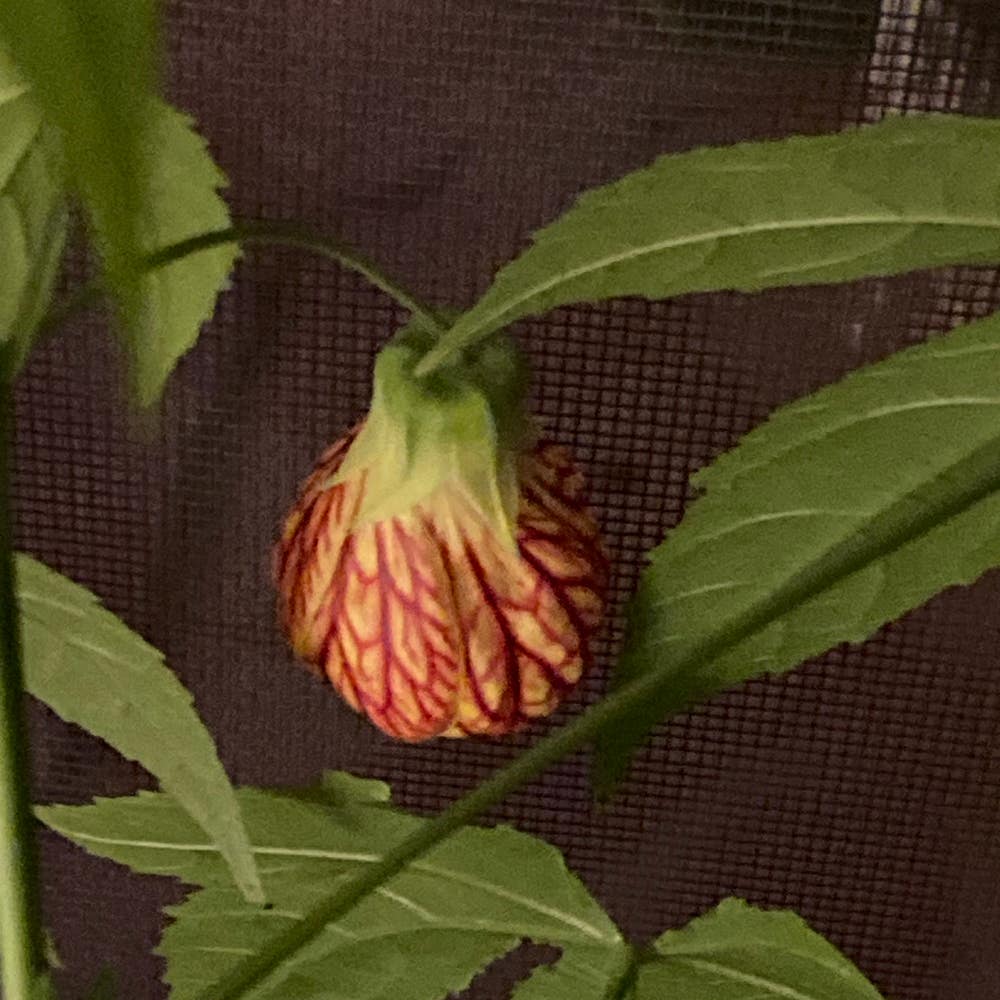
Why Are My Velvetleaf Leaves Droopy? 💧
Abutilon theophrasti
By the Greg Editorial Team
Jun 18, 2024•5 min read
This article was created with the help of AI so we can cover more plants for you. May contain errors. See one? Report it here.
Prevent Velvetleaf despair 🍂 with the right watering touch and care tips to keep leaves perky!
- Droopy leaves signal distress; overwatering and underwatering are common causes.
- 🌱 Balance moisture with care: use a long-spout watering can on dry topsoil.
- Bright, indirect light and good air flow keep Velvetleaf perky and healthy.
Spotting the Signs: When Your Velvetleaf Looks Sad
🍃 Recognizing Droopy Leaves
Velvetleaf's droopiness can be misleading; it's not just a bad plant day. Look for leaves that hang like laundry on a line, signaling a cry for help. Quick tips: if your Velvetleaf's leaves are more limp than a forgotten salad, it's time to take action.
🩺 Initial Assessment
Perform a health check with the urgency of an ER nurse. Check for other symptoms like yellowing leaves or stunted growth that often crash the droopiness party. Root check: don't forget to peek below the soil for soggy or bone-dry conditions.
The Usual Suspects: Pinpointing the Culprits
💦 Too Much Love: Overwatering Woes
Overwatering is the helicopter parent of plant care—well-intentioned but smothering. Your Velvetleaf might be drowning in your affection if the soil feels like a wet sponge. Root rot is the grim reaper, waiting in the wings when the soil is more swamp than sanctuary.
To avoid a soggy disaster, check for clogged drainage holes—they should be as clear as your conscience after confessing to overwatering. If the soil is consistently wetter than a duck in a pond, it's intervention time. Remember, balanced watering is like a good diet—too much cake (water) and your plant's health deflates.
🏜️ Thirsty Roots: The Underwatering Problem
Conversely, underwatering turns your Velvetleaf into a desert wanderer, silently gasping for moisture. If the soil's drier than a stand-up comic's humor, it's time to quench that thirst. Leaves may become as crisp as autumn foliage, signaling a SOS for hydration.
Finding the Goldilocks zone—not too wet, not too dry—is key. Water when the top inch of soil feels like a day-old baguette, and you'll strike the right balance. Remember, your Velvetleaf's roots crave a drink, not a flood.
The Rescue Plan: Bringing Your Velvetleaf Back to Life
💧 Fine-Tuning Your Watering Technique
Watering your Velvetleaf is a balancing act. Too much, and you risk root rot; too little, and your plant becomes a wilted mess. Aim for consistent moisture—water when the top inch of soil feels dry. Use a watering can with a long spout to target the soil, not the leaves, and always water in the morning to reduce evaporation.
🛠 Tools and Tricks
Keep soil moisture just right with tools like a soil moisture meter or the good old finger test. If you're tech-savvy, automated drip irrigation systems can take the guesswork out of the equation. Remember, gradual changes are better than sudden swings; don't turn your watering routine into a rollercoaster ride for your plant.
🌿 Creating the Perfect Velvetleaf Haven
Adjusting your plant's environment can work wonders. Bright, indirect light is your Velvetleaf's best friend, so find a spot that's just right. Avoid direct sunlight, which can scorch the leaves, and dark corners where your plant will stretch and sulk.
🌡 Temperature and Humidity
Keep the temperature between 65-80°F (18-27°C); anything more or less, and you're asking for trouble. Humidity is another key player—aim for 60-80%. If your air is drier than a stand-up comedian's wit, consider a humidifier or a pebble tray. And don't forget about air flow; a gentle breeze can help prevent pests and diseases, but avoid placing your plant in the path of harsh drafts.
💡 Light and Air Flow
Ensure your Velvetleaf is not too hot, not too cold, but just right. Rotate your plant regularly to ensure even growth and prevent it from leaning into the light like a sunbather chasing the last rays of summer. Good air circulation is crucial too; it's like giving your plant room to breathe, reducing the risk of fungal issues and giving leaves the strength to stand tall.
Keeping It Perky: Long-Term Strategies for Upright Leaves
🌱 The Right Foundation: Soil and Pot Essentials
Choosing the right soil mix is like picking a mattress for your roots; it needs to be comfortable yet supportive. Go for a blend that's the botanical equivalent of a memory foam topper—well-draining with a dash of perlite or sand. It's not just about avoiding waterlogged roots; it's about giving them a breathable space to stretch out.
When it comes to pots, think of them as your plant's personal real estate. Size matters, but so does material. A terra cotta pot is the condo upgrade from your standard plastic studio apartment—it allows the soil to exhale moisture like it's in yoga class. And never forget: drainage holes are non-negotiable. They're the emergency exits for excess water.
🌿 Vigilance and Care: Routine Checks and Balances
Establishing a regular care routine is like setting up a coffee date with your plant; it's about consistency and showing up. Keep a close eye on your Velvetleaf's body language—droopy leaves are its way of saying, "We need to talk."
Seasonal adjustments are the plot twists in your plant care narrative. As the seasons change, so should your care strategy. It's not being fickle; it's about adapting to the plot. Rotate your plant to ensure even growth and prevent it from leaning into its favorite light source like a sunbather chasing the perfect tan.
Remember, the goal is to prevent future droops, not just fix them. It's about being proactive, not just reactive—like a plant's personal bodyguard, always one step ahead of potential threats.
⚠️ Safety First
This content is for general information and may contain errors, omissions, or outdated details. It is not medical, veterinary advice, or an endorsement of therapeutic claims.
Always consult a qualified healthcare professional before using any plant as food, medicine, or supplement.
Never eat any plant (or feed one to pets) without confirming its identity with at least two trusted sources.
If you suspect poisoning, call Poison Control (800) 222-1222, the Pet Poison Helpline (800) 213-6680, or your local emergency service immediately.
Spotted an error? Please report it here.
Prevent droopy leaves and keep your Velvetleaf perky 🌿 with Greg's custom watering plan that adapts to your home's unique environment for optimal plant health.