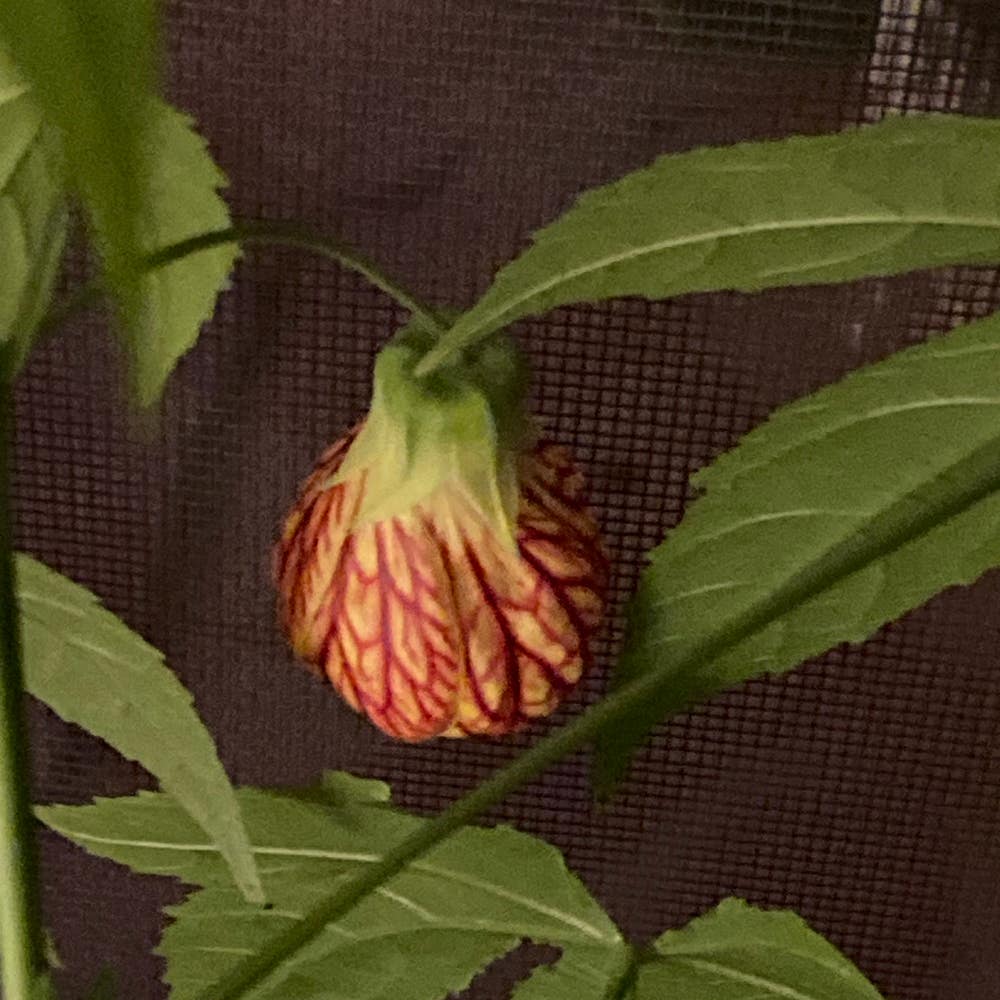
📏 Understanding Velvetleaf Height
Abutilon theophrasti
By the Greg Editorial Team
Sep 30, 2024•5 min read
This article was created with the help of AI so we can cover more plants for you. May contain errors. See one? Report it here.
Transform your garden with vibrant velvetleaf 🌱 by mastering size control and optimal growth techniques!
- 🌱 Velvetleaf grows 3 to 8 feet tall, influenced by soil, light, and water.
- ☀️ Full sun (6-8 hours) is essential for maximum height and health.
- ✂️ Regular pruning encourages bushier growth and manages size effectively.
Mature Height and Spread
Typical Mature Dimensions 🌱
Velvetleaf typically reaches a height range of 3 to 8 feet. Its spread can vary from 2 to 4 feet, largely depending on the growing conditions.
Growth Habits 🌿
This plant exhibits an upright and bushy growth pattern. Its broad leaves contribute significantly to its overall volume, making it a striking addition to any garden.
Size Variability 📏
Several factors influence the size of velvetleaf, including soil quality, light exposure, and water availability. For instance, plants in nutrient-rich soils and full sunlight often grow taller and fuller than those in less favorable conditions.
In shaded or poor soil environments, you might notice a marked difference in size. Understanding these variables can help you optimize your growing conditions for the best results.
As you consider planting velvetleaf, keep these factors in mind to ensure you achieve the desired height and spread. This knowledge will set the stage for the next section on growth rate, where we’ll explore how quickly this plant can reach its full potential.
Growth Rate
Typical Growth Rate 🌱
Velvetleaf is known for its rapid growth under optimal conditions. During the peak growing season, you can expect an impressive height increase of 1 to 2 feet per month.
Time to Reach Full Size ⏳
Typically, velvetleaf reaches its full size within one growing season, which spans about 3 to 6 months. However, several factors can delay this growth, including poor soil quality, inadequate light, and insufficient water supply.
Understanding these growth dynamics can help you cultivate a thriving velvetleaf plant. By ensuring optimal conditions, you can enjoy the lush greenery and height that this plant offers.
Next, we’ll explore the various factors that affect the size of velvetleaf, including soil quality, light exposure, and watering practices.
Factors Affecting Size
🌱 Soil Quality and Its Impact on Growth
Soil quality plays a crucial role in the growth of velvetleaf. Nutrient-rich soils can significantly promote taller growth, while poor soil conditions often stunt development and reduce overall height.
☀️ Light Exposure and Its Effect on Height
Light exposure is another key factor. Velvetleaf thrives in full sun, requiring 6 to 8 hours of sunlight daily to reach its maximum height. In contrast, partial shade can lead to reduced growth and smaller dimensions.
💧 Watering Practices and Size Implications
Consistent moisture is essential for healthy growth. However, both overwatering and drought conditions can hinder development, leading to stunted growth and diminished size.
🌡️ Climate Considerations for Size Variability
Climate also influences size variability. Warm, humid climates tend to favor larger growth, while cooler climates may limit both height and spread, affecting the plant's overall appearance and health.
Understanding these factors can help you create the ideal environment for velvetleaf, ensuring it reaches its full potential. Next, we’ll explore the fascinating world of dwarf and giant varieties, showcasing the diversity within this plant species.
Dwarf and Giant Varieties
Dwarf Varieties 🌱
Dwarf velvetleaf varieties typically reach heights of 1 to 3 feet. These compact plants are perfect for smaller gardens or container planting, allowing you to enjoy their beauty without overwhelming your space.
Giant Varieties 🌳
On the other end of the spectrum, giant velvetleaf varieties can exceed 8 feet in height. These towering plants create dramatic focal points in landscapes, making them a striking choice for those looking to make a bold statement.
Cultivation of Varieties 🌼
When selecting the right variety, consider your available space and aesthetic needs. Dwarf varieties are great for tight areas, while giant varieties can serve as impressive backdrops or centerpieces in larger gardens.
Choosing the right type of velvetleaf can enhance your garden's visual appeal while ensuring it fits harmoniously within your landscape. With the right selection, you can create a vibrant and engaging outdoor space that reflects your personal style.
As you explore the options, keep in mind how each variety's size can impact your overall garden design. This understanding will set the stage for the next topic: controlling the size of your velvetleaf plants for optimal growth and health.
Controlling Size
✂️ Pruning Techniques for Size Management
Pruning is essential for maintaining the desired height of your velvetleaf. Aim to trim back about one-third of the plant during the growing season to encourage bushier growth.
Using sharp pruning shears is crucial for clean cuts. This minimizes damage and helps the plant heal faster.
📏 Other Methods to Control Growth
In addition to pruning, consider using growth regulators if applicable. These can help manage height without the need for frequent trimming.
Planting velvetleaf in confined spaces can also limit its spread. This is particularly useful in smaller gardens where space is at a premium.
⏰ Timing for Effective Pruning
The best time to prune is late winter or early spring, just before new growth begins. This timing allows the plant to bounce back quickly and thrive.
Aim to prune every growing season to keep your velvetleaf at the desired size. Regular maintenance ensures a healthy and manageable plant.
🌱 Impact of Size Control on Plant Health
Controlling the size of your velvetleaf has several benefits. It improves air circulation around the plant, reducing the risk of disease.
However, be cautious with over-pruning. Excessive trimming can stress the plant and diminish its vigor, leading to weaker growth.
Understanding these techniques will empower you to cultivate a healthy, vibrant velvetleaf that fits perfectly in your garden. Next, let’s explore the fascinating world of dwarf and giant varieties!
⚠️ Safety First
This content is for general information and may contain errors, omissions, or outdated details. It is not medical, veterinary advice, or an endorsement of therapeutic claims.
Always consult a qualified healthcare professional before using any plant as food, medicine, or supplement.
Never eat any plant (or feed one to pets) without confirming its identity with at least two trusted sources.
If you suspect poisoning, call Poison Control (800) 222-1222, the Pet Poison Helpline (800) 213-6680, or your local emergency service immediately.
Spotted an error? Please report it here.
Unlock your velvetleaf's full height potential 🌿 with Greg's tailored care reminders for optimal sunlight, moisture, and nutrients!