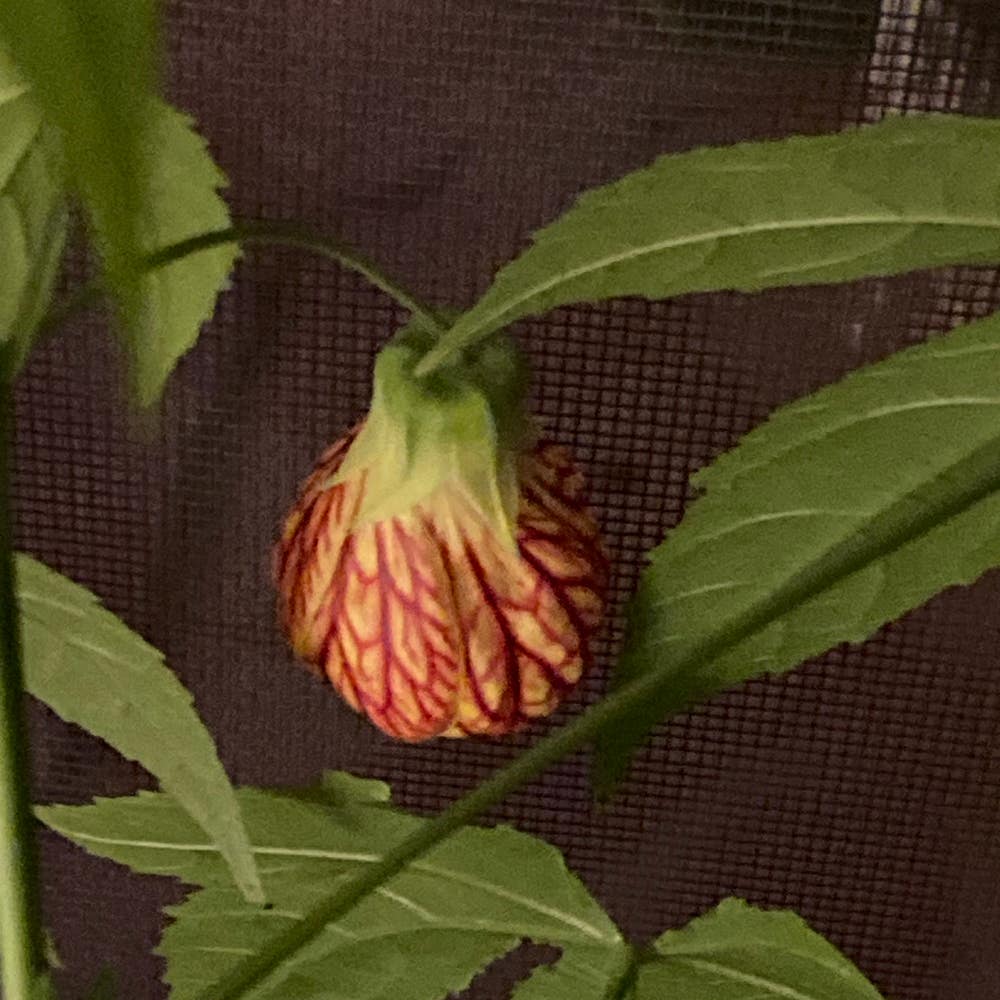
How Much Humidity Does My Velvetleaf Need?
Abutilon theophrasti
By the Greg Editorial Team
Jun 18, 2024•4 min read
This article was created with the help of AI so we can cover more plants for you. May contain errors. See one? Report it here.
Discover how to keep your Velvetleaf lush 🌿 with the ideal humidity hacks!
- 50-60% humidity ideal for Velvetleaf's lush growth.
- 🌡️ Use a hygrometer to monitor and adjust humidity levels.
- Seasonal care adjustments ensure Velvetleaf thrives year-round.
Velvetleaf's Humidity Sweet Spot
🌧️ What Velvetleaf Wants
Velvetleaf craves high humidity. Think of it as wanting its own personal rainforest. The ideal range hovers around 50-60%. When it's thriving, you'll notice its leaves are supple and robust. If it's parched, the leaves might turn crispy or yellow—clear SOS signals.
🌡️ The Lowdown on Relative Humidity
Relative humidity is the diva of plant care, changing with the temperature and affecting your Velvetleaf's mood. It's not just about water in the air; it's about the air's capacity to hold water. To keep it simple, use a hygrometer—your go-to gadget for measuring humidity at home. Keep an eye on it; your Velvetleaf's lush life depends on it.

Keeping Tabs on Your Local Humidity
🌡️ Indoor vs. Outdoor Humidity
Indoor humidity can be a controlled climate, while outdoor humidity is at the mercy of Mother Nature. For your Velvetleaf, this means creating a stable indoor environment that shields it from the outdoor humidity rollercoaster.
🛠️ Tools of the Trade
Hygrometers are the unsung heroes in the quest for perfect plant humidity. These gadgets give you the hard numbers, so you can tweak your Velvetleaf's environment like a pro. Place one in your plant's vicinity, but away from direct sunlight or drafts to avoid skewed readings. Keep an eye on it; like a good spy, it'll reveal the secrets of your air's moisture content.
Remember, different rooms can have their own microclimates. Compare readings to find the best spot for your Velvetleaf to thrive. It's not just about keeping the plant alive; it's about letting it live its best life.

Balancing the Humidity for Your Velvetleaf
💧 When the Air's Too Dry
Velvetleaf craves moisture like a sponge in the Sahara. When your indoor air mimics a desert, it's time to step up.
- Humidifiers: These gadgets are your plant's personal rain clouds. Keep one nearby to prevent your Velvetleaf from thirsting.
- Pebble trays: A low-tech classic. Fill a tray with water, pop in some pebbles, and set your plant on top. Evaporation is your friend here.
- Grouping plants: Create a mini ecosystem. Your green gang will thank you by releasing moisture into the air, like a botanical potluck.
🌧️ When It's a Humidity Jungle
Sometimes, it's less Amazon rainforest, more your bathroom after a hot shower. If your Velvetleaf is swimming in moisture, it's time to dial it back.
- Dehumidifiers: These are the antidote to excess humidity. They'll wring out the wetness, keeping your Velvetleaf from going swampy.
- Air circulation: Crack a window or bring in a fan. A gentle breeze can work wonders for cutting through the mugginess.

Tailoring Your Home for Velvetleaf's Comfort
🌬️ Seasonal Shifts
Velvetleaf's humidity preferences don't hibernate with the seasons. As the calendar flips, indoor air changes—dryer in winter, more humid in summer. Adjust your care accordingly. In winter, your heating system might be sapping the moisture from the air, leaving your Velvetleaf parched. Consider a humidifier to counteract this effect. Conversely, summer might bring a humidity spike; be ready to dial it back with a dehumidifier if the air gets too muggy.
🏡 Location, Location, Location
Finding the perfect spot for your Velvetleaf is like choosing the best seat at a concert—location is everything. Avoid drafty windows or spots near air conditioners and heaters; these areas are prone to dramatic humidity swings. Instead, aim for a stable environment where your Velvetleaf can bask in consistent humidity levels. Remember, direct sunlight can be too intense, so opt for bright, indirect light. And don't forget to rotate your plant regularly for even growth and humidity exposure. Keep an eye out for signs of discomfort—droopy leaves might mean it's time for a change of scenery.
⚠️ Safety First
This content is for general information and may contain errors, omissions, or outdated details. It is not medical, veterinary advice, or an endorsement of therapeutic claims.
Always consult a qualified healthcare professional before using any plant as food, medicine, or supplement.
Never eat any plant (or feed one to pets) without confirming its identity with at least two trusted sources.
If you suspect poisoning, call Poison Control (800) 222-1222, the Pet Poison Helpline (800) 213-6680, or your local emergency service immediately.
Spotted an error? Please report it here.
Keep your Velvetleaf thriving 🌿 by leveraging Greg's reminders to check and manage humidity levels, ensuring your green haven is always at its best.