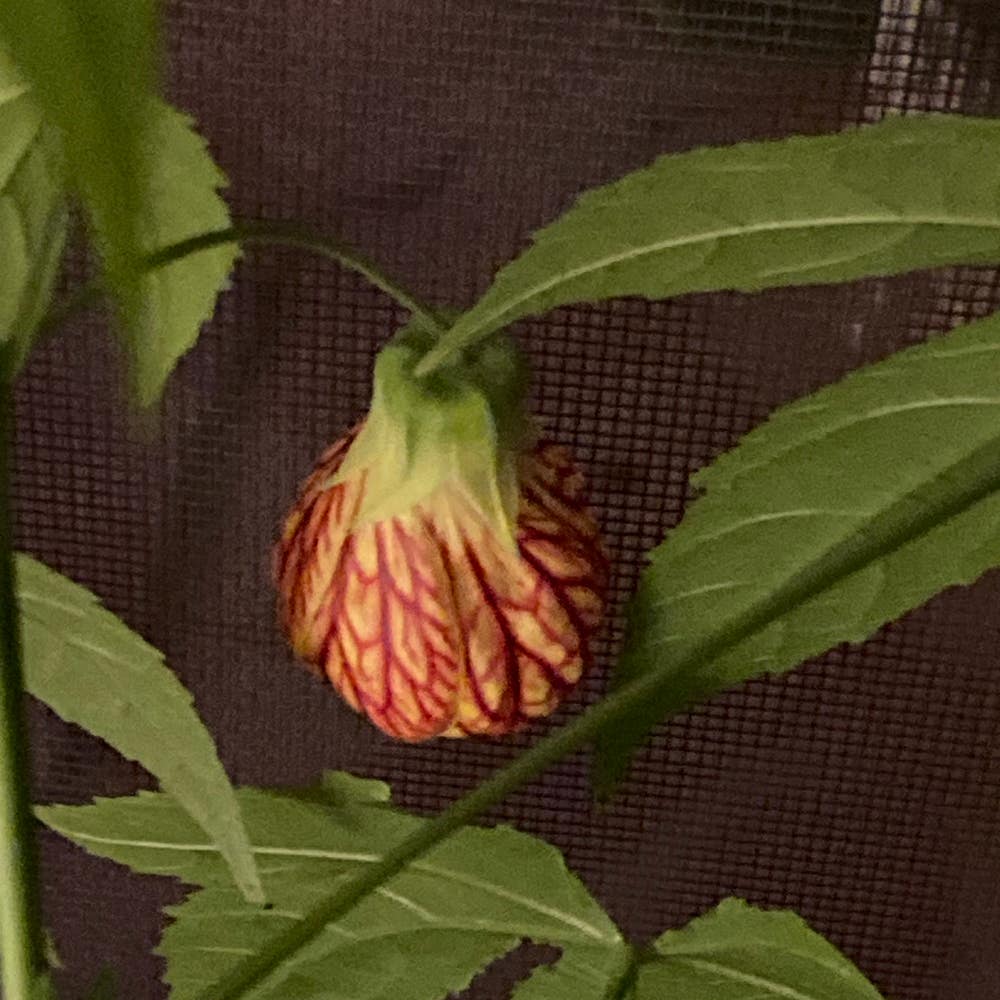
How to Get a Velvetleaf to Bloom
Abutilon theophrasti
By the Greg Editorial Team
Jun 18, 2024•4 min read
This article was created with the help of AI so we can cover more plants for you. May contain errors. See one? Report it here.
Ignite your Velvetleaf's blooming potential 🌺 and elevate your garden's charm with these expert tips.
- 6+ hours of sunlight or grow lights ensure Velvetleaf blooms.
- 65°-75°F and balanced humidity are key to flowering.
- Prune and fertilize wisely to boost blooming potential.
Optimizing Light to Entice Blooms
🌞 The Right Rays: Sunlight Intensity and Duration
Velvetleaf, a sun worshipper, demands ample light to unfurl its blooms. It thrives with full sun to partial shade, basking in at least 6 hours of sunlight daily.
Rotate your plant periodically to ensure all sides receive their share of sunshine, promoting even growth and bloom development.
💡 Artificial Light: Can It Compensate?
When the sun plays hide and seek, grow lights step in to keep the bloom show on the road.
Position lights about 10-12 inches from the leaves, glowing for 10-12 hours to mimic the sun’s embrace. Watch for signs of too much love—bleached leaves are a no-go.
Keep the light bright but indirect; think of it as a gentle nudge rather than a full-on shove towards flowering.

Crafting the Perfect Climate
🌡️ Temperature: The Warmth Velvetleaf Craves
Velvetleaf thrives in warmth. For blooms to unfurl, maintain temperatures between 65°-75°F (18°C-24°C). This range stimulates flowering, much like a cozy blanket encourages a nap. Stray from this, and your plant's performance may slump.
💦 Humidity: The Moisture Factor
Humidity is the silent partner in the blooming ballet. Aim for a humidity level that's just right—not too dry, not a rainforest. Use a humidifier or a pebble tray to achieve this equilibrium. Remember, balance is key; too much moisture invites fungal gatecrashers, too little, and the blooms may bail. Keep air circulation in mind; it's the plant's version of a gentle caress.

Feeding for Flowers: Fertilization Focus
💡 Choosing the Right Fertilizer
Nutrients are key to coaxing your Velvetleaf into a spectacular bloom. It's like picking a multivitamin for your plant; you want one high in potassium to cheer those flowers on. Organic options, like those with bat guano and earthworm castings, are like the secret sauce for your flowering friend. But don't get it twisted—synthetic fertilizers can also pack a punch for your petals.
💡 Timing and Technique
When it comes to fertilizing, timing is everything. Start when your Velvetleaf's buds are just a twinkle in its leaves. A consistent, gentle approach is your best bet—think of it as a steady diet rather than a feast-or-famine routine. And always apply to moist soil to avoid the dreaded root burn. Remember, more isn't better; it's about balance. Stick to the recommended ratios to avoid turning your bloom dreams to dust.

Encouraging Blooms Through Pruning
🌱 Strategic Snips: Pruning for Potency
Pruning isn't just a cosmetic fix; it's a growth strategy. By removing excess foliage, you're directing your Velvetleaf's energy towards flowering. Timing is crucial—prune in late winter or early spring to set the stage for blooms.
🌿 Pruning Do's
- Snip away spent flowers and yellowing leaves to encourage new growth.
- Cut above a node for the best chance of new branches and flowers.
- Use clean, sharp tools to make precise cuts, avoiding damage to the plant.
🚫 Pruning Don'ts
- Don't turn into Edward Scissorhands; over-pruning can stress your plant.
- Avoid cutting more than 30% of the plant in one session.
- Never prune without a plan; each cut should have a purpose.
🌱 Post-Pruning Care
After pruning, it's prime time for fertilization. This gives your Velvetleaf a boost, redirecting its energy into blooming. Keep an eye out for new growth and adjust care routines to support those potential blooms. Remember, it's not just about cutting back; it's about guiding your plant towards its blooming potential.
Solving the No-Bloom Blues
🌼 Common Culprits
Velvetleaf, a garden diva, can throw a no-show when it comes to blooming. Light is often the lead offender; too little and your plant's performance is lackluster, too much and it's a sun-scorched tragedy. Nutrient imbalances also crash the party—too much nitrogen and you'll have lush leaves stealing the spotlight from potential blooms.
Turning Things Around
To get your Velvetleaf back on the blooming track, start with a light audit. Is it basking in the right amount of sun or hiding in the shadows? Adjust its position or your lighting strategy accordingly. Next, scrutinize your fertilization routine. If you've been heavy-handed with nitrogen, switch to a phosphorus-rich diet to set the stage for those blooms.
Watering is another act to master—too much is a soggy path to root rot, too little and you're in drought territory. Aim for the sweet spot where the soil is moist but not waterlogged. And don't forget about temperature and humidity; these need to be just right for your Velvetleaf to hit its flowering cues.
Lastly, if pests like aphids or spider mites are gatecrashing, show them the door with prompt treatment. A plant under siege won't waste energy on flowers. Remember, sometimes the best intervention is a community tip—reach out to fellow gardeners who've faced similar struggles. They might just have the blooming secret you need.
⚠️ Safety First
This content is for general information and may contain errors, omissions, or outdated details. It is not medical, veterinary advice, or an endorsement of therapeutic claims.
Always consult a qualified healthcare professional before using any plant as food, medicine, or supplement.
Never eat any plant (or feed one to pets) without confirming its identity with at least two trusted sources.
If you suspect poisoning, call Poison Control (800) 222-1222, the Pet Poison Helpline (800) 213-6680, or your local emergency service immediately.
Spotted an error? Please report it here.
Achieve a flourishing velvetleaf 🌺 with Greg's personalized care reminders that cater to its light, temperature, and watering needs, straight from the insights of this guide!