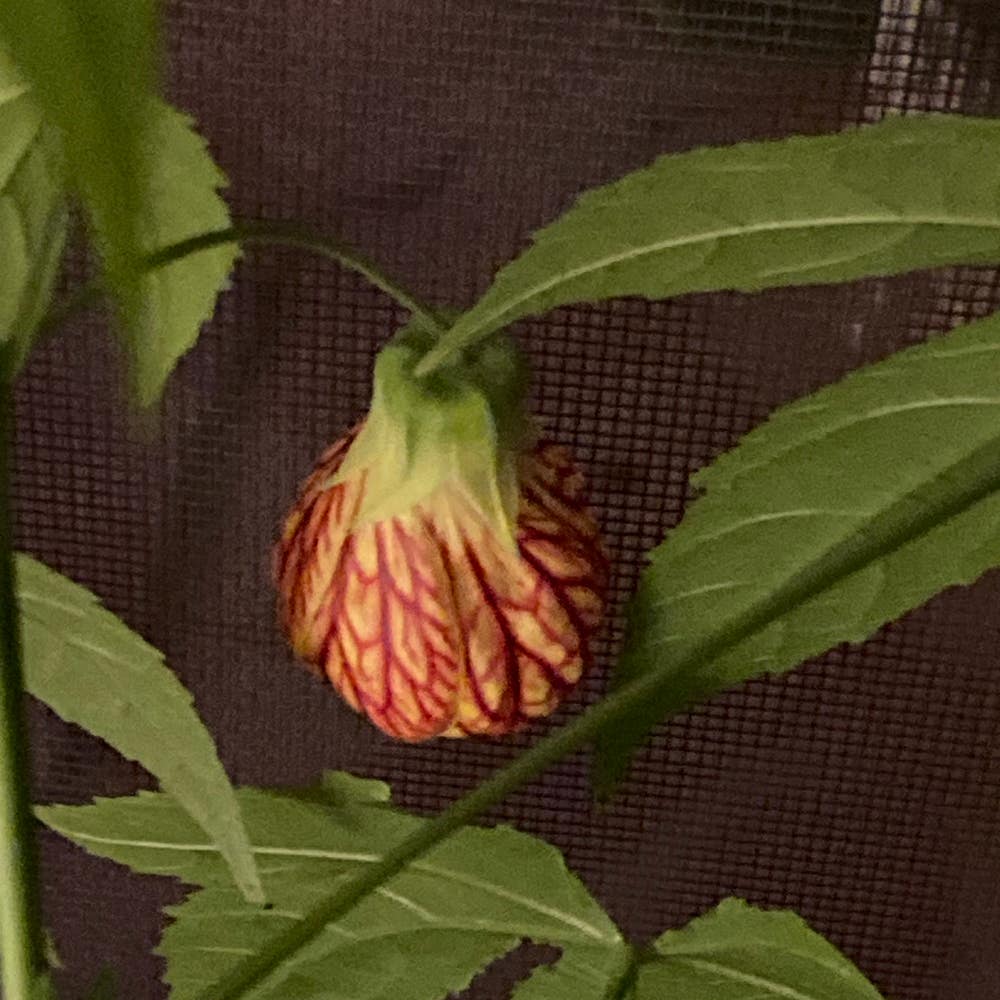
🍃 Velvetleaf: An Annual Plant
Abutilon theophrasti
By the Greg Editorial Team
Sep 30, 2024•5 min read
This article was created with the help of AI so we can cover more plants for you. May contain errors. See one? Report it here.
Unlock your garden's potential with Velvetleaf's rapid growth and adaptability for a vibrant ecosystem! 🌿
- 🌱 Velvetleaf is an annual plant, thriving in 60 to 90 days with rapid growth.
- 🌍 It produces thousands of seeds, ensuring survival and spread across various landscapes.
- 🌞 Adaptable to environments, Velvetleaf excels in disturbed habitats and urban landscapes.
Genetic and Physiological Characteristics
🌱 Lifecycle of Velvetleaf
Velvetleaf undergoes a fascinating lifecycle that includes four distinct stages: germination, vegetative growth, flowering, and seed production. This entire process typically spans 60 to 90 days, making it a quick and efficient annual plant.
During germination, seeds absorb moisture and swell, eventually breaking through the soil. As the plant enters vegetative growth, it focuses on developing height and leaves, setting the stage for its vibrant flowers.
📈 Growth Patterns and Reproductive Strategies
Velvetleaf is known for its rapid growth characteristics, often reaching impressive heights while producing large, broad leaves. This swift development is influenced by various environmental factors, such as soil quality, moisture, and sunlight.
One of the plant's standout features is its unique reproductive strategy, which includes a high seed output. Velvetleaf can produce thousands of seeds, ensuring its survival and spread across diverse landscapes.
Seed viability is another critical aspect of its reproductive success. Seeds can remain dormant in the soil for extended periods, waiting for the right conditions to germinate.
Dispersal mechanisms also play a vital role in its lifecycle. Velvetleaf seeds can be carried by wind, water, or animals, allowing them to colonize new areas effectively. This adaptability is key to its survival in various environments.
As we explore the evolutionary advantages of Velvetleaf, we’ll see how its annual lifecycle contributes to its resilience and success in diverse habitats.
Evolutionary Advantages and Adaptation
Benefits of Being an Annual Plant 🌱
Velvetleaf, as an annual plant, excels in resource allocation. It channels energy into rapid growth and reproduction, ensuring its survival in competitive environments.
This strategy allows Velvetleaf to quickly capitalize on favorable conditions. By focusing on producing seeds in a short timeframe, it maximizes its chances of thriving.
Environmental Adaptation 🌍
One of Velvetleaf's remarkable traits is its resilience in disturbed habitats. It can thrive in a variety of conditions, from urban landscapes to agricultural fields.
This adaptability is evident in its ability to flourish across different soil types, moisture levels, and light availability. Velvetleaf's versatility makes it a formidable presence in diverse ecosystems.
Examples of Environmental Adaptation 🌿
In sandy soils, Velvetleaf establishes deep roots to access moisture. In contrast, in clay-rich environments, it develops a broader leaf structure to capture sunlight efficiently.
These adaptations not only enhance its growth but also ensure its survival against environmental stresses. Velvetleaf’s ability to adjust to its surroundings is a testament to its evolutionary success.
As we explore the impact of its annual lifecycle, we’ll see how these adaptations play a crucial role in its growth and flowering timeline.
Impact of Annual Lifecycle
🌱 Growth and Flowering Timeline
Velvetleaf showcases distinct seasonal growth patterns, with flowering and seed set occurring at specific times. Typically, flowering happens in mid to late summer, aligning with optimal environmental conditions.
Several factors influence this timeline, including temperature, light, and moisture levels. Warmer temperatures and ample sunlight can accelerate growth, while moisture availability ensures robust flowering.
🌾 Seed Production and Dispersal
One of the most striking features of Velvetleaf is its impressive seed production. A single plant can produce thousands of seeds, significantly enhancing its chances of survival and spread.
The mechanisms of seed dispersal are equally fascinating. Velvetleaf employs strategies like wind, water, and animal interactions to maximize reach and colonization, ensuring its presence in diverse environments.
This annual lifecycle not only boosts its adaptability but also sets the stage for the next phase of growth and survival strategies.
Variations in Velvetleaf Behavior
Instances of Atypical Growth 🌱
Velvetleaf can exhibit unexpected growth patterns due to various environmental factors. Changes in temperature, moisture levels, and light exposure can all influence how this plant develops.
For instance, in cooler climates, Velvetleaf may grow shorter and produce fewer leaves. Conversely, in warmer regions with ample moisture, it can reach impressive heights and lush foliage.
Influencing Factors 🌍
Soil quality plays a crucial role in Velvetleaf's growth. Nutrient-rich soils promote robust development, while poor soil can stunt its growth.
Additionally, competition with other plants can significantly impact Velvetleaf. When surrounded by aggressive species, it may struggle to thrive, leading to reduced height and fewer flowers.
Understanding these variations helps gardeners and ecologists appreciate Velvetleaf's adaptability and resilience in diverse environments. This knowledge can guide effective management and cultivation strategies.
As we explore the gardening applications of Velvetleaf, consider how these growth variations can inform your planting decisions.
Gardening Applications
Utilizing Velvetleaf in Garden Design 🌿
Incorporating Velvetleaf into your garden can enhance both aesthetics and functionality. Its vibrant green leaves and striking height create a lush backdrop, while its rapid growth fills in gaps quickly.
Companion planting with Velvetleaf offers additional benefits. Pairing it with other species can improve soil health and deter pests, creating a thriving ecosystem in your garden.
Tips for Succession Planting ⏳
Staggered planting is a fantastic way to extend bloom time. By planting Velvetleaf in intervals, you can enjoy its beauty throughout the growing season.
Aim for planting every two to three weeks. This approach ensures a continuous display of foliage and flowers, keeping your garden lively.
Strategies for Extending the Growing Season 🌱
To prolong Velvetleaf's lifecycle, consider season extension techniques. Techniques like mulching and using row covers can protect plants from early frosts.
Protective structures such as cold frames and greenhouses also play a crucial role. They create a microclimate that allows Velvetleaf to thrive even in cooler temperatures.
With these strategies, you can maximize the potential of Velvetleaf in your garden, ensuring it remains a vibrant part of your landscape throughout the seasons.
⚠️ Safety First
This content is for general information and may contain errors, omissions, or outdated details. It is not medical, veterinary advice, or an endorsement of therapeutic claims.
Always consult a qualified healthcare professional before using any plant as food, medicine, or supplement.
Never eat any plant (or feed one to pets) without confirming its identity with at least two trusted sources.
If you suspect poisoning, call Poison Control (800) 222-1222, the Pet Poison Helpline (800) 213-6680, or your local emergency service immediately.
Spotted an error? Please report it here.
Cultivate your own thriving Velvetleaf garden with Greg's tailored care tips 🌿 that ensure your plant flourishes and spreads its beauty all season long!