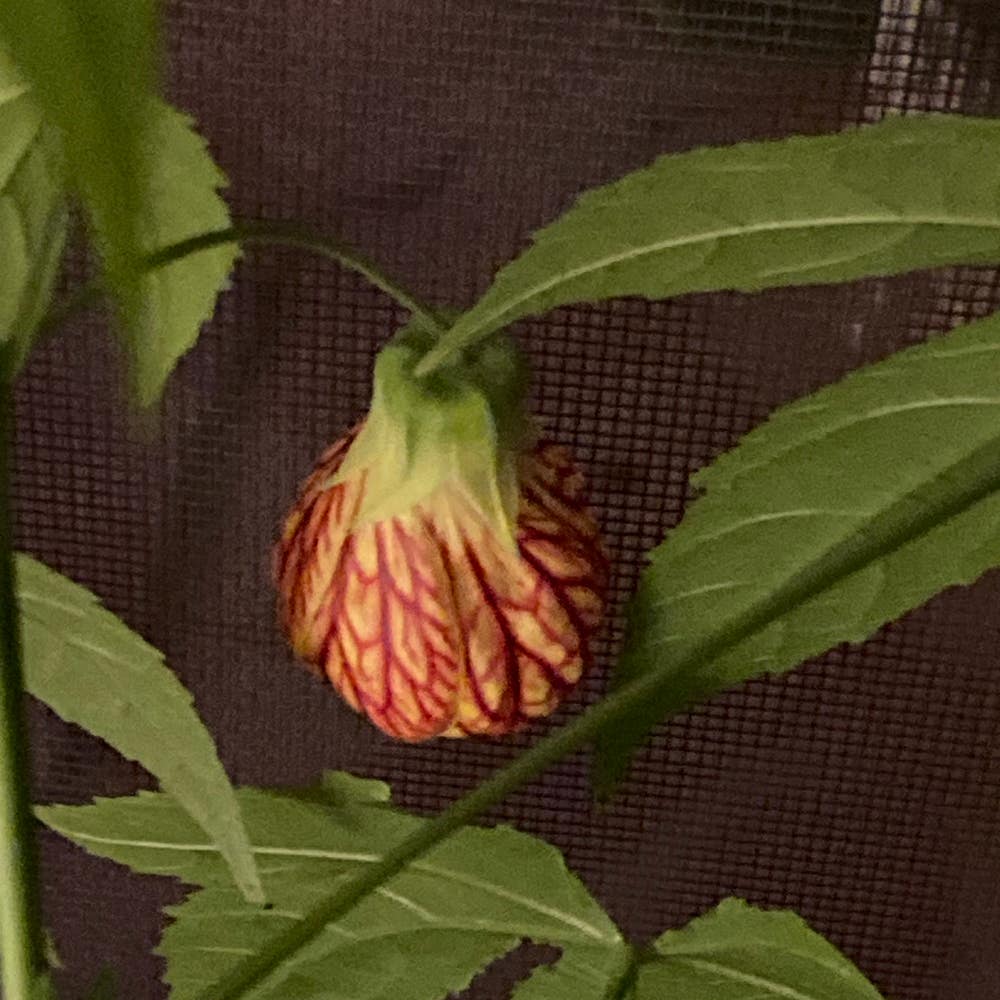
Why Are My Velvetleaf Leaves Dropping?
Abutilon theophrasti
By the Greg Editorial Team
Jun 18, 2024•4 min read
This article was created with the help of AI so we can cover more plants for you. May contain errors. See one? Report it here.
Prevent your Velvetleaf's untimely leaf-fall 🍂 with our essential care secrets for plant vitality!
- Nutrient balance is key; nitrogen, potassium, magnesium deficiencies cause leaf drop.
- 🌧️💧 Water wisely to prevent over/underwatering and root rot.
- Seasonal care adjustments protect against extreme weather and pests.
When Leaves Take the Plunge: Identifying the Culprits
💡 Nutrient Shortfalls
Velvetleaf's leaves dropping? Nutrient deficiencies could be the silent culprits.
🚨 Spotting the Signs
Yellowing leaves and stunted growth are the plant's SOS signals. Nitrogen shortage leaves older leaves pale, while a lack of potassium scorches the tips. Magnesium? Without it, expect interveinal yellowing, a classic sign of deficiency.
🎯 The Big Three
Nitrogen, potassium, and magnesium are the trifecta for leaf retention. They're like the plant's lifeline, ensuring that leaves stay green and firmly attached.
🌊 Water Woes
Too much or too little water, and Velvetleaf's leaves will throw in the towel.
🚰 The Droopy Consequences
Overwatering leads to soggy soil and root rot, while underwatering leaves the plant dehydrated and droopy. It's a delicate balance.
🎯 Finding the Sweet Spot
The watering sweet spot? It's about as elusive as a perfect avocado. Check the soil's top inch; dryness is your cue to water. Aim for consistency, not a flood-and-drought cycle.
🌦️ Climate Conundrums
Extreme weather can push Velvetleaf leaves over the edge.
🌪️ Weather Woes
Too hot, too cold, or too drafty, and leaves might just pack their bags. They're not fans of weather drama.
🌡️ Seasonal Adjustments
Adjust care with the seasons to maintain a leaf-friendly climate. Rotate the plant for even growth and tweak watering to match the temperature. It's like dressing your plant for the weather—no scarves required, though.

Battling the Invisible Enemies: Pests and Diseases
🐜 Unwanted Guests
Velvetleaf plants can fall victim to pest invasions. Spider mites, aphids, and scale insects are the usual suspects, leaving your plant's leaves looking like a battlefield. Natural predators such as ladybugs can be your allies in this fight, while insecticidal soaps or neem oil offer a chemical line of defense.
🍄 Fungal Foes and Bacterial Bullies
Fungal diseases sneak in with black spots and wilted leaves, while a rotten smell might signal a bacterial infection. It's critical to act swiftly upon these signs. Fungicides and proper sanitation can turn the tide against these microscopic marauders, ensuring your Velvetleaf stays healthy and leafy.

Leaf Loss First Aid: Immediate Actions to Stop the Drop
💊 Emergency Nutrient Interventions
Balanced fertilizer is your Velvetleaf's best friend come spring. But if leaves are dropping like hot potatoes, it's time for a nutrient intervention. Grab a soil test kit; think of it as a medical check-up for your plant's home. If the results scream deficiency, consider a foliar feed—nutrients straight to the veins. And keep an eye on that pH level; too acidic or alkaline, and you're asking for trouble.
🚑 Watering Resuscitation
Overwatering or underwatering, both can send your Velvetleaf's leaves to an early grave. If the soil feels like a swamp, cease all watering and let it dry out. If it's drier than a desert, it's time to quench that thirst—slowly and steadily. Remember, room-temperature water only—no shocks here, we're not barbarians. And for heaven's sake, ensure your pot has drainage holes; root rot is the silent killer.
🌿 Creating a Leaf-Friendly Habitat
Immediate environment tweaks can save your Velvetleaf from a leafy demise. If your home's as dry as a comedian's wit, mist those leaves. Is your Velvetleaf shivering or sweating? Adjust the room temperature. No plant enjoys a sauna or an igloo. And light—bright but indirect, like a good undercover spotlight. Remember, consistency is the secret sauce; keep conditions as stable as a tortoise in a yoga class.

Keeping Leaves Loyal: Long-Term Prevention Strategies
💪 Consistent Care Routines
Consistency is your Velvetleaf's best friend. Like a trusty calendar reminder, a regular care routine is your ticket to a lush, leafy plant. Establish a schedule for watering, feeding, and pruning that aligns with your plant's growth cycle and stick to it. This isn't just about keeping your Velvetleaf alive—it's about helping it thrive.
👀 Vigilance and Early Detection
Keep your eyes peeled. Regular inspections for signs of distress—like yellowing leaves or a sad, droopy demeanor—are crucial. Think of it as your plant's non-verbal SOS. Catching issues early can be the difference between a quick fix and a Velvetleaf funeral. Adjust care as needed, and always be ready to play plant detective.
🛡️ Building Resilience
Strengthen your Velvetleaf's defenses by acclimating it to its environment. This means gradual exposure to the elements and ensuring it has the right soil mix for optimal drainage and nutrient uptake. A resilient Velvetleaf is less likely to succumb to pests, diseases, or the occasional care slip-up. It's about giving your plant the tools to stand strong, come what may.
⚠️ Safety First
This content is for general information and may contain errors, omissions, or outdated details. It is not medical, veterinary advice, or an endorsement of therapeutic claims.
Always consult a qualified healthcare professional before using any plant as food, medicine, or supplement.
Never eat any plant (or feed one to pets) without confirming its identity with at least two trusted sources.
If you suspect poisoning, call Poison Control (800) 222-1222, the Pet Poison Helpline (800) 213-6680, or your local emergency service immediately.
Spotted an error? Please report it here.
Prevent Velvetleaf leaf drop and maintain vibrant health 🌿 with Greg's personalized watering schedules and nutrient tracking, plus community support for any plant care challenge.