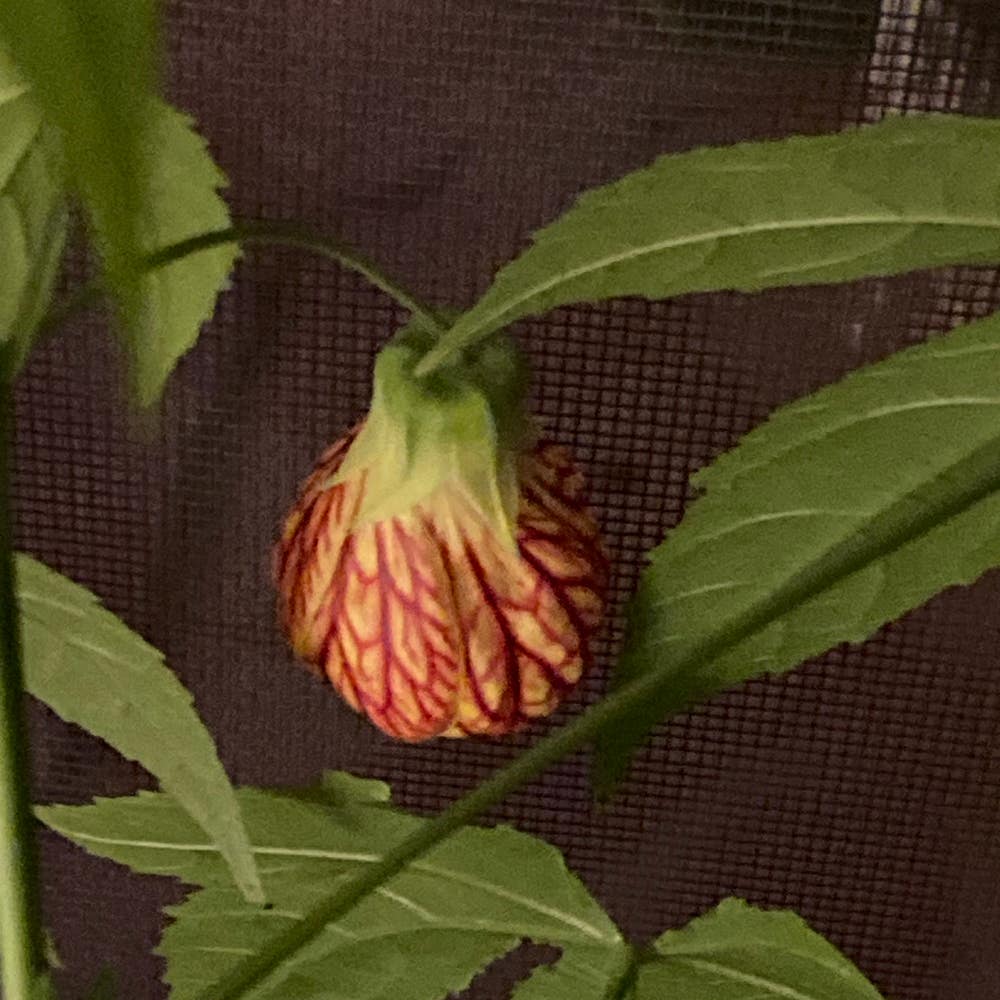
Velvetleaf Root Rot Solutions
Abutilon theophrasti
By the Greg Editorial Team
Jun 18, 2024•3 min read
This article was created with the help of AI so we can cover more plants for you. May contain errors. See one? Report it here.
Shield your velvetleaf from root rot woes with our expert rescue and defense tips! 🛡️🌿
- Yellow leaves and wilting signal potential root rot in velvetleaf.
- Immediate action: Stop watering, prune roots, repot with well-draining soil.
- Prevent future rot with balanced watering, proper soil, and climate control.
Spotting the Red Flags: Symptoms of Root Rot in Velvetleaf
🚨 Visual Distress Signals
Yellowing leaves in velvetleaf aren't a fashion statement; they're a cry for help. If your plant's leaves are wilting or its growth seems stunted, it's time to play plant detective. These visual cues are your first hint that root rot might be lurking beneath the surface.
Checking the Roots
To confirm your suspicions, you'll need to get your hands dirty. Gently unearth the plant and inspect the roots. Healthy roots are firm and white, but if they're brown and mushy, root rot has taken hold. A stench wafting from the soil is the olfactory red flag you can't ignore.

First Response: Immediate Steps to Address Velvetleaf Root Rot
🚱 Stop the Soak
Watering is a bit like love—too much can smother. If your velvetleaf is showing signs of root rot, stop watering immediately. Let the soil go from swampy to nearly Sahara before you even think about giving it another drink. Overwatering is the fast track to root rot, so let's not drown our leafy friends in affection, shall we?
🚑 Emergency Root Care
Think of root pruning like a haircut for your plant's underground tendrils—it's necessary for new growth. Snip away any roots that look more like leftovers from last week's dinner than part of a living plant. Brown, mushy, and smelly roots are out. After the bad bits are gone, repot your velvetleaf in fresh, well-draining soil to give it a new lease on life. Remember, sterilize those shears unless you fancy spreading the rot like a garden gossip.

Root Rot Rehab: Fostering Recovery in Velvetleaf
🌱 Fungal Foes: Choosing and Using Fungicides
Selecting the right fungicide is like picking a knight for battle; it must be well-suited to defend your velvetleaf's roots. Mefenoxam-based products are a good start, but they won't reverse damage, only prevent more from occurring. It's crucial to apply fungicides as directed, and sometimes, that means calling in a pro. If you're a DIY type, make sure to suit up with gloves and follow the label to a T.
🌿 Optimal Conditions for Healing
Post-fungicide, your velvetleaf needs a spa-like environment for recovery. Light is like the Goldilocks conundrum—not too much, not too little, just right. Temperature should be stable; think room temp, not a tropical getaway. And humidity? Moderate. You want to avoid creating a fungal rave. Keep the air moving with a gentle fan to simulate a soft breeze, steering clear of gale-force winds. Remember, you're not trying to launch your plant into orbit.

Fortifying Velvetleaf Against Future Attacks
💧 Water Wisdom
Watering is a balancing act. To keep your Velvetleaf's roots robust, water only when the top inch of soil is dry. Overwatering invites root rot, so think of your watering can as a precision tool, not a fire hose.
🌱 Soil and Potting Mastery
Drainage is non-negotiable. Mix perlite, vermiculite, or sand into your potting soil to create a fluffy, air-filled environment for your plant's roots. Choose a pot that's like a good pair of running shoes for your Velvetleaf—functional with excellent support and breathability.
🌿 Environmental Vigilance
Your indoor garden climate is a root rot battleground. Keep the air moving and the humidity in check. Think of your plant's space as a microclimate sanctuary where stagnant air and excess moisture are the unwelcome party crashers.
⚠️ Safety First
This content is for general information and may contain errors, omissions, or outdated details. It is not medical, veterinary advice, or an endorsement of therapeutic claims.
Always consult a qualified healthcare professional before using any plant as food, medicine, or supplement.
Never eat any plant (or feed one to pets) without confirming its identity with at least two trusted sources.
If you suspect poisoning, call Poison Control (800) 222-1222, the Pet Poison Helpline (800) 213-6680, or your local emergency service immediately.
Spotted an error? Please report it here.
Banish velvetleaf root rot by catching those yellow leaves early, and trust Greg 🛡️ to armor your plant care with precise watering schedules and health-boosting tips.