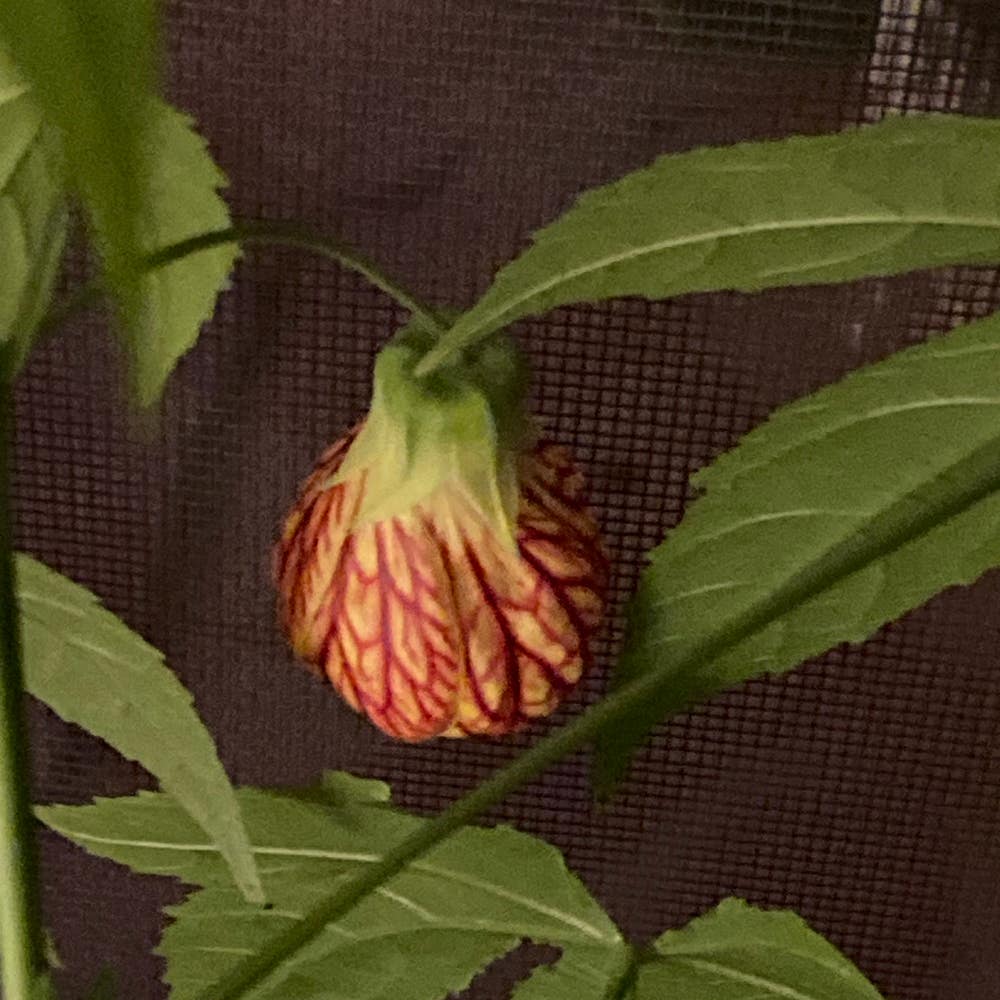
🌞 Is Direct Sunlight Good for My Velvetleaf?
Abutilon theophrasti
By the Greg Editorial Team
Jun 18, 2024•3 min read
This article was created with the help of AI so we can cover more plants for you. May contain errors. See one? Report it here.
Learn how to perfect Velvetleaf care by balancing its delicate dance with sunlight! 🌞🌿
- 🌳 Velvetleaf thrives in dappled light, not harsh direct sun.
- 🧭 Window orientation matters for the right light exposure.
- 🍂 Crispy edges on leaves signal too much sunlight. Adjust plant position.
When Velvetleaf Meets the Sun
🌞 Defining Direct Sunlight Through a Velvetleaf Lens
Direct sunlight is the unfiltered solar handshake that greets your Velvetleaf with intensity. It's the kind of light that casts sharp shadows, the kind that's perfect for a sunbathing session—if your plant were into that sort of thing. Indirect sunlight, however, is the polite nod from across the room, present but not overwhelming, like light filtered through a sheer curtain.
🌿 Velvetleaf's Love-Hate Relationship with Direct Sunlight
Velvetleaf's natural habitat offers clues to its sunlight preferences. Dappled light, the kind that sneaks through a forest canopy, is its jam. In your home, this translates to bright, indirect light. Velvetleaf's leaves are the tattletales here; they'll tell you if they're getting too much sun by turning crispy or too little by looking as dull as a cloudy day.

Your Window, Velvetleaf's World
🌞 The Window Compass: Navigating Light for Your Velvetleaf
In the Velvetleaf universe, your window is the sun. North-facing windows offer a gentle glow, perfect for this understated beauty. South-facing windows are the sun's megaphones, especially in the Northern Hemisphere—great for sunbathers but risky for Velvetleaf. East-facing windows? They're the soft-spoken morning friends, while west-facing windows bring the drama of a late-day sun that can be too intense for our leafy pal.
Hemisphere Highlights: Seasonal Sunlight Shifts
Your spot on the globe isn't just for bragging rights; it's a key player in the Velvetleaf's sun diet. In the Northern Hemisphere, south windows are the VIP lounge of sunlight. Down South? It's the north windows that roll out the red carpet. But remember, the sun's a fickle friend, changing angles with the seasons. Keep an eye out and shuffle your Velvetleaf to keep it basking in that Goldilocks zone—not too hot, not too cold.

Spotting Sun-Kissed or Sun-Scorched Leaves
🌞 Reading the Leaves: Signs of Too Much Sun
Velvetleaf's leaves are tattle-tales when it comes to sun exposure. Crispy edges or bleach spots scream 'too much sun', while a sad, droopy posture whispers 'I'm overwhelmed'. If your plant's leaves are more brown than green, they're practically shouting for shade. Watch for leaves that look washed out or have blotchy burns; these are the visual cries for help.
🌞 From Sunburn to Sunbath: Adjusting Light for Velvetleaf Comfort
Adjusting your Velvetleaf's sun intake is like finding the perfect water temperature for a bath—it's all about balance. If you spot signs of sun stress, such as brown spots or wilting, it's time to shuffle your plant a few inches back from the window. Rotate the pot regularly to prevent one-sided sun stress. Remember, as the seasons change, so should your plant's position to avoid those accidental sunbathing sessions. Keep a watchful eye and be ready to act; sometimes a small tweak is all it takes for your Velvetleaf to thrive.

Sunlight Savvy: Tips for Velvetleaf Bliss
🌞 Seasonal Sunlight Strategies
Velvetleaf's care shifts with the seasons, much like our wardrobe choices. Summer's intense rays demand strategic shading, while winter's feeble sun calls for maximum exposure. Rotate your plant to ensure even light distribution, preventing lopsided growth.
💡 The Balancing Act: Light and Velvetleaf's Other Needs
Light is just one piece of the Velvetleaf puzzle. Water your plant when the soil's top inch is dry, avoiding the dreaded soggy-foot syndrome. In the growing season, a balanced fertilizer every two weeks keeps your Velvetleaf robust. And don't forget, high humidity keeps it in its tropical happy place. Keep these elements in harmony, and watch your Velvetleaf thrive.
⚠️ Safety First
This content is for general information and may contain errors, omissions, or outdated details. It is not medical, veterinary advice, or an endorsement of therapeutic claims.
Always consult a qualified healthcare professional before using any plant as food, medicine, or supplement.
Never eat any plant (or feed one to pets) without confirming its identity with at least two trusted sources.
If you suspect poisoning, call Poison Control (800) 222-1222, the Pet Poison Helpline (800) 213-6680, or your local emergency service immediately.
Spotted an error? Please report it here.
Find the perfect spot 🌞 for your Velvetleaf with Greg's PlantVision, ensuring it thrives with just the right amount of dappled light, no matter the season.