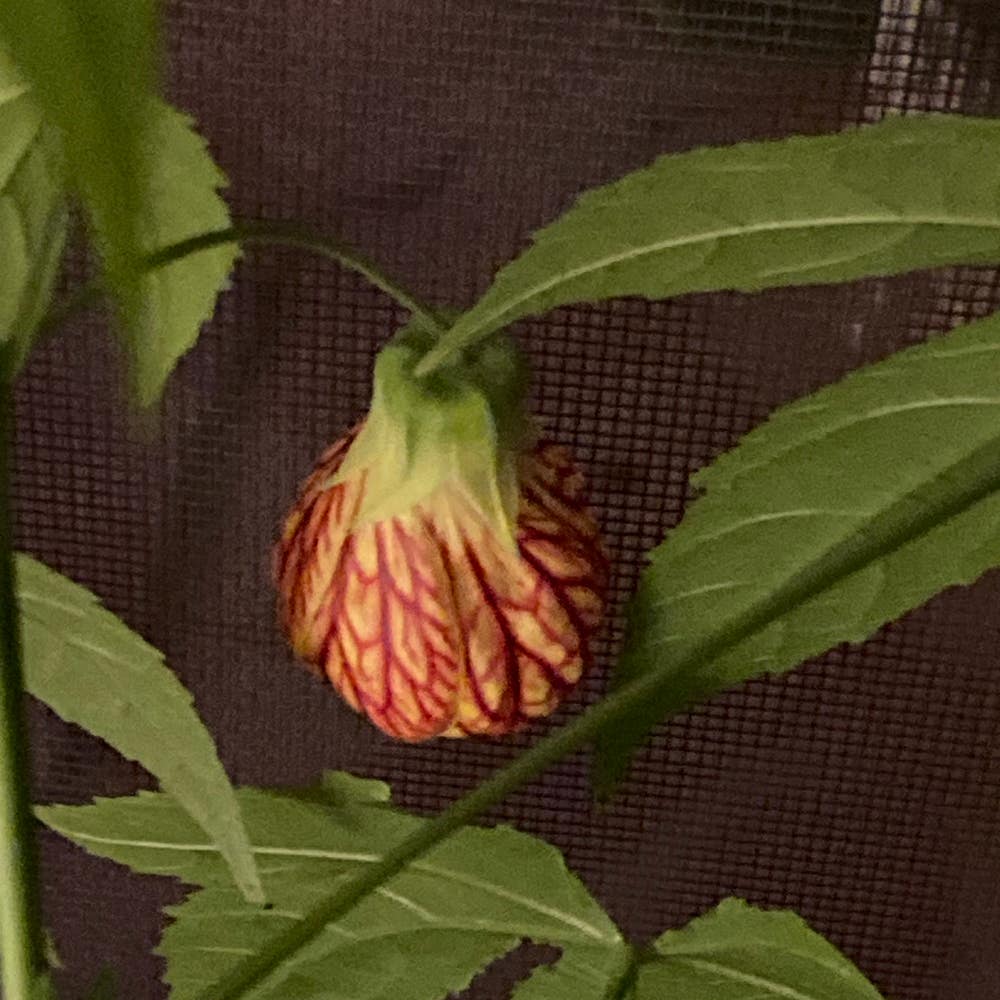
My Velvetleaf's Light Requirements
Abutilon theophrasti
By the Greg Editorial Team
Jun 18, 2024•3 min read
This article was created with the help of AI so we can cover more plants for you. May contain errors. See one? Report it here.
Master Velvetleaf's light needs for a thriving, blooming indoor oasis. 🌞🌱
- 🌤️ Morning sun, afternoon shade to prevent Velvetleaf sunburn.
- 🏡 Bright, indirect indoor light or full-spectrum LEDs for growth.
- 💡 Adjust light for flowering: Blue for foliage, red for blooms.
Basking in the Sun: Outdoor Light Bliss for Velvetleaf
🌞 Finding the Sweet Spot
Velvetleaf craves sunlight but doesn't fancy a sunburn. It's a fan of the morning sun and afternoon shade, a combo that keeps it perky without the risk of crispy leaves.
- Full sun can be a bit much, so aim for a locale that offers a mix of light and shadow.
- Use shade cloth or strategic placement to shield your Velvetleaf from the harsh midday sun.
🛡️ Protecting from the Scorch
Leaf scorch is like a bad sunburn for Velvetleaf. Yellowing or browning leaves are tell-tale signs that your green buddy is getting too much UV love.
- Curling leaves? That's your plant's way of crying out for sunscreen, or in this case, less sun.
- To combat heat stress, create some shade or move your plant to a cooler spot during the peak heat hours.

Velvetleaf's Indoor Light Saga
🌿 Emulating Nature Inside Your Home
Velvetleaf thrives in bright, indirect light—the kind that mimics a shady spot on a sunny day. Place it near a window draped with sheer curtains to diffuse the harsh rays. Rotate the plant occasionally to ensure even growth, avoiding the lopsided look of a plant stretching desperately for light.
💡 Grow Lights: Velvetleaf's Indoor Sun
Choosing a grow light? Go for full-spectrum LEDs; they're the indoor sun without the burn. Position them overhead, not too close, to avoid leaf scorch. Aim for a 12 to 14-hour light cycle, using a timer to replicate the sun's schedule. This will keep your Velvetleaf in a steady rhythm, avoiding the confusion of an all-night Vegas buffet.

Light: The Conductor of Velvetleaf's Flower Symphony
💡 When Velvetleaf Decides to Flower
Light is the unsung hero in the Velvetleaf's decision to flower. It's not just about flipping a switch; it's about fine-tuning the wavelengths and duration to cue the plant's blooming performance. Bright, indirect light is the Velvetleaf's jam, mimicking the dappled sunlight of its native environment and coaxing out those sought-after blooms.
To encourage flowering, you'll need to play light maestro. During the growing season, extend daylight with grow lights if natural sunlight is playing hard to get. Blue wavelengths foster lush foliage, but it's the red spectrum that whispers sweet nothings to your Velvetleaf, urging it to flower. Keep it bright, but not too direct, unless you want to witness the sad tale of crispy leaves.
Adjusting light for encouraging blooms is like being a plant DJ. Too little light and your Velvetleaf might as well be hibernating; too much and you risk a botanical sunburn. It's all about watching and reacting, tweaking the dials of light duration and intensity. Think of it as mixing the perfect track for a blooming dance floor, without the actual dancing, of course.

⚠️ Safety First
This content is for general information and may contain errors, omissions, or outdated details. It is not medical, veterinary advice, or an endorsement of therapeutic claims.
Always consult a qualified healthcare professional before using any plant as food, medicine, or supplement.
Never eat any plant (or feed one to pets) without confirming its identity with at least two trusted sources.
If you suspect poisoning, call Poison Control (800) 222-1222, the Pet Poison Helpline (800) 213-6680, or your local emergency service immediately.
Spotted an error? Please report it here.
Let Greg's PlantVision optimize your Velvetleaf's light exposure ☀️🌿, preventing leaf scorch and ensuring your plant thrives with just the right amount of sun and shade.