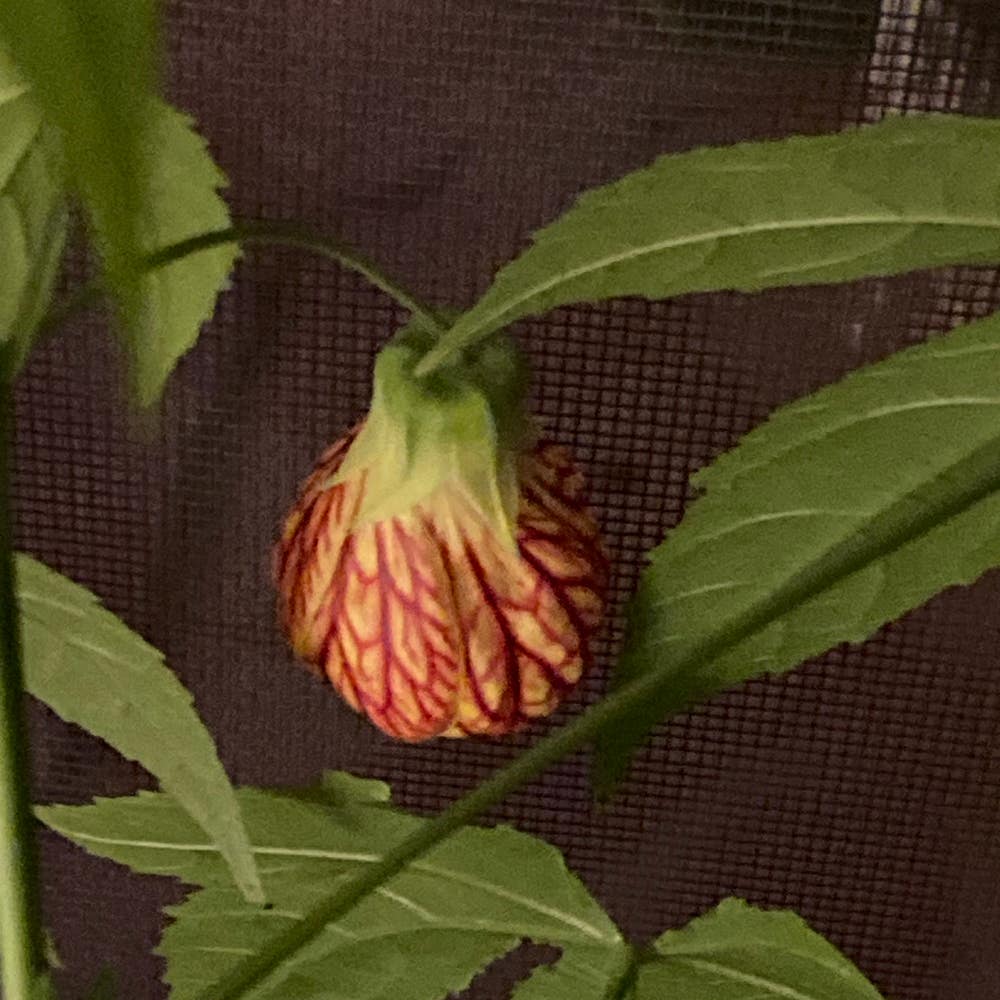
❄️ Velvetleaf Hardiness Zones: 4a-9b
Abutilon theophrasti
By the Greg Editorial Team
Sep 30, 2024•4 min read
This article was created with the help of AI so we can cover more plants for you. May contain errors. See one? Report it here.
Unlock the secret to thriving Velvetleaf by mastering its temperature needs and ideal growing conditions! 🌱
- 🌱 Velvetleaf thrives in USDA zones 4a-9b, suitable for diverse U.S. climates.
- ❄️ Protect from frost using mulch or frost cloths to ensure healthy growth.
- ☀️ Optimal growth occurs between 70°F-85°F, requiring full sun and consistent moisture.
Velvetleaf Temperature Tolerance
❄️ Cold Tolerance
Velvetleaf can withstand temperatures as low as 20°F (-6°C). However, frost can significantly hinder its growth, leading to stunted development or even plant death.
To protect Velvetleaf from cold damage, consider using mulch or frost cloths. These strategies can help insulate the plants during unexpected cold snaps.
☀️ Heat Tolerance
On the flip side, Velvetleaf thrives in temperatures up to 95°F (35°C). High temperatures can stress the plant, causing wilting or leaf drop if not managed properly.
During heat spells, maintaining adequate moisture is crucial. Regular watering helps keep Velvetleaf healthy and vibrant.
🌡️ Ideal Temperature Ranges for Growth
The optimal temperature range for Velvetleaf growth is between 70°F and 85°F (21°C to 29°C). Seasonal fluctuations can impact growth, so it's essential to monitor temperature changes throughout the year.
Consistency in temperature is vital for healthy Velvetleaf development. Sudden shifts can disrupt growth patterns and overall plant health.
Understanding these temperature tolerances will help you cultivate Velvetleaf successfully, setting the stage for exploring ideal growing regions next.
Ideal Growing Regions for Velvetleaf
🌍 Suitable US States
Velvetleaf thrives in hardiness zones 4a to 9b, making several states ideal for its growth. Notable mentions include California, Texas, and Florida, where the climate supports its needs.
In California, the Central Valley offers warm temperatures and ample sunlight. Texas has diverse regions, with areas like the Hill Country providing the right conditions. Florida’s subtropical climate is also favorable, especially in southern regions.
🌱 Contributing Factors for Ideal Conditions
For optimal growth, Velvetleaf prefers well-drained soils. This ensures that roots can access moisture without becoming waterlogged.
Sunlight is crucial; Velvetleaf flourishes in full sun exposure. A sunny environment promotes robust growth and vibrant foliage.
Local climate plays a significant role in supporting Velvetleaf. Consistent temperatures and minimal frost contribute to a healthy growing environment.
Understanding these factors can help you cultivate Velvetleaf successfully in your garden. With the right conditions, this plant can truly thrive, adding beauty and resilience to your landscape.
As we explore further, let’s dive into how microclimates can enhance Velvetleaf's growth potential.
Microclimates and Velvetleaf
🌡️ Impact of Microclimates
Microclimates can significantly influence the temperature and moisture levels that Velvetleaf experiences. These localized conditions can create a more favorable environment for growth, allowing Velvetleaf to thrive even in less-than-ideal overall climate zones.
🌍 Extending Velvetleaf's Growing Range
By leveraging microclimates, gardeners can potentially extend the growing range of Velvetleaf. Areas with unique features, such as hills or bodies of water, can create pockets of warmth or humidity that benefit this plant.
🌿 Examples of Beneficial Microclimates
- Urban Areas: Cities often have heat islands that keep temperatures higher, which can be advantageous for Velvetleaf.
- Coastal Regions: Proximity to water can moderate temperatures and provide consistent moisture, ideal for growth.
- South-Facing Slopes: These areas receive more sunlight and warmth, creating a perfect microclimate for Velvetleaf.
Understanding these microclimates can help you make informed decisions about where to plant Velvetleaf. This knowledge not only enhances your gardening success but also fosters a deeper connection with the environment.
Next, let’s explore the state-level suitability for Velvetleaf, focusing on which states are best for cultivation.
State-Level Suitability for Velvetleaf
🌍 Suitable and Unsuitable States
Velvetleaf thrives in hardiness zones 4a to 9b, making it suitable for a variety of states. Key states include:
- California: Ideal for its warm climate and extended growing season.
- Texas: Offers diverse conditions that support Velvetleaf's growth.
- Florida: Perfect for its subtropical climate, allowing for year-round cultivation.
Conversely, states outside this range may struggle with Velvetleaf. For instance, states like Maine and North Dakota experience harsher winters, making it difficult for Velvetleaf to survive. Similarly, areas in Alaska face extreme cold, which is unsuitable for this plant.
❄️ Frost Dates and Their Impact
Understanding frost dates is crucial for successful Velvetleaf cultivation. The first frost date marks when temperatures drop below freezing, while the last frost date indicates the end of frost risk in spring.
These dates are vital for planning your planting schedule. If you plant too early, your Velvetleaf may suffer frost damage, while planting too late could shorten the growing season.
To avoid frost damage, consider these strategies:
- Check Local Frost Dates: Research your area's specific frost dates.
- Use Frost Covers: Protect young plants with covers during unexpected cold snaps.
- Timing: Aim to plant Velvetleaf after the last frost date for optimal growth.
By being mindful of frost dates, you can ensure a healthy and productive Velvetleaf garden. This knowledge sets the stage for exploring how microclimates can further enhance Velvetleaf's growing potential.
⚠️ Safety First
This content is for general information and may contain errors, omissions, or outdated details. It is not medical, veterinary advice, or an endorsement of therapeutic claims.
Always consult a qualified healthcare professional before using any plant as food, medicine, or supplement.
Never eat any plant (or feed one to pets) without confirming its identity with at least two trusted sources.
If you suspect poisoning, call Poison Control (800) 222-1222, the Pet Poison Helpline (800) 213-6680, or your local emergency service immediately.
Spotted an error? Please report it here.
Cultivating Velvetleaf is a breeze 🌱 with Greg's tailored frost alerts and care tips, ensuring your plant thrives beautifully in any climate!