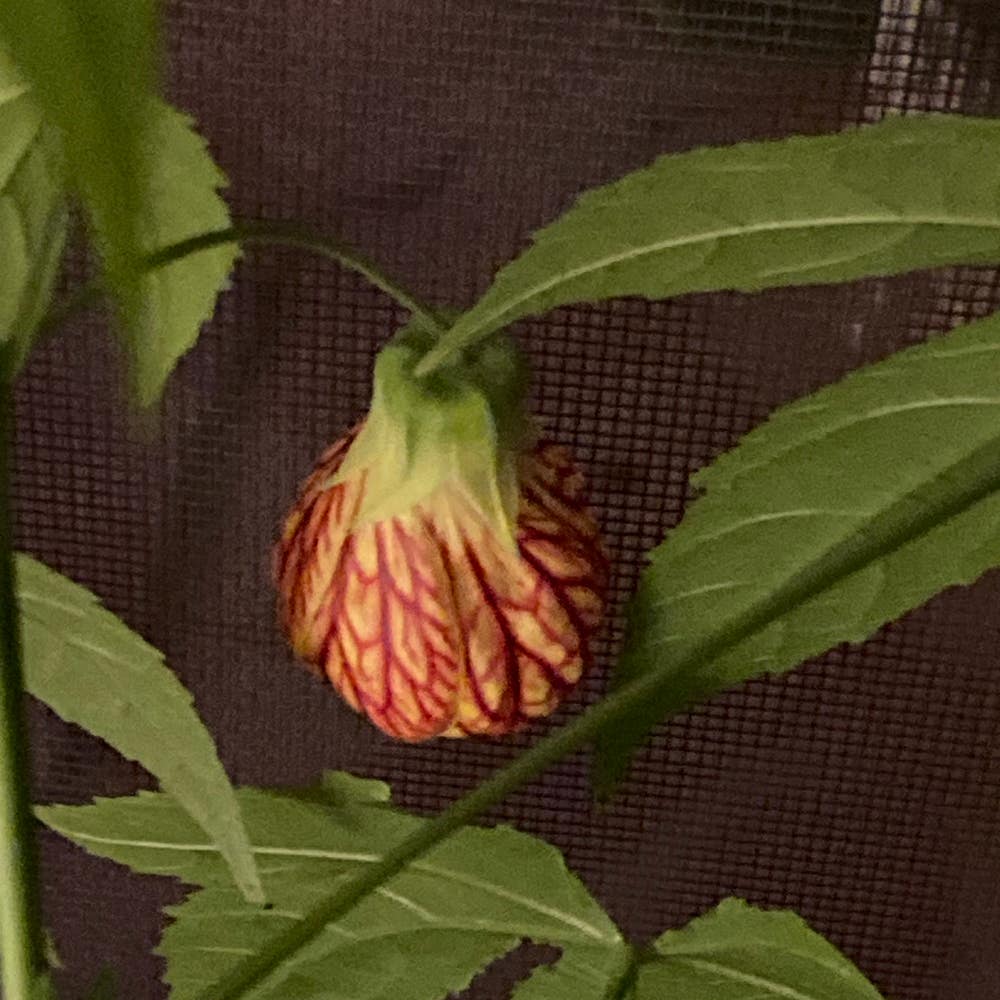
Velvetleaf Fertilizer: How and When to Use It
Abutilon theophrasti
By the Greg Editorial Team
Jun 18, 2024•4 min read
This article was created with the help of AI so we can cover more plants for you. May contain errors. See one? Report it here.
Achieve stunning Velvetleaf blooms 🌺 by mastering the perfect fertilization timing and technique.
- NPK ratios and micronutrients are key for Velvetleaf's vibrant blooms.
- Fertilize in spring, continue monthly through summer for optimal growth.
- Over-fertilization symptoms? Stop, flush soil, prune, and resume modestly.
Picking the Right Fertilizer for Your Velvetleaf
💡 Understanding NPK Ratios for Blooming
NPK ratios are like a secret code to unlocking your Velvetleaf's potential. Nitrogen is the green-thumb wizard, phosphorus the bloom conjurer, and potassium the plant's personal trainer. A balanced 10-10-10 ratio is a safe bet, but don't let the big three overshadow the micronutrients—they're the unsung heroes for vibrant blooms.
🌱 Organic vs. Synthetic: What's Best for Your Blooms?
Organic fertilizers are the tortoises in the race—slow and steady, nurturing the soil and your Velvetleaf over time. They're the eco-friendly choice but require patience. Synthetic fertilizers, on the other hand, are the hares—quick to act, delivering fast results, but with the risk of overdoing it. Dosage control is crucial to avoid turning your Velvetleaf's world upside down.

Timing is Everything: When to Fertilize for Optimal Blooms
⏰ Syncing Fertilization with Velvetleaf's Growth Cycle
Seasonal timing is crucial for Velvetleaf fertilization. Begin your fertilizing routine in spring, as new growth emerges. This is when Velvetleaf's appetite for nutrients skyrockets. Continue monthly through summer, aligning with the plant's natural growth spurt. As autumn approaches and growth slows, taper off; your Velvetleaf is starting to wind down and requires less.
🔍 Reading the Signs: Velvetleaf's Nutrient Needs
Velvetleaf will tell you when it's time for a nutrient boost. Look for slower growth or pale leaves as signs of hunger. If blooms are lackluster, it might be craving phosphorus. But don't jump the gun—overzealous fertilizing can cause more harm than good. It's a balancing act; think of it as keeping your plant's diet in check. Too much and you risk nutrient burn, too little and your blooms may suffer. Keep a watchful eye and adjust your approach based on your Velvetleaf's performance.

Fertilizing Techniques for Lush Velvetleaf Blooms
💡 The Right Way to Apply Fertilizer
Timing and technique are crucial when fertilizing Velvetleaf. Begin by moistening the soil to prevent root burn—think of it as pre-gaming before the main event. Choose a fertilizer with a blooming formula and follow these steps:
- Check the soil moisture; it should be damp, not dry.
- Don protective gloves—safety isn't just for crossing streets.
- Sprinkle granular fertilizer around the plant's base, not directly on the foliage or stems.
- For liquid fertilizers, dilute as directed and apply at the plant's base.
- Water the plant gently post-application to help nutrients penetrate the soil.
- Mark your calendar for the next fertilization date—consistency is key.
🍽️ Dosage Matters: How Much is Just Right?
Overfeeding your Velvetleaf is like binge-watching TV—feels good at first, but you'll regret it later. Adjust the dosage based on the plant's size and age, and here's how:
- Young plants are like teens; they need less to sustain their growth.
- Mature plants in their prime require a full, balanced meal.
- During the blooming stage, they're high-maintenance and need more nutrients to sustain those stunning blooms.
Always read the label—twice if you must—and apply the recommended amount. If you're unsure, err on the side of caution and go with less. You can always add more, but you can't take it back once it's in the soil.

Dealing with Too Much Love: Over-Fertilization and Its Remedies
🚩 Spotting Trouble: Symptoms of Over-Fertilization
Velvetleaf, like any plant, can suffer from too much fertilizer. The symptoms are often loud and clear: you might see a white crust on the soil's surface, a classic sign of salt buildup. Leaves may turn yellow or brown, particularly at the tips and margins, and they might even get a burnt look. If the roots are brown and limp, that's a red flag. And don't ignore wilting leaves, especially if the soil feels wet. Over-fertilization can also lead to stunted growth or a lack of flowering, so keep an eye out for these signs too.
🔄 Getting Back on Track
Caught in the act of over-fertilizing? First, stop all fertilization immediately. If there's a visible excess, gently remove it from the soil surface. Next, it's time for a soil flush: water your Velvetleaf thoroughly until water runs out of the drainage holes. This might need to be repeated to wash away those extra nutrients. Prune away any damaged foliage to help your plant focus on bouncing back. Once your Velvetleaf shows signs of recovery, you can cautiously resume a more modest fertilization routine. Remember, when it comes to plant food, less is often more.
⚠️ Safety First
This content is for general information and may contain errors, omissions, or outdated details. It is not medical, veterinary advice, or an endorsement of therapeutic claims.
Always consult a qualified healthcare professional before using any plant as food, medicine, or supplement.
Never eat any plant (or feed one to pets) without confirming its identity with at least two trusted sources.
If you suspect poisoning, call Poison Control (800) 222-1222, the Pet Poison Helpline (800) 213-6680, or your local emergency service immediately.
Spotted an error? Please report it here.
Avoid over-fertilization and achieve vibrant blooms 🌸 with Greg's custom reminders tailored to your Velvetleaf's unique needs, based on the insightful tips from this article.