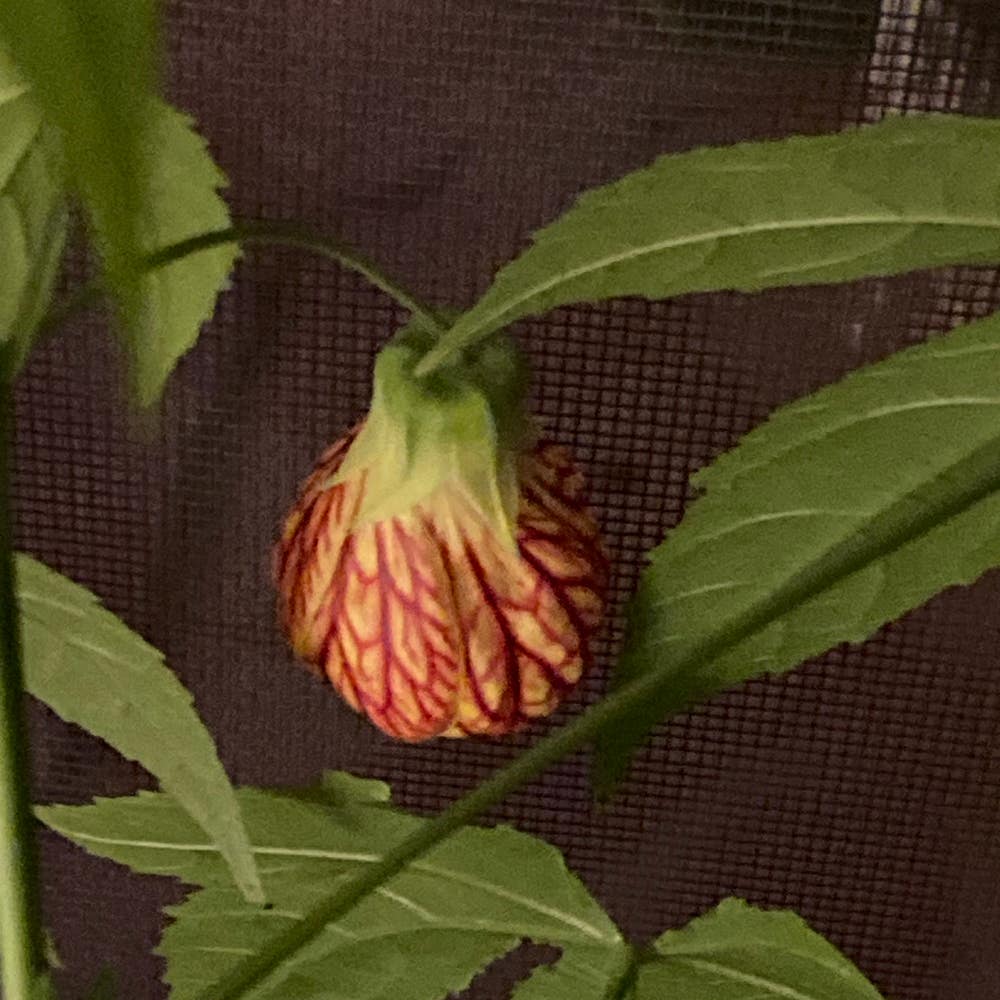
When and Where Should I Trim My Velvetleaf?
Abutilon theophrasti
By the Greg Editorial Team
Jun 18, 2024•4 min read
This article was created with the help of AI so we can cover more plants for you. May contain errors. See one? Report it here.
Snip your way to a thriving Velvetleaf 🌿—discover the perfect timing and techniques for pruning!
- Spring pruning promotes growth, avoid fall and winter for Velvetleaf.
- Trim leggy stems and damaged leaves for plant health and shape.
- Use precision tools; monitor recovery to fine-tune your Velvetleaf care.
Best Times to Give Velvetleaf a Haircut
🌸 Seasonal Timing for Pruning
Spring emerges as the champion season for pruning Velvetleaf. It's the time when your plant shakes off its winter slumber and gears up for a season of vigorous growth. Avoid the fall and winter months; your Velvetleaf isn't in the mood for a trim as it conserves energy for the colder days.
🚩 Signs Your Velvetleaf is Ready for Trimming
Keep an eye out for leggy stems and leaves that have seen better days. If your Velvetleaf starts looking more like an overgrown wilderness than a well-kept garden, it's time to grab those shears. Yellowing or damaged leaves are your plant's way of waving a white flag and signaling for help.

Where to Make the Cut
✂️ Target Areas for Pruning
Pruning your Velvetleaf isn't just about snipping willy-nilly; it's a strategic affair. Stem tips and lateral branches are your main targets. Go for the stem tips to control height and encourage bushier growth. Lateral branches, on the other hand, can be trimmed to maintain the plant's overall shape and health. Look for leggy growth or sparse areas; these are your cues to get cutting.
🌿 Pruning Patterns for Beauty
A well-pruned Velvetleaf is like a sculpture; every cut shapes its aesthetic. Aim for symmetry when you prune, creating a form that pleases the eye and complements your space. Don't just think about the plant's current look—envision its future growth. Prune with the foresight of a chess grandmaster, always two steps ahead. Remember, you're not just a gardener, you're an artist with shears.

Snip and Shape: Pruning Techniques for Velvetleaf
🌿 The Right Tools for the Job
Pruning your Velvetleaf is like giving it a spa treatment—it should feel good and look great afterward. Sharpness is non-negotiable. Dull blades mangle stems, leaving your plant vulnerable to disease. Opt for precision pruners or micro snips, which are perfect for the delicate work required. Make sure they're clean to avoid spreading any pathogens. It's not rocket science, but it's close.
🌱 Pruning Methods Tailored to Velvetleaf
Pinching
When your Velvetleaf starts looking like it's reaching for the sky with too much enthusiasm, it's time to pinch. This means nipping the terminal bud to encourage bushier growth. It's like telling your plant, "Hey, let's spread out, not just up."
Heading
If you're after denser foliage, go for the heading technique. This involves cutting just above a leaf node to send a signal to your plant to branch out. It's like a subtle hint that it's time to fill out.
Thinning
When your Velvetleaf's interior looks like it's plotting a rebellion due to overcrowding, thinning is your coup de grâce. Remove select branches to improve light penetration and air circulation. It's a strategic move for the greater good of your plant's kingdom.
Remember, pruning is an art form, and your Velvetleaf is the canvas. Trim with purpose and precision, and you'll have a masterpiece on your hands—or at least a very happy plant.

Keeping Velvetleaf Happy Post-Trim
🌱 Aftercare: Ensuring a Speedy Recovery
Pruning can leave your Velvetleaf feeling like it just left the barber's chair—refreshed but a bit vulnerable. Water your plant just enough to keep the soil moist, not drenched. Overwatering can be as harmful as neglect, especially when your plant is healing. Keep an eye on the lighting; indirect sunlight is the sweet spot for recovery. Too much direct sun can stress the fresh cuts.
🌿 Monitoring and Adjusting Your Approach
Your Velvetleaf will tell you everything you need to know—just listen. New growth is a high-five for your pruning skills. But if the leaves start throwing shade by drooping or yellowing, it's time to switch up your game plan. Adjust your watering schedule or reconsider the plant's position in relation to light sources. Remember, it's about nurturing, not just cutting back. Keep the dialogue with your plant open; it's a relationship that grows over time.
⚠️ Safety First
This content is for general information and may contain errors, omissions, or outdated details. It is not medical, veterinary advice, or an endorsement of therapeutic claims.
Always consult a qualified healthcare professional before using any plant as food, medicine, or supplement.
Never eat any plant (or feed one to pets) without confirming its identity with at least two trusted sources.
If you suspect poisoning, call Poison Control (800) 222-1222, the Pet Poison Helpline (800) 213-6680, or your local emergency service immediately.
Spotted an error? Please report it here.
Trim your Velvetleaf to perfection this spring ✂️ with Greg's personalized care reminders, ensuring each snip promotes your plant's lush, healthy growth.