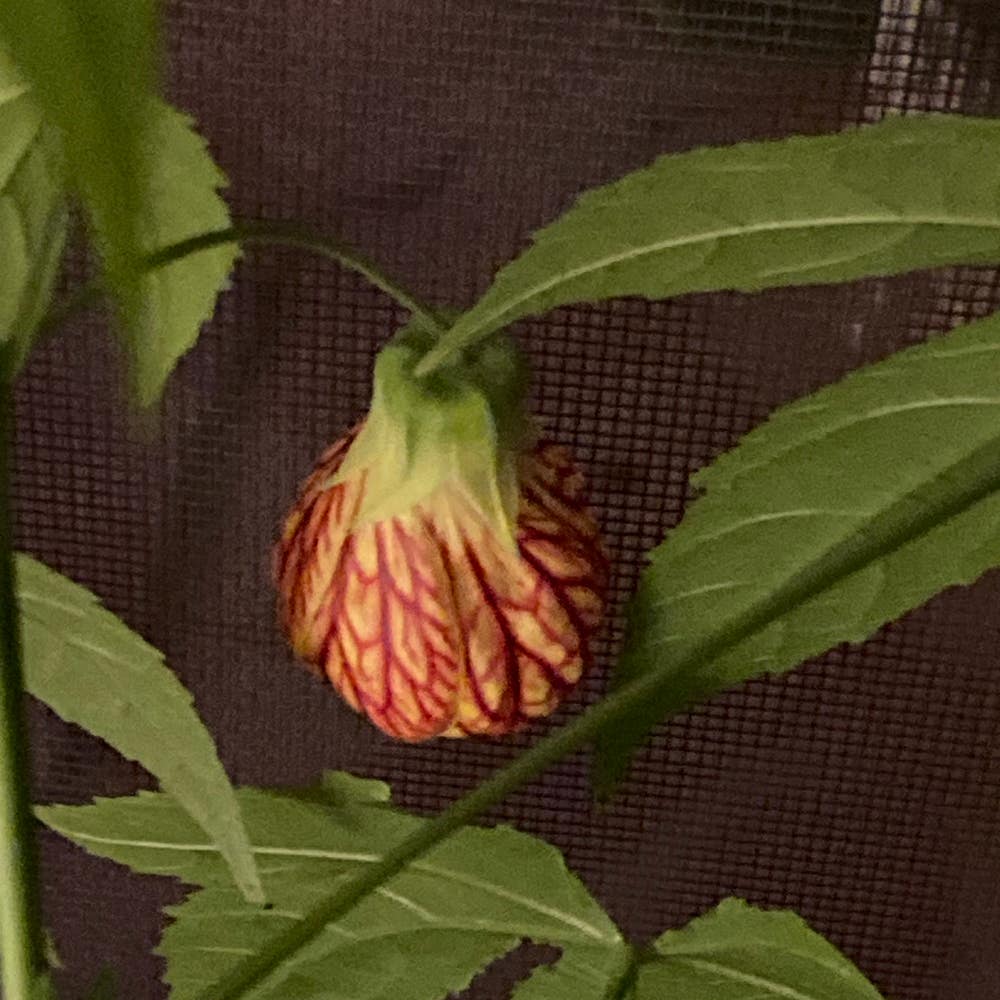
Velvetleaf Is Not a Perennial
Abutilon theophrasti
By the Greg Editorial Team
Sep 30, 2024•5 min read
This article was created with the help of AI so we can cover more plants for you. May contain errors. See one? Report it here.
Transform your garden with Velvetleaf's rapid growth and vibrant blooms this season! 🌱✨
- 🌱 Velvetleaf is an annual, completing its lifecycle in one growing season.
- 🌼 It blooms vibrant yellow flowers from mid-summer to early fall, lasting weeks.
- 🌞 Optimal growth requires sunny spots and well-drained soil for best results.
Characteristics of Velvetleaf as an Annual
🌱 Single-Season Lifecycle
Velvetleaf is a fascinating annual plant, completing its entire lifecycle in just one season. This includes stages of germination, growth, flowering, and ultimately, death.
The timeline from seed to maturity is remarkably swift. Typically, you can expect to see a fully developed plant within a single growing season.
⚡ Rapid Growth and Maturity
One of the standout features of Velvetleaf is its rapid growth. On average, it reaches maturity in about 60 to 90 days.
Several factors contribute to this quick turnaround, including optimal growing conditions and nutrient availability. When these elements align, Velvetleaf thrives.
🚫 Inability to Regrow from Roots
Unlike perennials, Velvetleaf's root system is designed for a single season. This annual nature means it cannot regrow from its roots once the season ends.
In contrast, perennials have root systems that allow them to survive and regrow year after year. Understanding this difference is crucial for effective garden management.
With this knowledge, gardeners can better plan their planting strategies and expectations for Velvetleaf. Next, we’ll explore the implications of its annual nature on growth and flowering patterns.
Implications of Velvetleaf's Annual Nature
🌼 Growth and Flowering Patterns
Velvetleaf typically blooms from mid-summer to early fall, showcasing vibrant yellow flowers. This flowering period lasts several weeks, depending on environmental conditions.
Sunlight, water, and soil quality significantly impact flowering. Adequate sunlight and moisture can enhance bloom duration, while poor conditions may shorten it.
⏳ Lifespan Compared to Perennials
The average lifespan of Velvetleaf is just one growing season, unlike many perennials that can thrive for years. Once the frost hits, Velvetleaf dies off, but it has the potential to re-seed itself for the next season.
This seasonal death means gardeners can expect a fresh start each year, but it also requires attention to re-seeding to maintain a consistent presence in the garden.
🌱 Advantages for Gardeners
One of the standout benefits of Velvetleaf is its rapid maturity, typically within 60-90 days. This allows gardeners to enjoy multiple plantings in a single season, maximizing garden productivity.
Additionally, the annual nature of Velvetleaf offers flexibility in garden planning. Gardeners can experiment with different designs and arrangements each year, keeping their landscapes dynamic and engaging.
With these insights, you can appreciate how Velvetleaf's annual lifecycle not only shapes its growth patterns but also offers unique advantages for your gardening endeavors. Next, let's explore some common misconceptions about this fascinating plant.
Common Misconceptions
❓ Misunderstandings About Velvetleaf Being a Perennial
Many gardeners mistakenly believe that Velvetleaf is a perennial plant. This misconception often arises from its vigorous growth and ability to self-seed, leading to the impression that it can thrive year after year.
Understanding plant classifications is crucial for effective gardening. Knowing that Velvetleaf is an annual helps gardeners make informed decisions about planting and maintenance.
🌱 Clarifying Self-Seeding Behavior
Velvetleaf exhibits self-seeding behavior, which can further confuse its classification. This means that while the original plant dies at the end of the season, it drops seeds that can germinate the following year.
Conditions such as adequate sunlight, moisture, and nutrient-rich soil promote self-seeding. Gardeners should be aware of this behavior to manage their gardens effectively, ensuring that Velvetleaf does not dominate the space or outcompete other plants.
Understanding these nuances allows for better planning and a more harmonious garden environment. As we move forward, let’s explore strategies for maximizing the growth of Velvetleaf throughout the season.
Strategies for Enjoying Velvetleaf
Tips for Maximizing Growth Throughout the Season 🌱
To get the most out of your Velvetleaf, start with optimal planting practices. Choose a sunny spot with well-drained soil, as these conditions promote vigorous growth.
Watering is crucial; aim for consistent moisture, especially during dry spells. A fertilization schedule that includes a balanced fertilizer every four to six weeks can significantly enhance growth.
Incorporating Velvetleaf into Garden Designs 🎨
Companion planting is a fantastic way to maximize your garden's potential. Pair Velvetleaf with other annuals like zinnias or marigolds for a vibrant display.
Consider using Velvetleaf for its striking height and lush foliage. It can serve as a backdrop for shorter plants, adding depth and texture to your garden design.
By thoughtfully integrating Velvetleaf into your garden, you can create a dynamic and visually appealing landscape that evolves with the seasons. This approach not only enhances aesthetics but also fosters a thriving ecosystem.
As you explore these strategies, you'll find that Velvetleaf can be a versatile and rewarding addition to your gardening endeavors. Next, let’s delve into how to combine Velvetleaf with perennials for even greater impact.
Combining Velvetleaf with Perennials
Best Practices for Garden Planning 🌱
Integrating Velvetleaf with perennial plants can create a dynamic garden that offers seasonal interest. Start by selecting perennials that bloom at different times, allowing Velvetleaf's vibrant foliage and flowers to fill gaps as other plants fade.
Consider spacing carefully; Velvetleaf can grow quite large. Ensure that it has enough room to thrive without overshadowing shorter perennials. Additionally, pay attention to sunlight requirements. Velvetleaf prefers full sun, so position it where it can soak up those rays while complementing shade-loving perennials.
Enhancing Garden Aesthetics with Annuals and Perennials 🎨
The visual impact of combining Velvetleaf with perennials is striking. The lush green leaves and bright yellow flowers of Velvetleaf can contrast beautifully with the varied textures and colors of perennial plants.
Seasonal transitions are another advantage. As Velvetleaf matures and then dies off, its self-seeding nature can ensure new plants emerge, providing continuity. This cycle allows for a garden that evolves, keeping it fresh and engaging throughout the year.
By thoughtfully combining Velvetleaf with perennials, you can create a vibrant, ever-changing landscape that delights the senses and showcases the beauty of both annuals and perennials.
⚠️ Safety First
This content is for general information and may contain errors, omissions, or outdated details. It is not medical, veterinary advice, or an endorsement of therapeutic claims.
Always consult a qualified healthcare professional before using any plant as food, medicine, or supplement.
Never eat any plant (or feed one to pets) without confirming its identity with at least two trusted sources.
If you suspect poisoning, call Poison Control (800) 222-1222, the Pet Poison Helpline (800) 213-6680, or your local emergency service immediately.
Spotted an error? Please report it here.
Embrace the beauty of Velvetleaf's annual blooms 🌼 and let Greg guide you with tailored watering reminders and care tips to maximize your garden's potential each season!