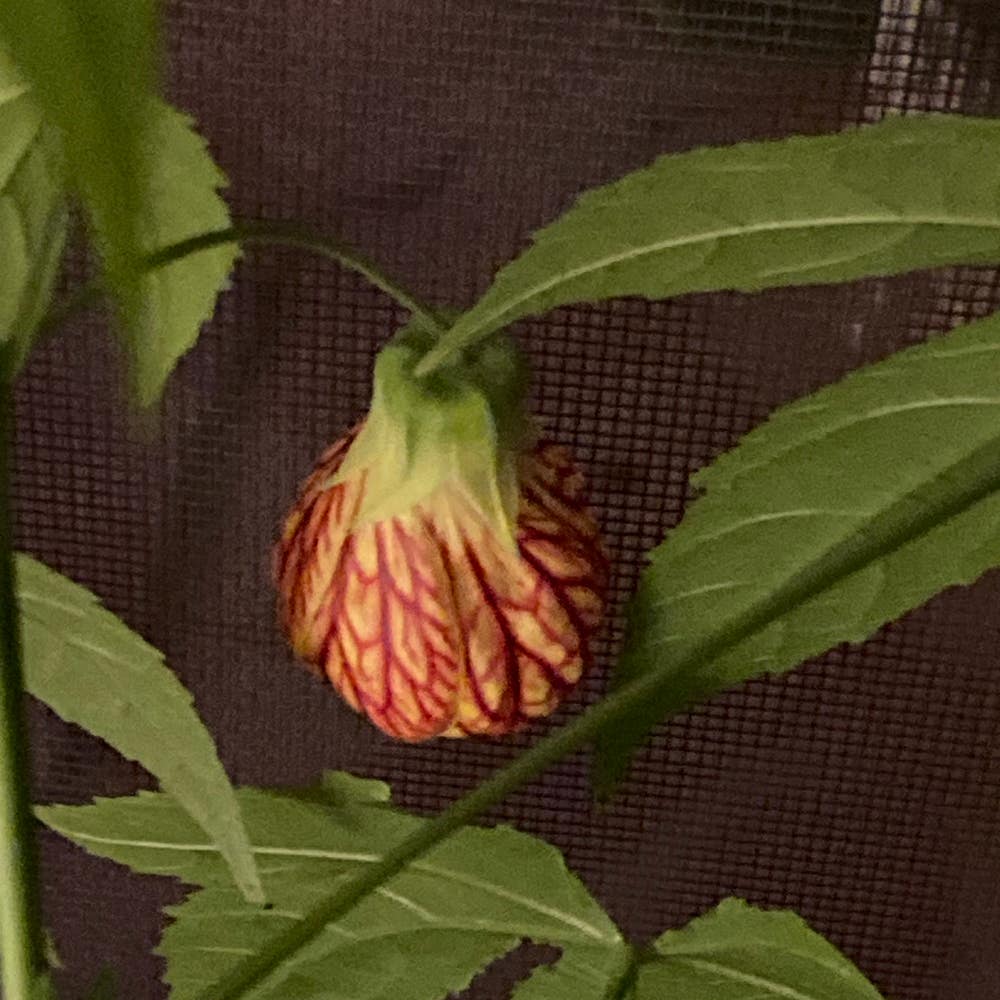
What Temperature Does My Velvetleaf Need?
Abutilon theophrasti
By the Greg Editorial Team
Jun 18, 2024•4 min read
This article was created with the help of AI so we can cover more plants for you. May contain errors. See one? Report it here.
Discover the secret to a lush Velvetleaf by keeping it in its happy temperature zone! 🌡️🍃
- 65°F to 75°F is ideal for Velvetleaf's health and happiness.
- 🌡️ Watch for stress signs like wilting and leaf curling.
- Balance humidity and temperature to avoid Velvetleaf stress.
Spotting When Your Velvetleaf Feels the Heat
🌞 Signs of Too Much Sun or Too Little Warmth
Velvetleaf is no drama queen, but wilting is its way of saying, "I've had enough!" When the sun's relentless, leaves might sport sunburn spots, those reddish badges of overexposure. If the leaves are curling up, it's not trying to be cute; it's a desperate attempt to conserve moisture. Stunted growth? That's the plant's silent protest against temperature extremes.
🥶 Why Your Velvetleaf Might Be Stressed
Cold drafts are the silent saboteurs of Velvetleaf's tropical vibe, while scorching heat is the overbearing guest that just won't leave. And those temperature swings? They're like unexpected plot twists that leave your plant reeling. Keep an eye out for lopsided growth, a sure sign that one side is getting the cold shoulder. If the leaves are curling more than a weightlifter's biceps, it's time to turn up the thermostat.

Keeping Your Velvetleaf in the Comfort Zone
🌡️ The Sweet Spot: Ideal Temperature Range
Velvetleaf thrives in a Goldilocks zone—not too hot, not too cold. 65°F to 75°F is where it hits its sweet spot. Just right for those lush, velvety leaves to flourish without a hint of stress.
What Happens Outside the Comfort Zone?
Step outside this range, and you're rolling the dice with your Velvetleaf's well-being. Too cold, and you might as well be telling it to brace for winter all year round. Too hot, and you're baking your plant's spirits away. It's a delicate balance, one that requires vigilance and a steady hand on the thermostat.

Practical Tips for Temperature Control
🌡️ Indoor Climate Management
Keep it steady: Velvetleaf thrives between 65°F and 75°F. Use a digital thermometer to monitor the temperature, ensuring it remains consistent.
Avoid drafts: Place your Velvetleaf away from windows that might let in a cold breeze or excessive heat. Thermal curtains can be a plant's knight against temperature swings.
Humidity matters: Pair temperature control with humidity management. A humidifier or a pebble tray with water can prevent dry air from crisping those precious leaves.
Sunlight smarts: Bright, indirect light is key. Direct sun can scorch, while too little light stunts growth. Position your Velvetleaf accordingly.
🌿 Outdoor Velvetleaf Care
Seasonal savvy: As seasons shift, so should your Velvetleaf's location. Keep an eye on the forecast and be ready to move your plant to a sheltered spot if temperatures spike or plummet.
Sunscreen for plants: Use shade cloth to protect your Velvetleaf from harsh sun. It's like applying SPF to prevent leaf burn.
Mulch magic: A layer of mulch keeps soil temperature stable and retains moisture. Think of it as a cozy blanket for your plant's roots.
Bring 'em in: When the mercury drops, it's time to move your Velvetleaf indoors. Even a plant with a love for the outdoors has its limits.
Remember, your Velvetleaf isn't just another green ornament—it's a living, breathing entity that demands your attention and a stable environment. Keep it warm, keep it comfy, and watch it flourish.

When Humidity Meets Temperature
🌡️ The Humidity-Temperature Tango
Temperature and humidity are like a dynamic duo in the plant world, each influencing the other's effects on your Velvetleaf. Warm air acts like a sponge, soaking up moisture, which means that even with the same humidity levels, a room at 80°F feels more humid than one at 60°F. For Velvetleaf, the goal is to maintain a consistent temperature while balancing the humidity to match.
🌿 Group Therapy for Plants
Creating a microclimate by grouping plants together can boost humidity naturally. It's like a communal gathering where each plant contributes to the overall moisture level of the environment, benefiting all.
💧 Humidity's Role
Velvetleaf thrives when the air has just the right amount of moisture. Too dry, and you'll notice the leaves losing their vibrancy; too moist, and you're setting the stage for a fungal horror show. Aim for a humidity level that keeps the leaves lush without turning your plant into a mold magnet.
🌬️ Keeping It Balanced
Use tools like humidifiers or dehumidifiers to manage your indoor garden's climate. They're the MVPs of moisture control, allowing you to fine-tune the environment to avoid the extremes that could stress your Velvetleaf.
🚨 Quick Tips
Keep a hygrometer handy to monitor humidity levels—because when it comes to plant care, guessing just doesn't cut it. When temperatures rise, watch for increased transpiration and adjust humidity to prevent dehydration. Conversely, when temperatures fall, avoid creating a damp, chilly atmosphere that can harm your plant's roots.
⚠️ Safety First
This content is for general information and may contain errors, omissions, or outdated details. It is not medical, veterinary advice, or an endorsement of therapeutic claims.
Always consult a qualified healthcare professional before using any plant as food, medicine, or supplement.
Never eat any plant (or feed one to pets) without confirming its identity with at least two trusted sources.
If you suspect poisoning, call Poison Control (800) 222-1222, the Pet Poison Helpline (800) 213-6680, or your local emergency service immediately.
Spotted an error? Please report it here.
Ensure your Velvetleaf enjoys the ideal climate 🌿 with Greg's custom reminders and community advice for steady temperatures and perfect humidity.