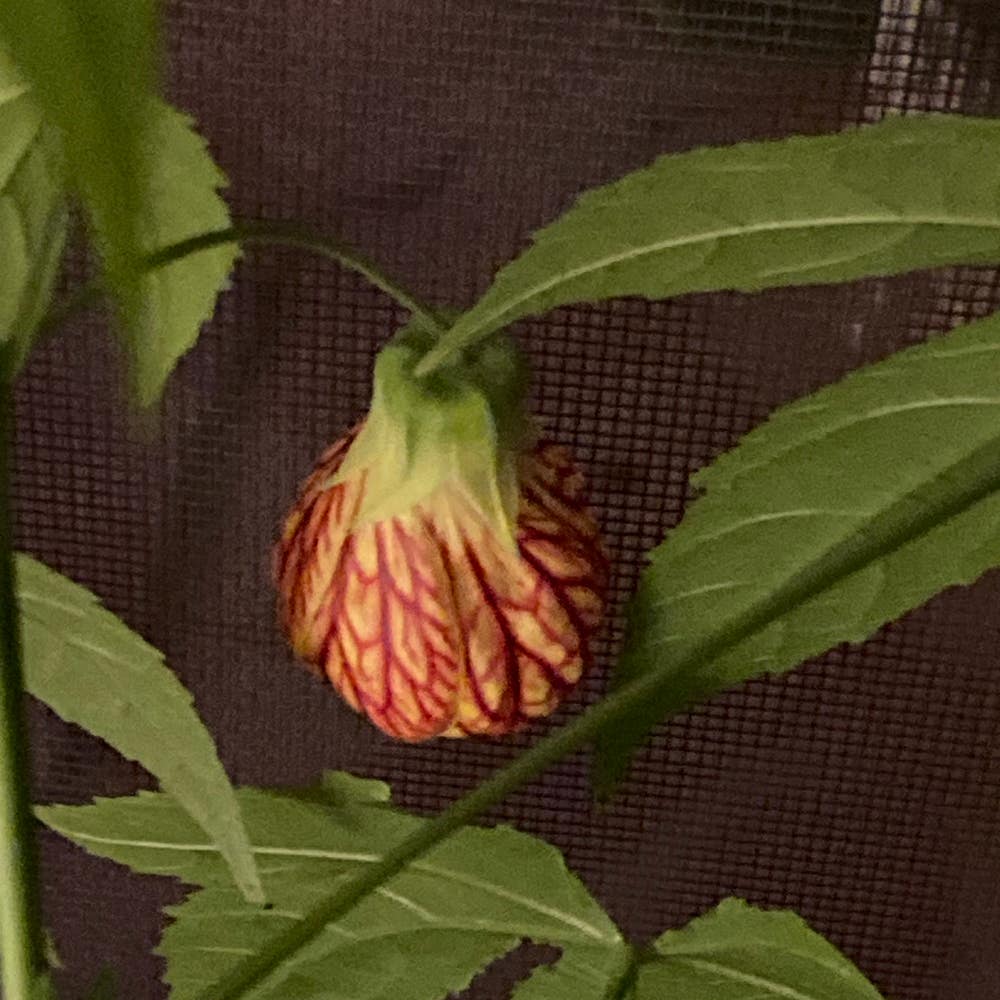
What Are The Bugs on My Velvetleaf?
Abutilon theophrasti
By the Greg Editorial Team
Jun 18, 2024•3 min read
This article was created with the help of AI so we can cover more plants for you. May contain errors. See one? Report it here.
Shield your Velvetleaf from pesky invaders 🐛 with these proven pest-fighting tactics! 🛡️
- 🕷️ Spider mites and scale insects: Control with humidity and sprays.
- 🚫 Prevent pests: Adjust watering, humidity, and use companion planting.
- 🧐 Regular inspections: Catch and treat pests early with organic remedies.
Meet the Usual Suspects: Common Velvetleaf Pests
🕷️ Spider Mites: The Sneaky Sap-Suckers
Tiny webs and leaf speckling are the hallmarks of a spider mite invasion. These pests are nearly invisible but their damage is not.
Combat strategies range from releasing predatory mites to applying homemade sprays. Consistency is key.
Maintain high humidity and quarantine new plants to prevent spider mite spread.
🦟 Scale: The Sticky Bandits
Scale insects masquerade as bumps on leaves and stems. Their presence can lead to leaf yellowing and drop.
Scraping off the scales or using insecticidal sprays can be effective. Regular inspections are crucial.
Isolation of infested plants helps protect your Velvetleaf from these sticky pests.
🦟 Fungus Gnats and Fruit Flies: The Soil Lurkers
Adult flies and larvae in the soil signal a gnat infestation. Fruit flies hover around decaying matter.
Dry out the soil and use sticky traps to combat these pests. Proper watering and clean compost can prevent future issues.
🐛 Mealybugs: The Fluffy Fiends
Clusters of white fluff and stressed plants indicate mealybug presence. These pests suck the life out of your Velvetleaf.
Use alcohol swabs or oil treatments for a mealybug meltdown. Vigilance in plant care is essential to keep them at bay.
Other Uninvited Guests
Aphids are green and greedy, leaving a trail of destruction. Natural remedies can send them packing.
Thrips are slender and sneaky, but they can't stand up to thorough pest control tactics.
Whiteflies look ghostly but are all too real. They dislike a strong blast of water or the application of insecticidal soap.

Proactive Pest Prevention: A Velvetleaf Shield
Prevention is key when it comes to pests. Your Velvetleaf doesn't have to be a bug magnet. Start by keeping the environment clean; think of it as a bouncer at the door to pest parties. Remove dead leaves and debris, and ensure good air circulation—stagnant air is like a five-star hotel for pests.
🎨 The Art of Prevention
Keep your Velvetleaf healthy; a stressed plant sends out the bat signal to bugs. Regular inspections are like neighborhood watch for your green friends. Catching pests early is like diffusing a bomb before it goes off.
🌍 Environmental Control
Adjusting conditions can deter pests. Overwatering is a pest's paradise, so keep that watering can in check. Humidity and airflow aren't just for show—they're tactical moves in the pest prevention playbook.
👫 The Buddy System
Companion planting is like having allies in the trenches. Beneficial insects are nature's hitmen—ladybugs, predatory mites, and lacewings are your plant's best friends. Introduce them, and they'll take care of the pests for you. Remember, biological controls are the good guys.
Organic remedies like neem oil and insecticidal soaps can act as a deterrent. They're like choosing salad over fast food for your plant's health. But if you must go nuclear, use chemical treatments sparingly and wisely—always read the label.
Lastly, quarantine new plants. It's like a background check before you let someone into your home. This step ensures they're not carrying any unwanted guests that could spread to your Velvetleaf.


⚠️ Safety First
This content is for general information and may contain errors, omissions, or outdated details. It is not medical, veterinary advice, or an endorsement of therapeutic claims.
Always consult a qualified healthcare professional before using any plant as food, medicine, or supplement.
Never eat any plant (or feed one to pets) without confirming its identity with at least two trusted sources.
If you suspect poisoning, call Poison Control (800) 222-1222, the Pet Poison Helpline (800) 213-6680, or your local emergency service immediately.
Spotted an error? Please report it here.
Keep your velvetleaf thriving 🌿 and pest-free with Greg's environmental monitoring and tailored care reminders that help you prevent those pesky bugs before they start.