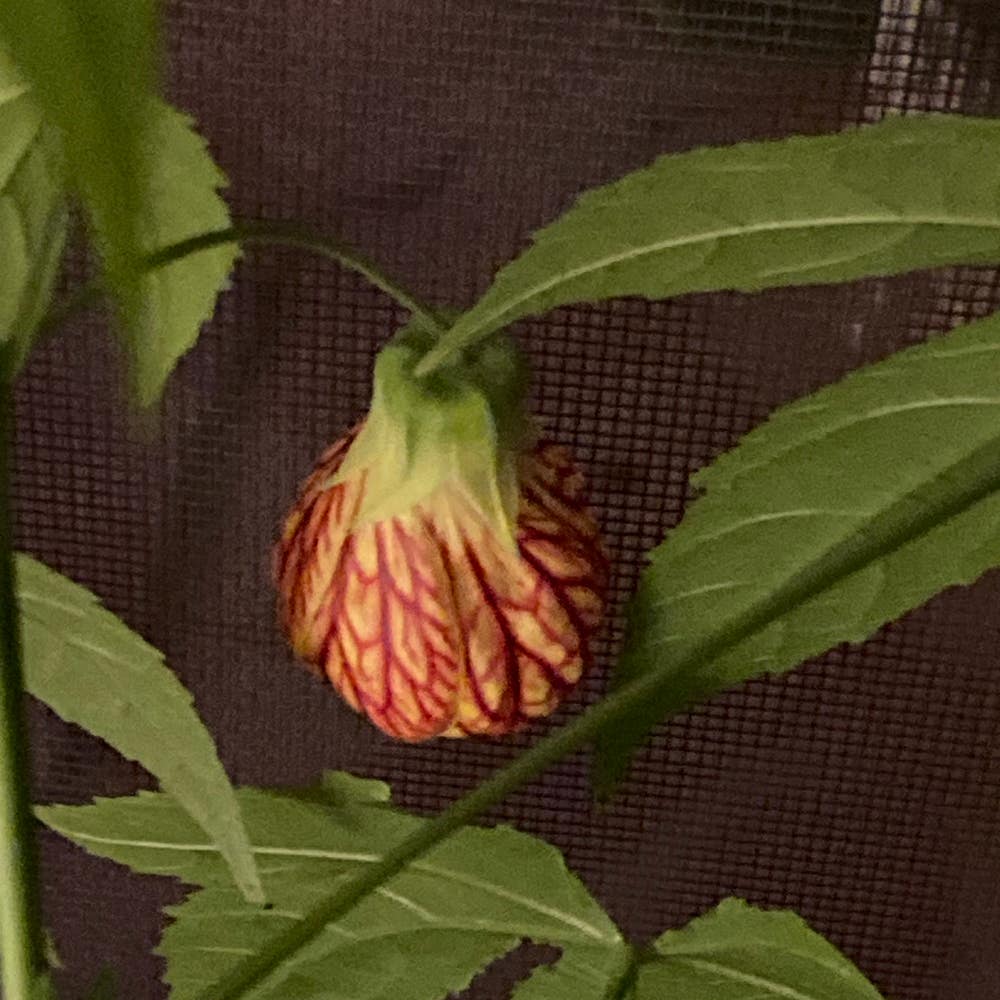
Best Potting Soil Mix for Velvetleaf
Abutilon theophrasti
By the Greg Editorial Team
Jun 18, 2024•5 min read
This article was created with the help of AI so we can cover more plants for you. May contain errors. See one? Report it here.
Discover the secret to a flourishing Velvetleaf with this bespoke soil mix recipe. 🌱✨
- Waterlogged soil harms Velvetleaf, adjust drainage and watering to prevent drooping and yellowing.
- Foul odors mean trouble: Improve airflow and repot with fresh soil if needed.
- DIY or store-bought soil? Ensure good drainage, aeration, and correct pH balance.
Spotting Trouble: Signs Your Velvetleaf Soil is Unhappy
💧 When Water Won't Leave: Dealing with Waterlogged Soil
Velvetleaf's dislike for soggy feet is no secret. Waterlogged soil is a silent root assassin. If the soil clings like a wet blanket, it's a red flag. Your plant's leaves may droop or turn yellow, signaling distress. To fix this, ensure your pot has adequate drainage and adjust your watering schedule. If the roots are already rotting, it's time for some tough love—trim the damaged parts and repot in a well-draining mix.
👃 Sniff Test Fail: Recognizing and Fixing Foul Odors and Mold
A foul smell from your soil is like a bad review for a restaurant—it means something's off. Mold or a musty odor indicates excessive moisture and poor air circulation. Cut back on watering and increase airflow around your plant. If the mold is stubborn, repot with fresh, sterile soil, and keep it on the drier side to prevent a recurrence.
🐜 Uninvited Guests: Identifying Pests in the Soil
Pests in the soil are like party crashers—unwanted and harmful. Be vigilant for signs of infestation, such as visible insects or webbing. These freeloaders can wreak havoc on your Velvetleaf's roots. Show them the door with insecticidal soap or neem oil. Regular inspections are key to catching these critters before they turn into a full-blown invasion.
The Perfect Home: Crafting Your Velvetleaf's Ideal Soil Mix
🏗️ The Foundation: Choosing the Right Base Materials
Velvetleaf, like any self-respecting plant, demands a solid foundation for its roots. Kick things off with a standard potting soil; it's the bread and butter of your mix. Then, channel your inner alchemist and add perlite and coarse sand—one part each should do the trick. This trio is your ticket to a soil that's hospitable, not a swamp.
🛍️ The Right Fluff: Adjusting Texture and Aeration
Texture is a big deal—it's the difference between a root spa and a root prison. To get the fluff factor just right, consider a sprinkle of pine bark fines. They're like tiny life rafts in a sea of soil, keeping air pockets afloat. Aeration is non-negotiable; roots need to breathe, not gasp for air.
💧 pH and Nutrients: Fine-Tuning for Velvetleaf Bliss
Now, for the pH balancing act: sphagnum peat moss is your friend here. It's like a thermostat for moisture and acidity, keeping conditions ideal for your velvetleaf's picky tastes. Remember, you're not just mixing soil; you're curating an environment. It's less about throwing in the kitchen sink and more about crafting a nutrient-rich sanctuary. Keep it rich, but don't spoil your plant with overindulgence.
Store-Bought vs. Homemade: Selecting the Best Soil Mix
🏷️ What to Look for on the Label: Decoding Commercial Soil Mixes
When eyeing commercial soil mixes, think of the label as your cheat sheet. Drainage is key, so perlite or sand should be non-negotiables on the ingredient list. Organic matter? Yes, please. It's the buffet of nutrients your Velvetleaf craves. Look for compost or worm castings, and don't overlook the pH balance; limestone is your friend here. A lighter mix hints at good aeration, so unless you're training for a strongman competition, skip the heavy bags.
🎨 The Blend at Home: Tips for Mixing Your Own Velvetleaf Paradise
Rolling up your sleeves for a DIY mix? Get ready to play soil mix maestro. Your Velvetleaf will sing with a mix of one part potting soil, one part coarse sand, and one part perlite or vermiculite. This trio champions drainage and aeration, hitting the sweet spot for your plant's roots. While it might be lighter on your wallet, remember, it's heavier on your time. But hey, who said quality time with your soil wasn't fun?
Keeping It Great: Maintaining Soil Quality Over Time
🌱 Routine Check-ups: Monitoring Soil Health
Velvetleaf's soil is alive and kicking, but it needs regular check-ups to stay that way. Monthly inspections are your first line of defense. If the soil feels more like a swamp or smells like it's fermenting, it's time to take action. Keep an eye out for clumps that are more stubborn than a mule—these are signs your soil needs help.
Visual inspections can reveal a lot about soil health. Look for a balance between moisture retention and drainage. The soil should be loose and rich, not compacted like concrete. If it's holding water like a sponge, consider amending it to improve aeration.
🌿 Refresh and Revitalize: When to Change or Amend Your Soil
When your Velvetleaf's soil starts to look as tired as a marathon runner at the finish line, it's time to revitalize. A thin layer of worm castings can work wonders, boosting nutrients without going overboard. Keep the pH steady; Velvetleaf doesn't appreciate surprises. Use a home testing kit to stay on top of it, and adjust with lime or sulfur as needed.
Compost is your secret weapon. It's like a spa treatment for your soil, enriching it with organic matter and keeping it healthy. But remember, moderation is key—too much of a good thing can lead to nutrient overload.
If pests decide to crash the party, show them the door quickly. Adjust your care routine with the seasons—Velvetleaf's needs change just like your wardrobe does.
Lastly, don't forget the roots. They're the foundation of your plant's health. If they're not thriving, neither will your Velvetleaf. Quarterly checks can help you spot any issues early on, ensuring your green buddy stays as perky as a morning talk show host.
⚠️ Safety First
This content is for general information and may contain errors, omissions, or outdated details. It is not medical, veterinary advice, or an endorsement of therapeutic claims.
Always consult a qualified healthcare professional before using any plant as food, medicine, or supplement.
Never eat any plant (or feed one to pets) without confirming its identity with at least two trusted sources.
If you suspect poisoning, call Poison Control (800) 222-1222, the Pet Poison Helpline (800) 213-6680, or your local emergency service immediately.
Spotted an error? Please report it here.
Create the ideal home for your Velvetleaf with a custom potting mix 🌿 and let Greg's personalized care reminders keep your soil and plant in top shape.